Dear Readers,
Good evening, and welcome to Capital Letter, a guide to how to live life in London, right now. We’ve got a theatrical special today. Last week, the editor was so excited about this section that he spilled a bottle of San Pellegrino over his laptop – we are with you a week later as a result.
If you’d like to contribute to this newsletter or think there’s something we should cover, please do get in touch with us at editorial@the-fence.com. We will take it from there.
Thank you to everyone who has become a paid subscriber. You are very generous indeed. Please do join the merry throng, and do remember in mind that as this mail-out expands, it will be weekly and eventually paywalled.
Let’s kick things off with something you will have read about elsewhere, though.
At The Royal Court
Robert Icke’s dramatisation of the life and death of Raoul Moat was the most-hyped new production of the year. At last night’s performance, there were empty seats. The reviews have been mixed.
Icke, who is regarded as the brightest new force in British theatre, has aimed high, arguably too high. The central performance from Samuel Edward-Cook convinces: he commands the stage with globular, phallic energy. Not everything comes off, but this is bold, exciting work, freighted with cinematic crackle, and much more inventive and taut than Adolescence, a show that shares the same subject.
We hope that this play transfers to the West End. In the meantime, and in this current climate, audiences and critics alike must support work as brave as this.
Ring Around The Arcola
Speaking of quality, The Arcola’s spring/summer season has been superb so far and its current show, an excellent and touching reimagining of Simon Stephen’s classic play Heisenberg, is no exception. We are, however, most excited for what is coming up – two shows directed by Femi Elufowoju Jr, a British-Nigerian director of immense quality. The first, The Secret Lives of Baba Segi’s Wives, has already played and was very well reviewed, so it’s a good chance to catch it again for those who missed out. The second, 54.60 Africa, is, if anything, more exciting - a world premiere based on Elufowoju Jr’s travels to every one of Africa’s 54 nations before he was 60, hence the name. Both shows utilise traditional storytelling techniques, live music, dance, and acting – they will be a lot of fun, and pack a serious Punch, unlike certain other shows that word reminds us of… The Wives are on from 26 April to 31 May, and 54.60 Africa starts on 14 June.
Too Many Fosse MCs
Heading west, The Coronet Theatre is not hidden down a back alley or below an underpass. Yet it is all too often overlooked as a destination for good theatre in London. Founded in 1898, it became a loved and then neglected cinema. Since 2014, it has reinvented itself as a theatre, producing almost exclusively international productions, many of which make their only UK stop at this exact theatre. It has put on excellent versions of Ibsen, and most recently Euripides Laskaridis’ bizarre and brilliant RELIC. Next on is a piece of theatre by Nobel Prize-winner Jon Fosse called Einkvan.
As any good punter knows, however, what’s most important in a theatre is not what’s on the stage, but whether the bar is any good. The Coronet doesn’t disappoint, not so much for its stocks, but because of the room itself. Hidden at the end of a rabbit warren of corridors, it is a candlelit and heavily carpeted interior with beautiful ornate tables and a few vast, almost Ottoman poufs. The bar establishes a theme for the building as a whole. Everything is old, ornate, very beautiful, and slightly weird. It's well worth the trip to Notting Hill.
Silicon Roundabout
In the food world, lots of scenesters seem to be very excited about the launch of One Club Row, a restaurant that’s just opened. It serves burgers and martinis, and promises the return of ‘New York cool’ to London. Some people are even saying that it’s the ‘new Devonshire’, which sounds about right: a passé concept, opened by three well-connected restaurateurs, slap bang in a prime location, all to make uncountable millions.
Grand Gothic Sinfulness
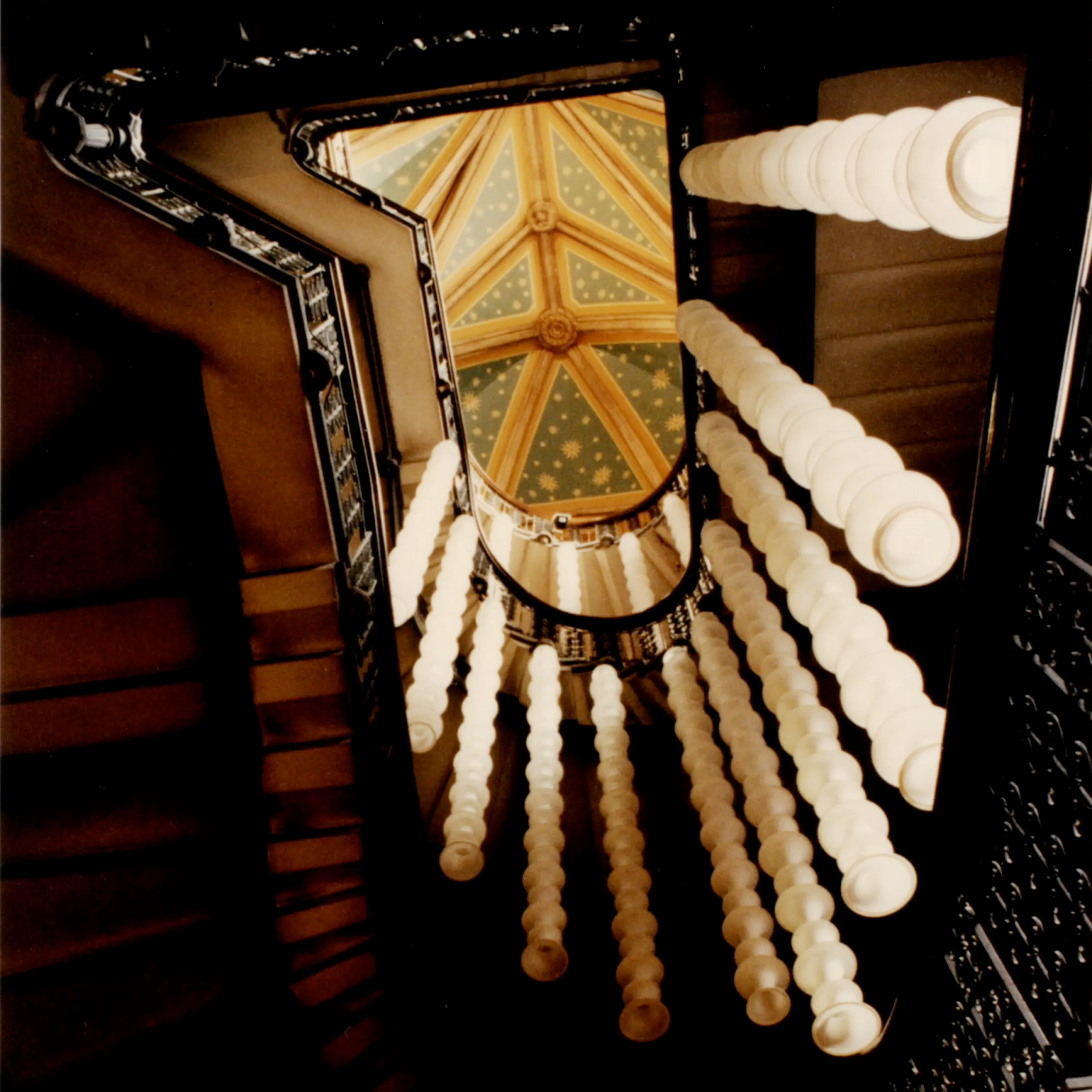
For a variety of reasons, most of them architectural, the Midland Grand is the dream spot for an outrageous new effort to reanimate London’s haute cuisine.
Well, we say new – you might’ve seen the Midland Grand before. Since the completion of an extravagant refurb in 2023, this vaulting, gothic spot has been attracting wet-eyed tourists and Eurostar hedgies thrashing the company card before the 2:27 to Brussels comes in. The restaurant’s old iteration, led by Allegra’s Patrick Powell, did plenty well for itself. But the room, the building, the scale of it all just calls for something a little more… Hollywood. Introducing the new man behind the stove: California’s own Victor Garvey, of Soho’s one Michelin-starred SO|LA.
In an imperiously raised semi-circular booth, conveniently near the bar, we went headlong into the Grand’s tasting menu. A trio of canapes – tomato sorbet with a gazpacho consommé, Cèvennes onions with olive praline and miso, pointed pepper with mackerel mousseline – were all gorgeously presented, ramping up the intensity in sequence, and slapping us about the chops in the manner intended.
A course of yellowtail sashimi, avocado and shimeji was very familiar – it’s a dish borrowed from SO|LA, and while still a total banger, it was lightly disappointing to see it arrive as a placeholder in the new space. Maybe that’s a gap in the menu they’re still trying to fill in the development kitchen, but as lovely as it is, it stood out as decidedly SO|LA, and insufficiently Grand.
With the lobster dish, the bombast arrived, lighting up the table like an errant ciggy in a firework factory. A lemongrass demiglace (say that out loud ten times), thick as crude oil, spooling along the side of supremely soft lobster, lightly pickled carrots and a stubby seafood boudin – hachi-machi, here we go. This kind of food is what makes Garvey so interesting; maximal, boisterous flavours deployed with unusual finesse, like a culinary spring-loaded boxing glove. Worth the price of admission alone.
After the fireworks came the lamb: a cutlet off the rack, pink and punctured with a shotgun shell of kalamata tapenade, then dressed with yet another impossibly glossy jus, this time studded through with bone marrow. This was a return to the classical, the kind of food that really ought to be served in rooms like this, with sauces stewed in kitchens that have the adequate ventilation for the harsh realities of boiling baby sheep bones for 24 straight hours. Like any great lamb dish, it came with a palpable pang of sinfulness, real sinfulness – there’s a reason we don’t let most of these animals grow up to be mutton.
Dessert was not quite a disappointment, but not completely removed from afterthought territory – a familiar malady for even the brightest and best. It was an opera cake deconstruction: coffee blobs, chocolate blobs, a slightly spiced tuile. It was nice. But for a menu that had previously been all bombast, it was a muted closer, and a missed opportunity for one last bit of magic. Heston Blumenthal has his faults, Lord how we know that now, but there’s a time for fizzes, foams and floats, and it’s right at the end, with the final memory of the night.
Garvey has started well out of the gate at the Midland Grand, and it’s certainly one of the best new fine dining additions to the capital in a while. And there are flashes of what makes him such an exciting talent, the ostentatious flavours that challenge your perceptions of what haute cuisine can be; things that are indelicate and fiery, sour and fun. If Garvey fully lets loose, and allows his culinary Mr Hyde to emerge unfettered, respectability be damned, then the Midland Grand has a chance at being one of the most exciting restaurants in the country. Unleash the beast!
The School of Kiff
You might not have heard the late painter Ken Kiff’s memorably alliterative name (not to be confused with the Eminem alter-ego), but you will have seen art that emerged from his orbit. A legendary tutor, if he didn’t teach your favourite British painter, then he probably taught whoever taught them. He is the reason why Tracey Emin studied at the Royal College. Indeed, if his loose figurative style seems hackneyed today, it’s because of the legions of artists now working directly or indirectly within the School of Kiff.
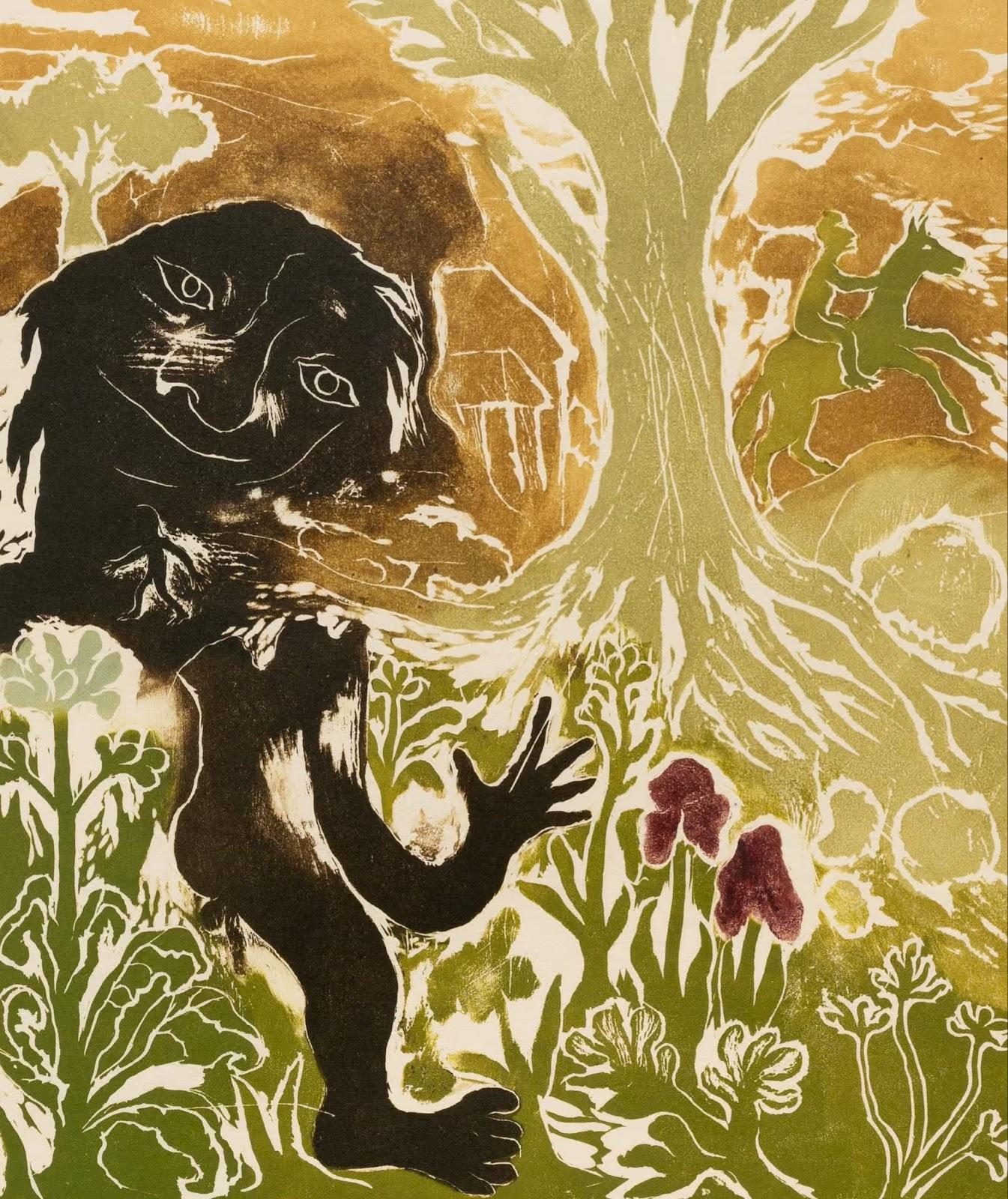
Hales Gallery in Shoreditch is currently hung with his paintings and prints from the early 90s, depicting sublime landscapes somewhere between dream and nightmare. Many feature the ‘Little Man’: a perpetually wandering, round-headed and bug-eyed figure. Perhaps he’s a stand-in for the Kiffster himself, who Emin lovingly described as a ‘smallish man with huge eyes’.
They were made during an 18-month residency for which Kiff was given a studio inside and 24-hour access to the National Gallery. A confident colourist unafraid to look a gift horse in the mouth, he thought the collection dreary. To his eye the curators had, by way of 700 years of Western European masterpieces, created a museum of beiges and browns.
Today, these paintings might look like cracking examples of what basically every other artist in this city is doing. But it’s worth remembering how quietly radical they were set against the London art scene of the early 90s, when a cohort of Young British Upstarts (some of whom Kiff himself had taught) stirred an insatiable appetite for loud-and-proud conceptualism. While Kiff was locked away in the National, Damien Hirst debuted his formaldehyde aquariums. By the time he was released, he had been nominated for The Turner Prize.
The British art market’s present return to painting might be a recession indicator, but at least it means that our favourite Little Man is finally getting his due.
Meditate on Bass
London’s nightlife is in a sorry state, and there’s no point pretending otherwise. But if you go deep into west London this weekend, you’ll find a uniquely British subculture gaining momentum. At Brook House football club tomorrow, there’s a celebration of the life of Jah Shaka from the Roots Youth Sound System. Come for the ribcage-shattering bass and the life-affirming sense of community.
Jonathan Jones’ White Wine Breath
Returning to galleryland: does The Turner Prize still matter? In an art market where value is constituted by cartelism and insider trading, waxing philosophical about the worth of a £25,000 award feels slightly misguided.
Anyway, one of this year’s Good Artists, Rene Matić, tenderly photographs the sharp end of the UK’s creative world. Their current exhibition, Idols Lovers Mothers Friends, is replete with poignant and incisive portraits and still lifes from Matić’s world. Their lens loads each subject with meaning. Everything vibrates with mysterious emotional resonance.
Much has been made of Peter Hujar’s recent exhibition at Raven Row (the Guardian alone wrote about it four times). It sensitively documented the now-fabled 1970s queer art scene in New York. Matić does something similar for the UK of the present. Hopefully, they get their flowers for it while they’re still alive.
Whether you care about the Turner debate or not (we suggest the latter), Matić’s show is a corker that we recommend running to Mayfair to see it before it closes in June.
The Donjon Master
An entirely London-focused publication urging its readers to visit the Tower of London is slightly ridiculous. But by the middle of May, the Tower will be entirely subsumed by tourists, and you will have missed your opportunity to charge around the capital’s most enjoyable attraction with your friends or family. It will be unnavigable until November.
Visit on a Tuesday or a Wednesday, and bathe in the antic strangeness of the place, a perfectly preserved 11th-century palace; a repository for some of the most staggering objects in Western civilization; a Thameside Guantanamo ruled by the camp reactionaries who comprise the Beefeaters and a castellated village with 150 or so residents living within its walls.
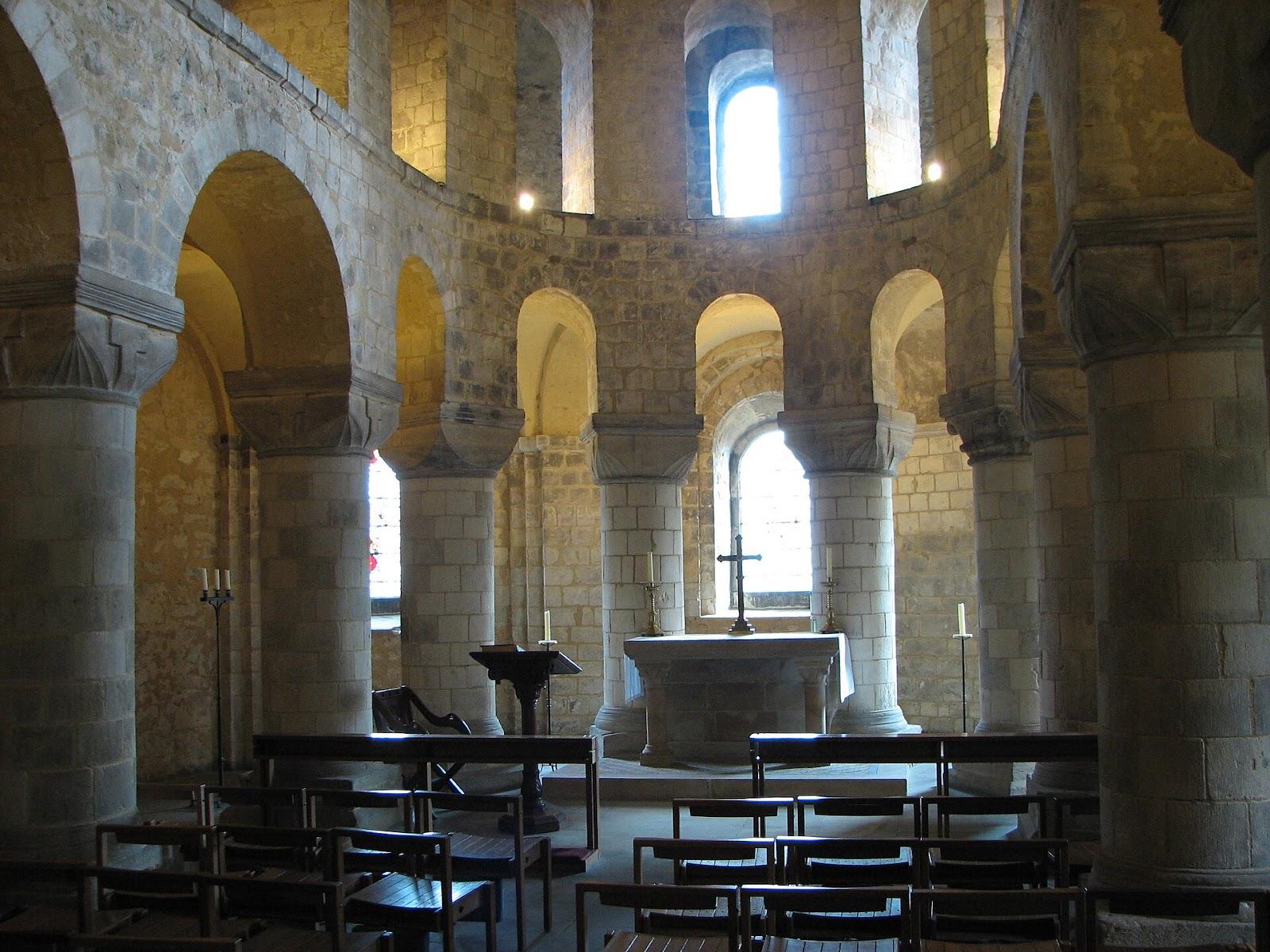
There’s St Peter ad Vincula, one of the more tragic places in the British Isles, the resting place of Anne Boleyn and Lady Jane Grey (among others) and there’s the Fusilier Museum, an active barracks with an officer’s mess and a bust of Adolf Hitler. Climb the walls and peer down at the old soldiers and sailors who make their home in the casemates of the outer ward (and spot the famous pub), before climbing the White Tower and pausing at the Chapel of St John, built for William the Conqueror, and unchanged for almost a millennium.
The weather is fine and the city is starting to sway – we hope you make the most of the sunshine, and we’ll join you in a fortnight’s time. If you’ve had a good time reading this, please do send it to friends, or if you’re feeling bountiful, share it on social media platforms, those very same platforms we’re looking to avoid this weekend. Until the next time.
All the best,
TF