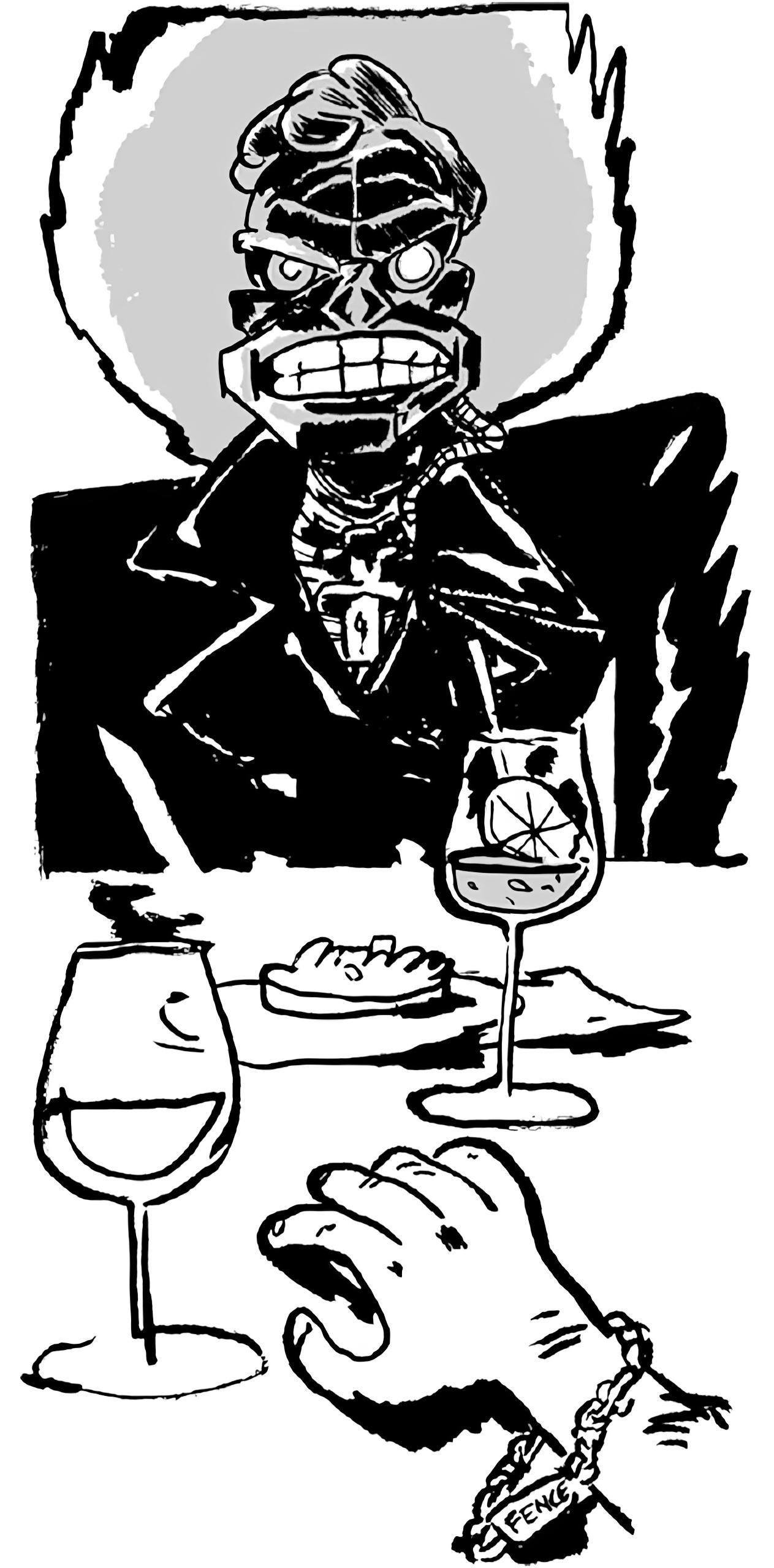
What is Succession? A zested commentary manufactured for Twitter discourse? A flashy comedy of manners with awkwardly ladled references to King Lear? A parody of billionaires, as told by millionaires? Or the most beguiling, witty, and vantablack-dark tv series of recent years?
Rebecca Mead, in her eminently readable New Yorker profile of Succession ‘CEO’ Jesse Armstrong, says his show ‘documents wealth but it does not fetishize it’ and ‘makes affluence look vaguely diseased.’ Is that really true? Your average viewer probably thinks that being really, really rich might not have worked out for these people – but would be willing to have a stab at it themselves!
Sure, few of the show’s characters seem particularly happy, but this doesn’t really act as a strong rebuff to the idea that their lives are enviable ones. For all the ugliness and vituperation, the show is laden with luxury-porn, from the helicopter tracking shots of the Upper East Side to season one’s conclusion in the Neo-Gothic splendour of Eastnor Castle and season three’s visit to the almost repulsively toothsome Villa Cetinale, outside Siena.
The show’s constant, grinding confrontations provide the high drama for which it is rightly adored, but they also allow us to perceive some grit in these billionaire’s pearls, and to observe their lives, however covetously, with the illusion of critical distance. Its negativity is part of a larger cultural discourse of heroic displeasure. Batman must now be sad. James Bond, very tired. Willy Wonka liked chocolate so much that we were simply forced to turn him into Timothée Chalamet. Embarrassed by our toys, we pretend they are unhappy, so that we may play unhindered by the knowledge of our own aspirational fantasies.
In the American press, it appears to be canon that Succession is a satire of some kind, and a pitch-dark one at that. The scheming scions of the Roy family are delightedly labelled as Machiavellian and within its globe-hopping cast of characters is found some sort of rejoinder to globalised finance and wealth contagion. From our perspective on the eastern shores of the Atlantic, however, Succession discourse takes on a different flavour.
Here in the U.K., Succession is widely touted as an Anglo-American venture, since this is how Brits prefer to describe any show written by a half-English writer’s room about Americans, produced by Americans, performed mostly by Americans and filmed in America, by other Americans for an audience largely made up of Americans.
The series does have a few notable British flourishes, not least in the Roys’ mother-in-exile, Lady Caroline Collingwood, played with flinty brilliance by Dame Harriet Walter, or the exquisite oleaginity of Matthew MacFadyen’s American-accented turn as Tom Wambsgans.
The true star is, of course, Brian Cox’s superlatively vituperative Scottish patriarch, Logan Roy. Indeed, in that way of Scots, his Scottishness has only increased with time. This is partly due to the show’s canniness in adding layers of depth to the elder Roy’s fearsome persona, and partly because he played the entire first series believing the character was from Vancouver, only for the one reference to him being from Dundee to be added in post after he’d filmed every one of his lines. As gracious as Logan is garrulous, Cox claims to have been moved by this touch, considering it a nice little tribute to his roots, where perhaps other, more observant, thesps might have intuited a comment on his success at a Canadian accent.