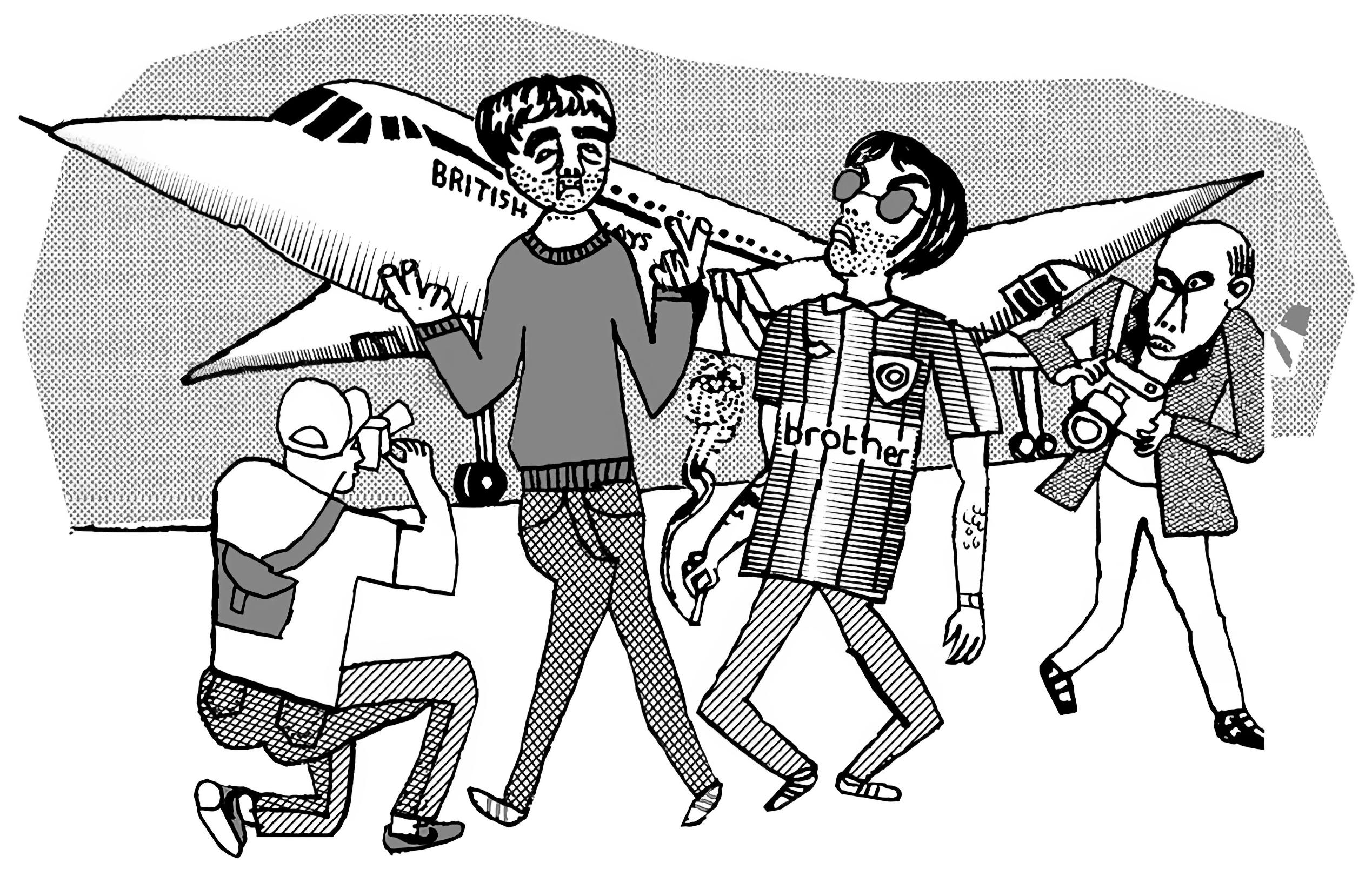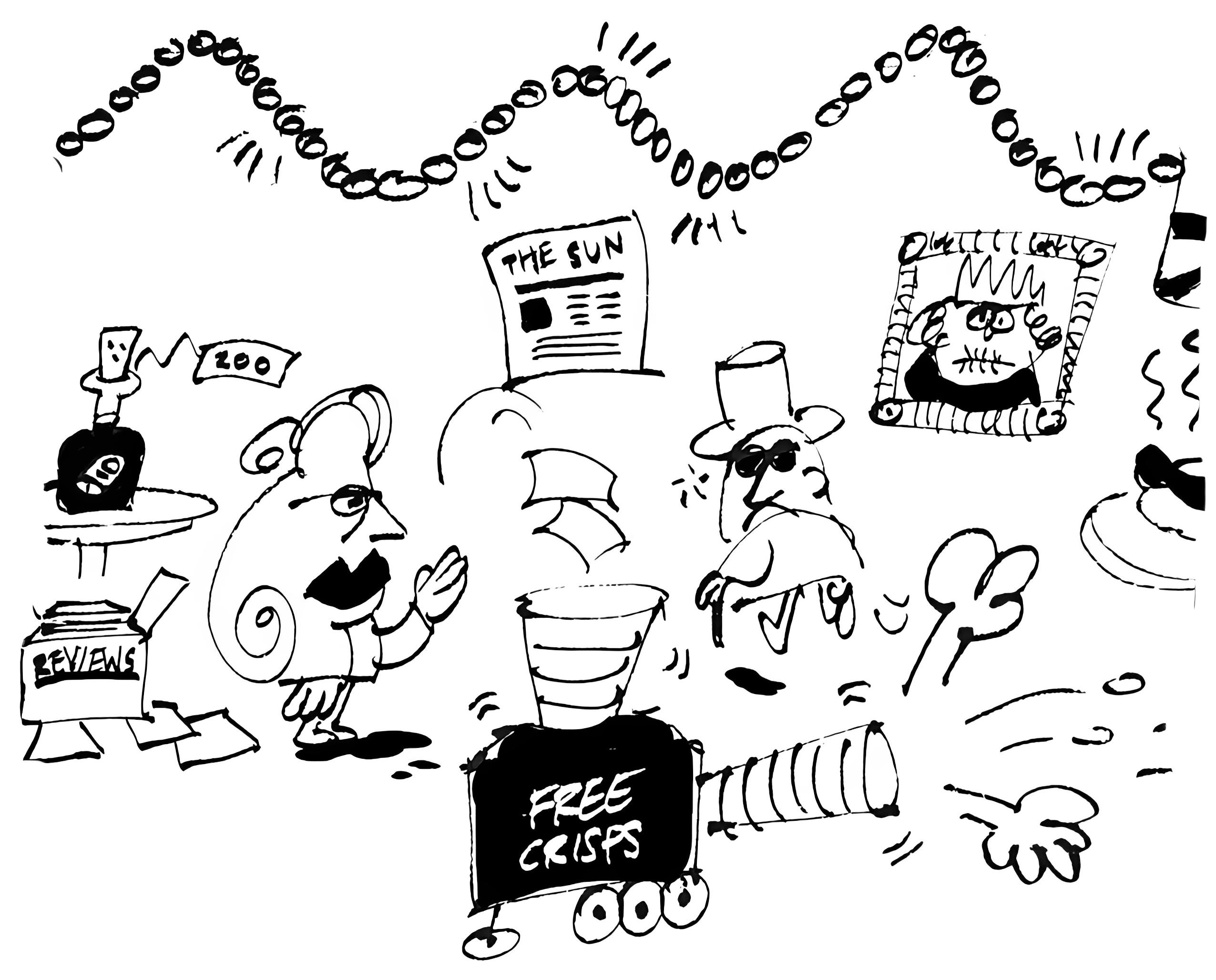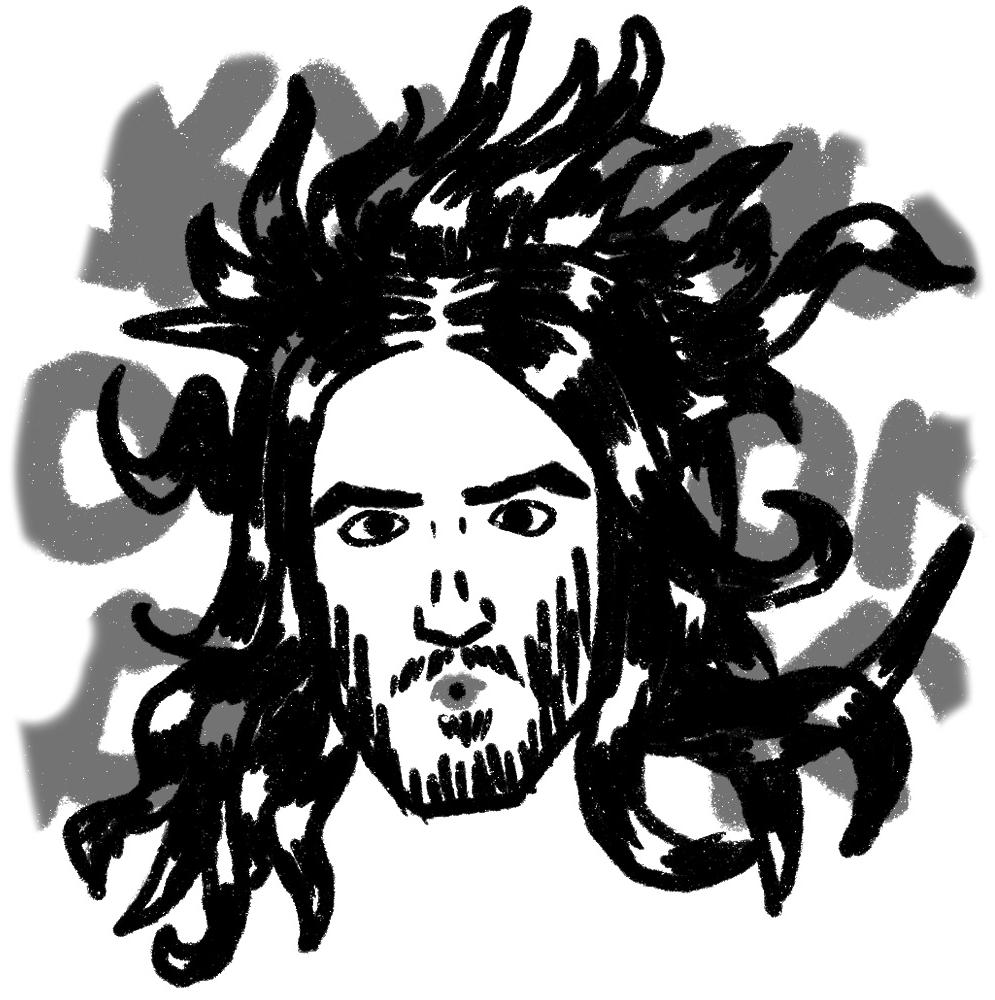
Readers who know Russell Brand from his political comedy and his podcast might be surprised that he started out as a man who made knob gags. This is to do him a disservice, because for a time in the mid to late noughties, he was probably the best knob gag merchant in the country, if not the world. Brand seemed to arrive fully formed in 2005. Overnight, he was the most famous man in Britain, like Mick Jagger, Kenneth Williams and Amy Winehouse all rolled into one. Brand was a gift to the tabloids; the Sun crowned him ‘Shagger of the Year’ three years in a row.
I am afraid that I played a small part in Brand’s rise to ubiquity. I worked on the publicity for his first book – some would say his masterpiece – which was published in 2007. A far-sighted editor at Hodder & Stoughton had managed to snap Brand up to write a book before his celebrity went interstellar. It was to be the tale of his pre-fame life of drugs and compulsive sex.
At the time I largely covered literary fiction, dealing with writers like Thomas Keneally and Siri Hustvedt. Social media and blogs were in their infancy, and my not too-taxing job involved dealing with like-minded menschy types at the Telegraph, Guardian and the BBC. Lunch was still a big thing. It was a terrible preparation for dealing with someone like Brand, to whom nobody had said no for two years, but for some reason it was decided that I would do the publicity. Something about Brand’s combination of laddiness and erudition was thought to suit me.
The book was scheduled to be the big Christmas title of 2007, but as the publication date approached, there was no book. Originally, Ben Thompson, a music journalist, had been employed to write it, but Brand apparently hated the results. So Brand and his entourage were dispatched to an Italian villa to write the thing at Hodder’s expense.
Somehow, much to everyone’s surprise, a completed book arrived in the nick of time. And the second surprise was that it wasn’t bad. Brand insisted he had written every single word. It’s hard to say but whoever had worked on it had captured Brand’s style perfectly. Everyone breathed a sigh of relief, though there was further panic in-house when Brand announced that he wanted to call it My Booky Wook – a reference to the slang in A Clockwork Orange which nobody got.
Then it was time for me to be introduced to the poodle-haired comedian. I vividly remember our first meeting in the boardroom at Hodder on the Euston Road with his agent, editor, the heads of various departments and the MD, Jamie Hodder-Williams himself. Brand was terrifyingly charismatic with eyes like Satan that bored into me. I waffled something about how we weren’t going to market the book with celebrity tittle-tattle, it would be literature. In the end, we would do both.
The campaign targeted the mass market and the more highbrow press. There were interviews in the Sun and Mirror, appearances with Jonathan Ross and Steve Wright, but with serialisation in the Guardian, reviews in the broadsheets and, oddly, an appearance on Woman’s Hour on Radio 4. Here the presenter, Jenni Murray, tried gamely to confront Brand about his past relationships. He did admit he wasn’t proud of his behaviour, but then with a flick of those deep brown eyes, she seemed to melt and didn’t push the matter.
Those were different times. Lad culture still reigned, and making a living out of boasting about your ill-treatment of women didn’t in any way seem odd. I think Brand realised that this schtick was numbered because in the time I knew him, his work became more political, with references to Noam Chomsky alongside the jokes about how small his penis was. Within five years he’d be talking to a bemused Jeremy Paxman about the revolution on Newsnight and hosting an extremely awkward Ed Miliband on his politics channel, The Trews.