This summer, British music festivals finally made it back to normal service. After nigh-on three years of cancellations and half-arsed, ersatz ‘COVID-safe’ versions, the natural order is back. The Tesco tent sales are on, the bean burgers are slowly digesting and drug dealers across the nation are booking lavish September holidays. No matter what you think of ‘festies’, their relative absence over the last few years has been noticeable. Festivals are now so well cemented in the culture that something felt awry – eerie even – when our train stations were free of giddy A-Level grads; Buckaroo’d with roll mats, body jewellery and trench foot. The TV schedule seemed emptier without three hours of Sister Bliss and Maxi Jazz cuing up Insomnia on the Red Button.
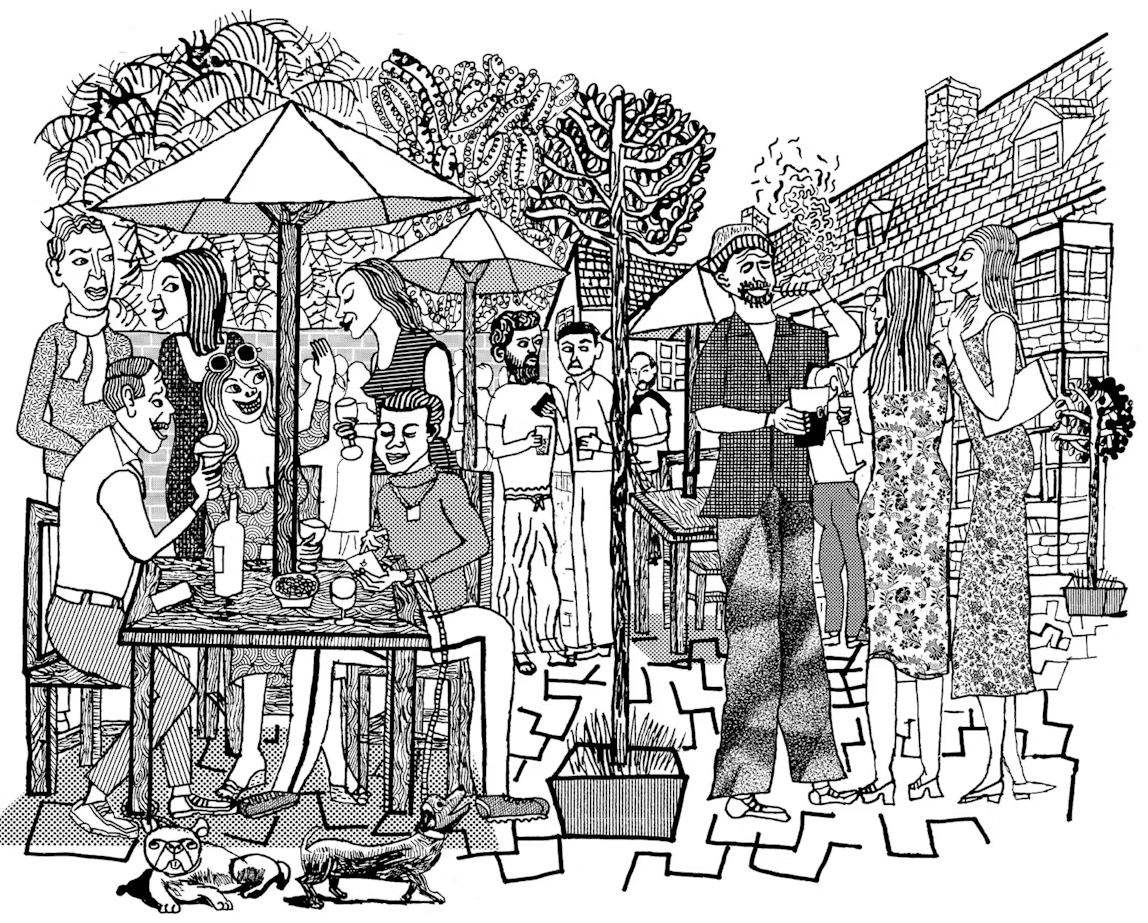
At this point, their place in the establishment calendar is every bit as assured as Pimm’s at Murray Mound or fist fights at Cheltenham. Their codes, tropes and clichés are written in our constitution, their line-ups as predictable as the weather in the Canaries. Yet, they still possess a rare and quite beautiful power; an ability to unite disparate, but ultimately homogenous groups of people through quasi-pagan merriment. uk festivals are both village fete and bacchanalian sex ritual, Pigeon Fancier’s Ball and Temporary Autonomous Zone, sponsored by Tuborg and staffed by Serco. They are celestially-aligned, heavily monetised rites of low-key chaos for underage drinkers, first-time buyers and sinister crusties alike.
But recently, a new type of festival has started to rear its head, one that seems to move with the rumblings of wider society, rather than just endlessly booking Queens of the Stone Age and hoping nobody dies. This experimental breed of event swerves the standard compromise of ‘big bands, bad food’ and instead brings the festival experience towards the world of Sunday supplements, Zero COVID threads and Jessie Ware podcasts, creating something that I can only decree: ‘the lifestyle festival’.
You’ve probably seen the posters; pasted on the tube, flashed onto your Facebook feed or a dm from your most hateful friend. They jump out at you with wacky, incongruous line-ups that appear to give TV chefs and public intellectuals equal billing with disco legends and Hacienda DJs – reading like a broadsheet culture section soaked in liquid psilocybin. Oxford’s KITE Festival – described on its own website as ‘a new festival of ideas and music’ – was the one that caused the biggest stir amongst the purists, with a really-quite-deranged programme that somehow brought together Grace Jones, Richard Dawkins, Delia Smith, TLC (yes, that TLC), post-indie upstarts Black Country, New Road, hard lockdown advocate Devi Sridhar and ‘David Miliband on Crisis Leadership.’
Extraordinary as it sounds, KITE is just the frothing head of the pint. Peruse through this summer’s events and you’ll find countless examples of this creeping Guardianisation of the music festival – at both newer, purpose-built events and at burgeoning food, comedy and ‘discussion’ stages at established festivals. Talks from Jarvis Cocker, Caitlin Moran, Marcus Brigstocke, David Olusoga, Wahaca’s Thomasina Myers, nasa’s Tim Peake and someone called ‘The Guilty Feminist’ seemingly draw sizeable crowds at ‘family-friendly’ festivals like Bluedot, The Big Retreat, Elephant Camp, ‘Tom Kerridge’s Pub in the Park’, and I’m sorry to inform you of this, ‘Alex James’s Big Feastival.’
Musicians tend to get top billing, but looking at the programming it’s clear that they’re something of a sideshow for a more holistic, socially-centred experience. While dyed in the wool ‘music festivals’ cram as many big acts onto their stages as possible, lifestyle festivals are happy to throw their line-ups off a cliff, going from Grammy-winner to ‘North Oxfordshire area Battle of the Bands-winner’ in just a few bookings. The promoters have likely worked out that their punter-base are mostly there to guzzle prosecco and teach their children to skank, rather than check out the latest Four Tet material – a dynamic which certainly doesn’t harm their overheads.
The ‘name’ musical artists that do appear tend to fall amongst identifiable lines; alimony-riddled legends, coffee table stalwarts, political folkies and quasi-novelty ‘genre acts’. The likes of The Cuban Brothers, Dub Pistols, Norman Jay, Charlotte Church’s Pop Dungeon and Craig Charles’ Money-Making Funk Machine seem to be omnipresent; usually nestled amongst Alan Rusbridger, a handsome young comedian with a bbc Sounds podcast and some god awful Bristol brass/bass troupe called ‘Mr B’s Gentlemen’s Boogie Down Roadshow’ or the like.
While the traditional itinerary of a festival includes a week of heavy duty aftercare – lathering yourself in Apres-Soleil and waking up screaming – health and wellness are integral to lifestyle festivals. All facets of the Greater Brockley life are on offer; from run clubs to wild swimming, Finnish saunas to cooking classes, hip hop karaoke and ‘paddleboard yoga’. ‘Rock Oyster’, an event run by Rick Stein’s son Jack, dips into the random activity generator to give us ‘hip hop yoga’. Food is another big draw, with sustenance provided by the likes of Dishoom, Hawksmoor et al – upping sticks from Great Eastern Street to do an ad-hoc version of their fare.