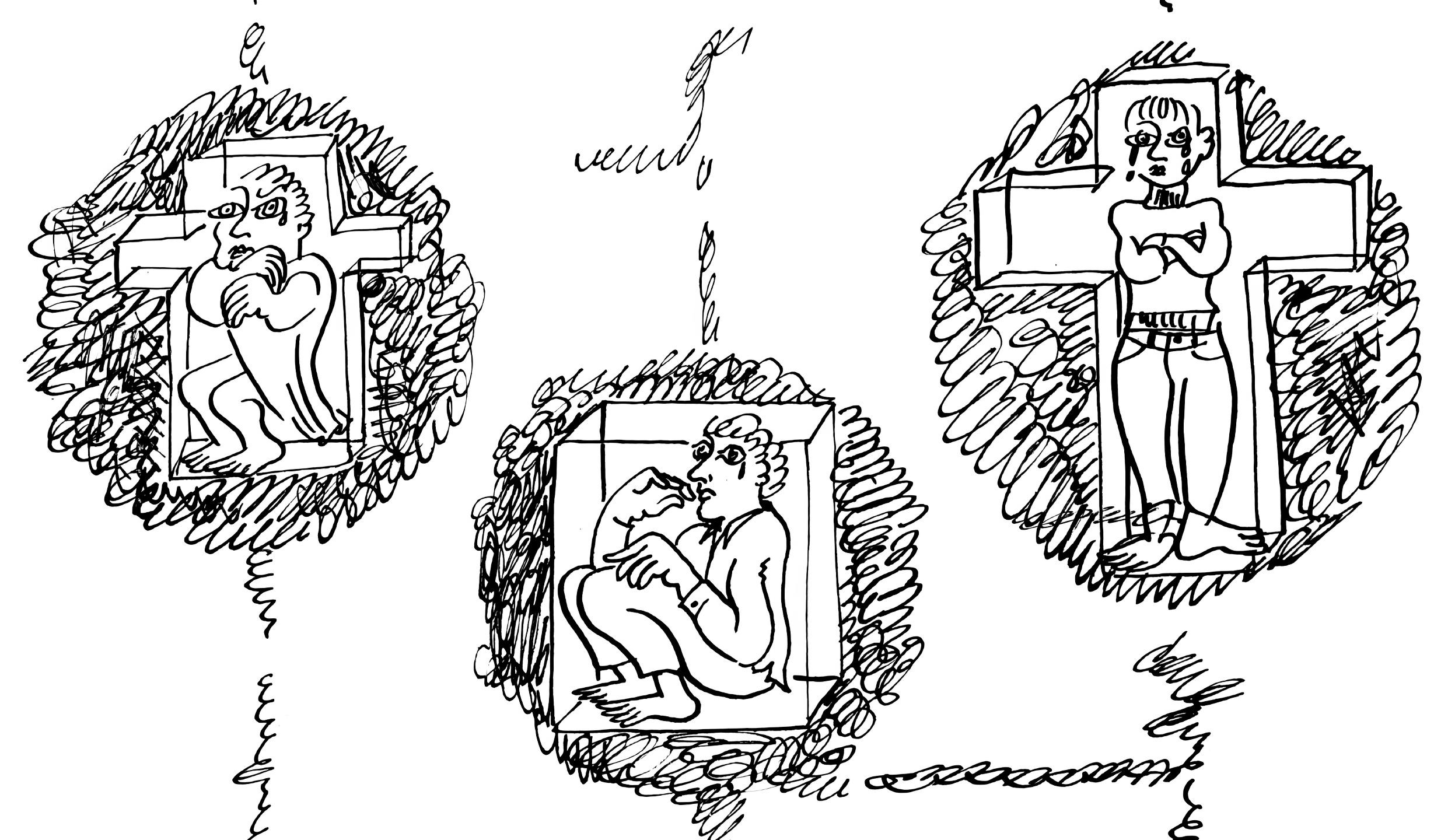
It’s just over a week before our wedding. I get a message. One of my bridesmaids met with a friend and that friend has discovered they are COVID-positive. My bridesmaid tries to get tested but doesn’t manage it for the next ten days, giving me time to imagine at leisure what could happen if she came while unwittingly carrying the virus. What I imagine is the damned side of a Bosch triptych.
My levels of paranoia quickly reach coked-up Ray Liotta at the end of Goodfellas. I refuse to see or touch anyone. Those helicopters are following me. I have to tell my bridesmaid she can’t come to our wedding. For good measure, I also tell her that because the tests aren’t 100% accurate she can’t come even if she tests negative. I am consumed by guilt, and to assuage it, consume a whole month’s recommended alcohol intake within a few days, binge-drinking Rescue Remedy.
There was a time, I remember, when my engagement was going to be lovely and generic. I imagined the wedding would be the same. This period ends on February 8th. We’re in Devon, where I grew up and where we’re getting married. My future father-in-law pulls the paper over. COVID-19 – a virus that sounds like one of the tediously named planets at the arse-end of the universe – is sweeping through Wuhan. On the front page, Li Wenliang, the doctor whistle-blower, is dead.
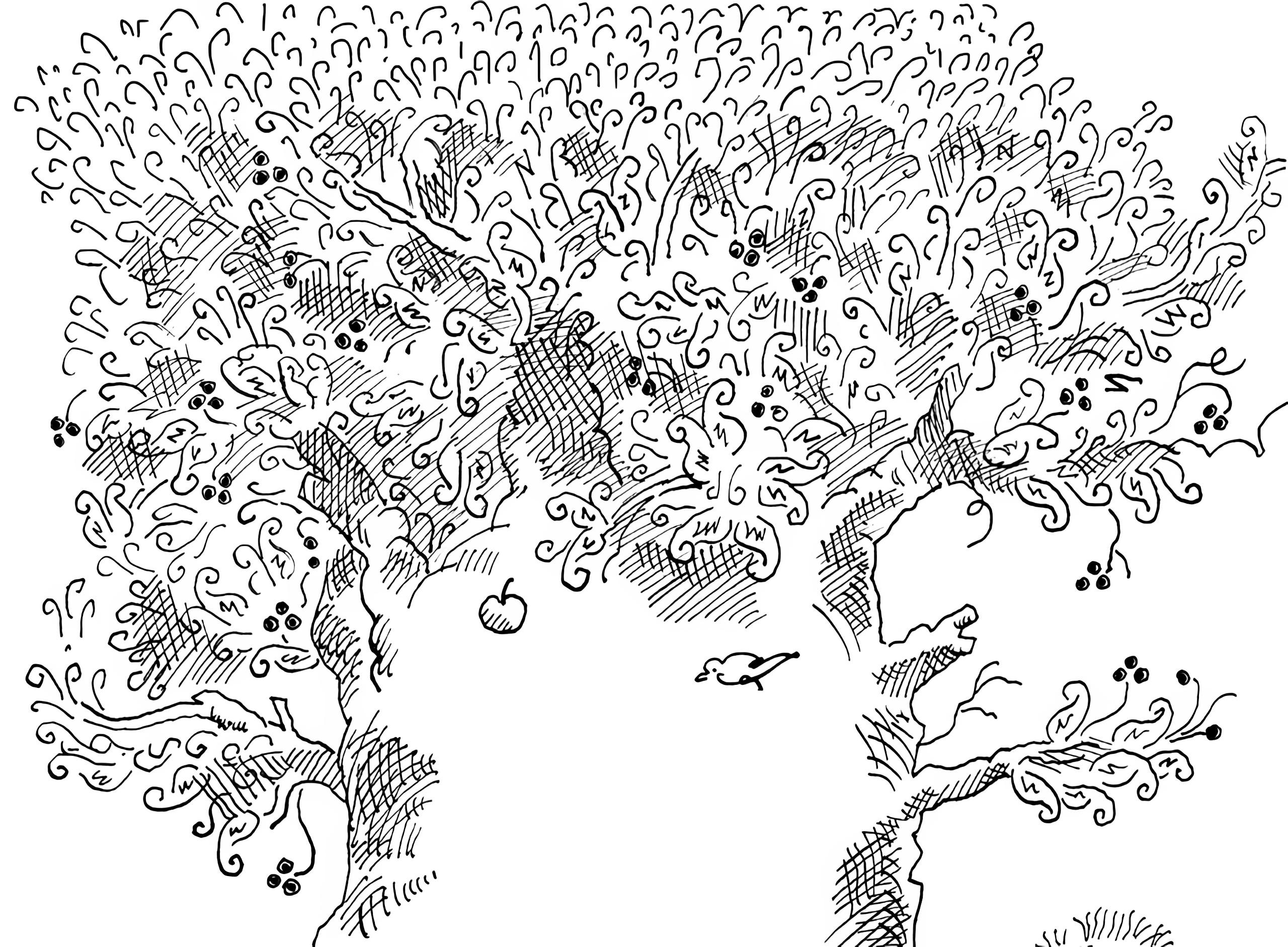
From this moment I know our wedding plans are deeply and darkly fucked. Still, never one to let a plague ruin my plans, we nip to the church to meet the vicar and set a date. We pick the week after my birthday: September, when the light is warm and soft and ’tis the season of mellow fruitfulness; when farmers are jovial and race around in their tractors having taken enormous amounts of whizz to complete the harvest season.
Then it hits: lockdown. Friends’ weddings are cancelled. All weddings. All life as we know it is cancelled. But in a fever of optimism, we sent out invites to 60-odd people. This will prove to be the first of many miscalculations.
For months there’s not much we can do but alternately hope and imagine awful scenarios. I started running up hills, a pursuit reserved for maniacs. I’ve also started taking 4am walks and hugging the huge cedar tree in the garden. Fortunately, the man I’m marrying thinks this is quite a sensible thing to do under the circumstances and joins me. Under the tree we get our act together for martial law instead of marital bliss.
Suddenly, there are more pressing concerns. Lockdown is over. Now we must focus on practicalities: we need rings. For rings we need gold. But the problem, we realise, is the price of gold is going up. I look at graphs with angry lines and am adamant we hold off a while. Miscalculation. The price of gold soon reaches an all-time high as people fear the breakdown not only of the global economy, and civilisation as we know it. That was how we bought the most expensive gold known to man. The man I’m marrying, a financial journalist, tries to rationalise the purchase, saying, ‘If we live for another sixty years, or even seventy if we start fasting, it’ll work out at £6 a year. It’s an investment.’
I’m not great with money but I am good with potatoes and have often dreamed of returning to a medieval-style potato bartering system, which is now looking hopeful. I keep a sprouting potato in the cupboard, a custom I acquired from my mother, who always kept at least one bag of germinating potatoes in the boot of her car. I put it in a large pot on the balcony and soon it’s growing hundreds of little potatoes. However, I don’t brag about my potato harvest, as balconies quickly become a privilege issue and I’m afraid of being attacked for having a balcony despite having lost all my work.