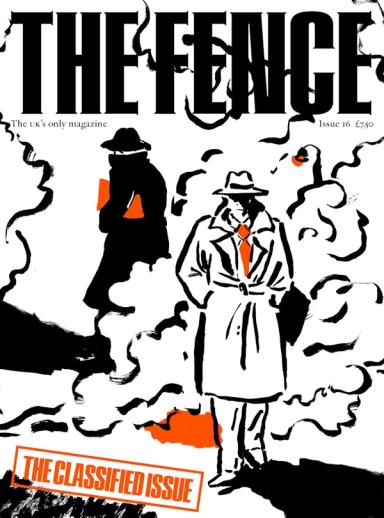
THE CORRESPONDENT
Neave Barker, Al Jazeera’s one-time man in Moscow
Keeping secrets in Russia was difficult. Day-to-day life was knowing full well that we were under surveillance. There were various layers to it, depending on what story you were working on at the time. The Russians are quite good at it. When you’ve been in Eastern Europe long enough, you can spot the guys a mile off, huddled in groups, and one is always wearing a leather jacket. The rest are wearing Berghaus, like they’ve just been hiking. The way they’re physically built sets them aside from every other human being on the planet. We used to joke that they were all manufactured in some plant on the outskirts of Moscow.
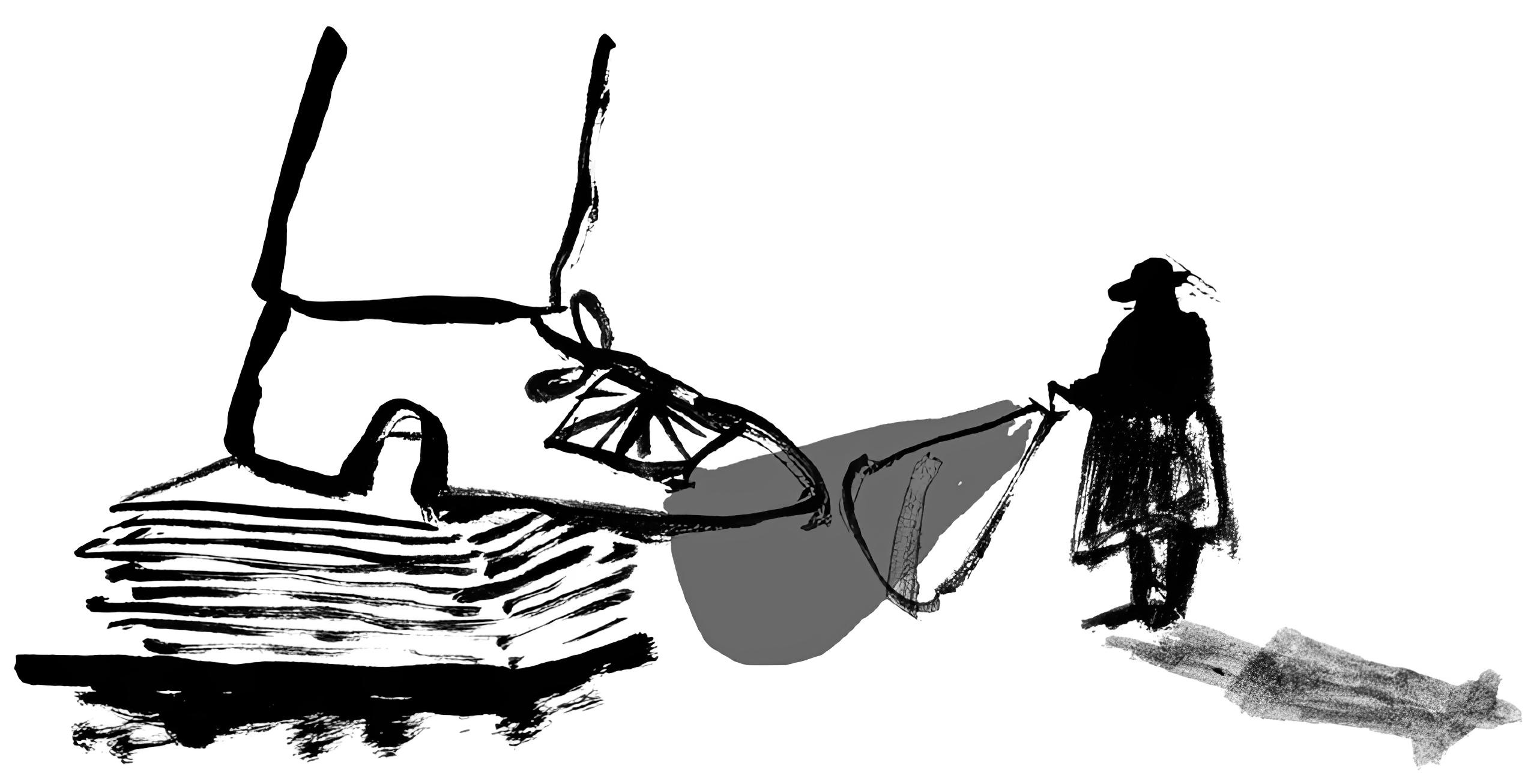
There’s also the stealthy, low-level intimidation that we used to get in Russia. The alarm clock that you’re sure wasn’t set going off at four o’clock in the morning. The ‘Oh, I live on the 10th floor, I’m sure I shut that window’ kind of thing, or ‘Why is my car parked on the other side of the road facing the other way with one wheel on the curb?’ The equivalent of a little tap at the door, like ‘We’re here, but maybe we’re not.’ One colleague was getting coats out of an Ikea hanger in her hallway and literally pulled a microphone out of the wall.
Reporters have a certain desperation to be where something interesting is happening. I don’t think anyone goes out of their way to put themselves in harm, but it does increase the drive to report something when somebody clearly doesn’t want you to do it. That’s probably why my most radicalising moment was going to Russia, where there’s such a strong effort to shape the narrative of the country, and ordinary Russians’ understanding of who was in charge.
It’s the nature of authoritarian states that they suppress truth and will do everything possible to silence critics, but because you are a foreigner in their country, you’re governed by other rules. You’re also kind of privileged that you have an emergency object in the form of a British passport, an Irish passport, an American passport, which allows you to push buttons and annoy people and stick microphones in their faces because you can usually get on a plane after. Which is why what’s happening in Russia at the moment is so distressing, because I’ve seen friends in really hot water. Now those are the brave people. Us guys, you know, end up parachuting into these countries and getting a great store of stories, but we can pull the plug when things get difficult.
THE EDITOR
Janine Gibson, Pulitzer Prize-winning editor of the Guardian’s Snowden Files