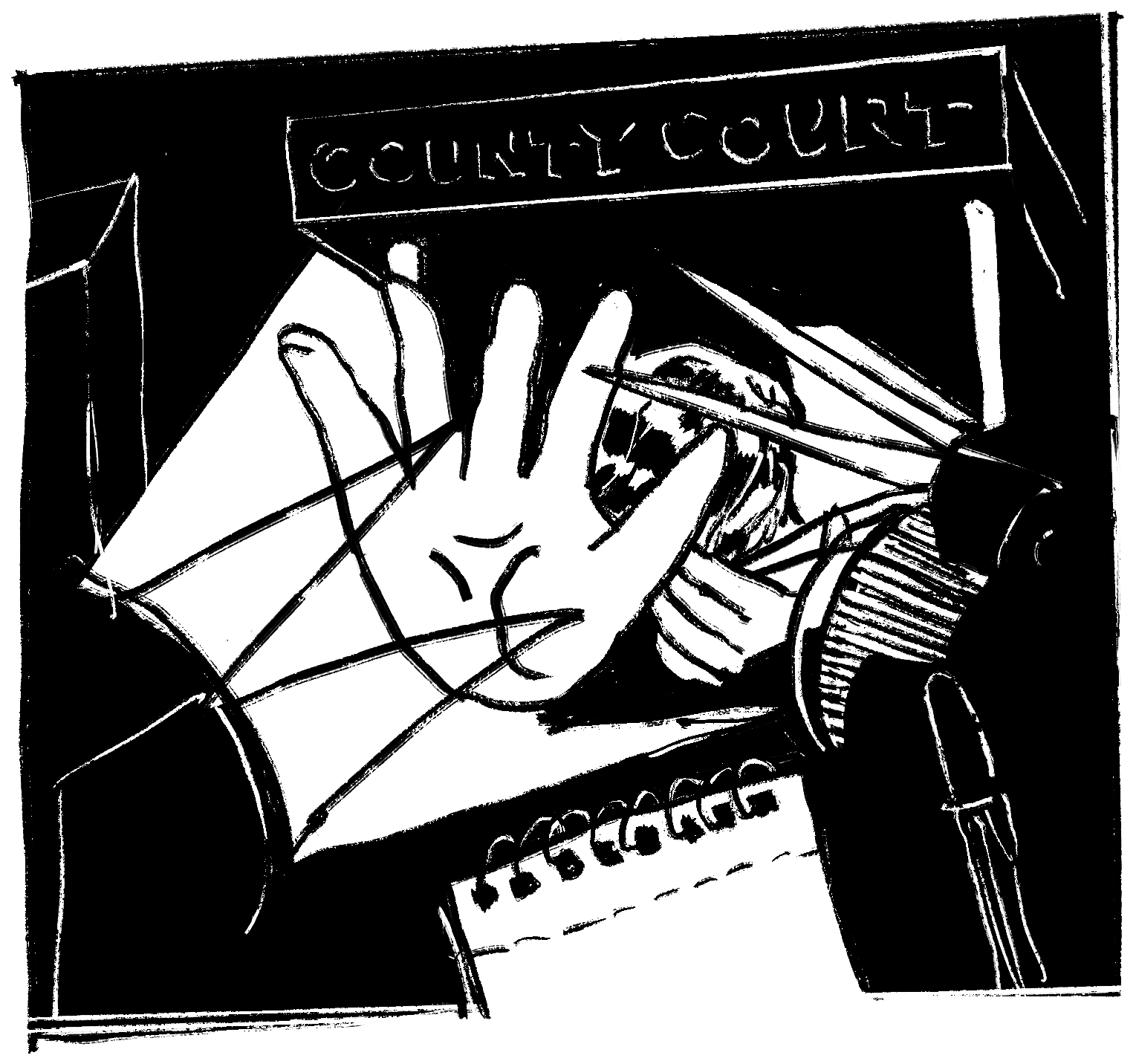
A short drive from Arlington Cemetery, the Siena Park Residences are tucked into a block of uniform brick-and-concrete new-builds, hardly more notable than a highway marker. At dawn, just before the rush of morning commuters, this stretch of Arlington feels unusually placid, making it hard to believe how close it leans to the morally murky swamplands of Washington. But on the morning of 27 April 2022, the stillness broke, if only briefly, when a fleet of Arlington County police vehicles, accompanied by an armoured Lenco BearCat G2 – something most people would assume was a tank – unloaded a team of ten or so heavily-armed, unmarked personnel upon the doors of Siena Park. Within ten minutes, their job was finished, and they were gone.
Several hours later, a producer at ABC named James Gordon Meek tendered his resignation. His email cited ‘personal reasons.’ Little else was said: no scandal, no breaking news. Somehow, a high profile journalist like Meek went under the radar without the slightest ripple of media turbulence. He had virtually disappeared, not only from ABC, but from a book deal with Simon & Schuster, from Twitter and from his apartment on the sixth floor of Siena Park.
For more than two decades, James Gordon Meek stood as a renowned American journalist, known mostly for his military reportage on terrorism and the wars in Iraq and Afghanistan. In 2001, Meek was at the Pentagon reporting within the hour of the American Airlines Flight 77 crash. Ten years later, with extensive knowledge of Al-Qaeda stemming from interviews and his own first-hand witness of the trials and arraignments of members of the terrorist organisation, he became senior investigator on the House Committee for Homeland Security. In 2013, he landed a job with ABC News in D.C. and returned from his brief affair in government back to journalism.
I didn’t hear about the raid until it came into the public eye in October, when an FBI representative told Rolling Stone that its agents were present at the Siena Park apartments the morning of 27 April. All at once, the pieces of a narrative that had for months been hazy, if not completely invisible, seemed to be coming together. The scoop contained claims from anonymous sources that the agents had seized Meek’s laptop, which allegedly cached classified documents.
Just before Christmas, I returned home to my parents’ neighbourhood on the outskirts of Arlington, Virginia. They stuck around after my father left the US Army and eventually disentangled himself from a Pentagon career that included stints under the Obama and Trump administrations, but they had become so disillusioned with the northern Virginia elite that they opted for an entirely different career, trading Guantánamo for the Bahamas when they opened a regional branch for a cruise travel agency.
One night at dinner, we discussed Meek’s disappearance. My father was noticeably disturbed by the news not only as a citizen, but also as a friend. Their paths had crossed some years back, as is almost inevitable in the D.C. area. Politically, they resided on opposite ends of the spectrum, but could still enjoy a pint together at SpaceBar, a space-themed ‘beer bar and grilled cheese emporium’ in Falls Church. ‘We still found common ground in our mutual respect for the soldiers and a desire to see justice done,’ he said. ‘Not simply expediency – which almost always leads to injustice.’
He had managed to get in touch with Meek, though he didn’t know his whereabouts – perhaps no one did. Their exchange made it clear that whatever he had experienced in the months following the raid had been harrowing. Meek was returning to the faith he had abandoned as a young man, he’d confessed. My father asked us to pray for him.
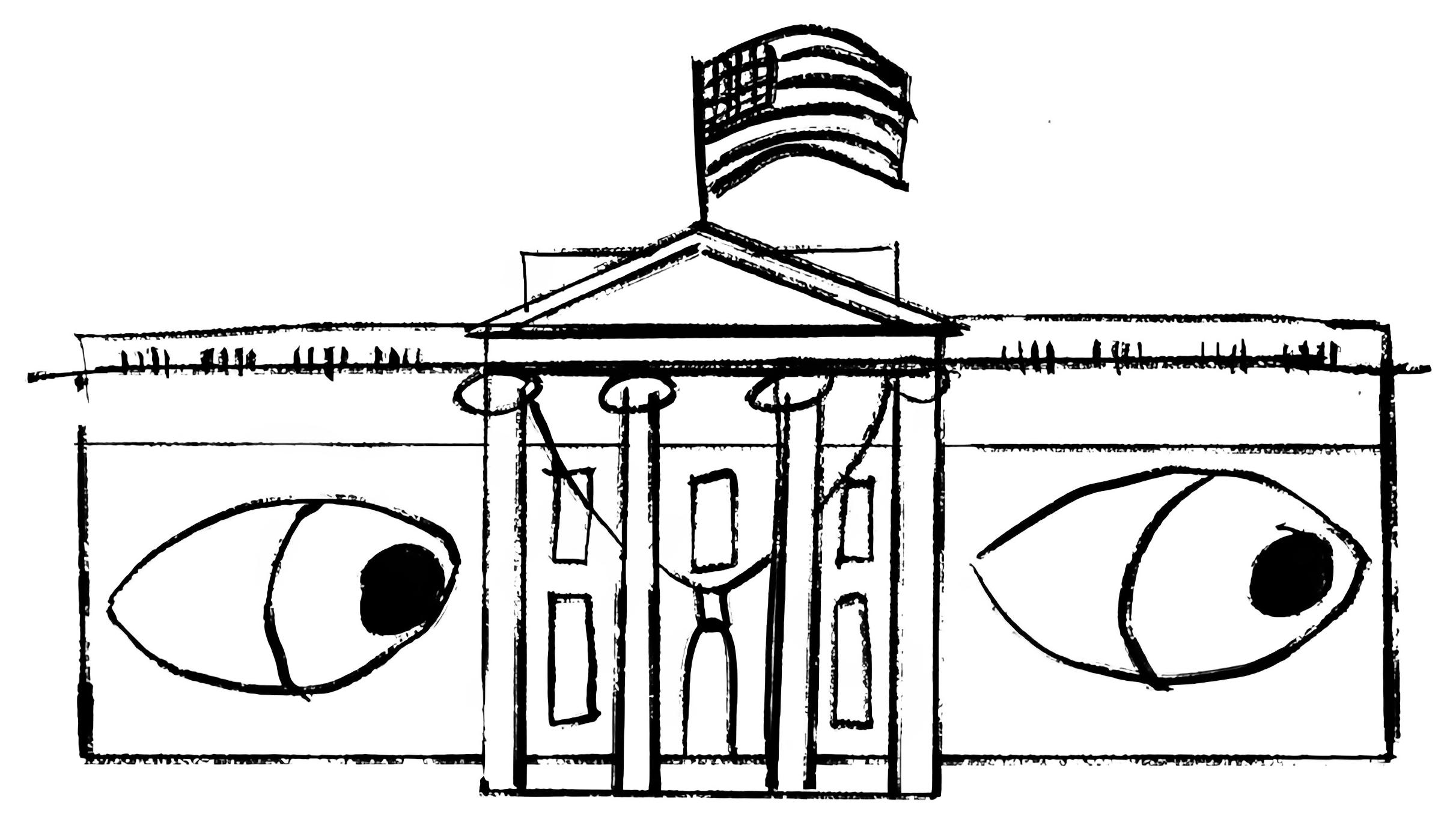
My father had seen behaviour from federal appointees that eroded his confidence in the government. He suggested something along the lines of what I had read in the comments of Meek’s last Twitter post or news articles from October – that a government cover-up of sorts was in play. It would not be the first time for Meek to get involved in this kind of thing, although up until now he’d found himself on the periphery of conspiracy, never its centre.