At the close of the 1960s, after some years of aimless wanderings, I decided that abroad was not to my taste, and persuaded my American wife to return to Dublin with me and settle there. In those days, Ireland prided itself on being behind the times, and the frantic 60s felt to us more like the fallow 40s. There was, however, one significant difference: jobs were plentiful. I had hardly been back in Dublin for more than a week or two when I landed a job as a subeditor on the Irish Press.
I knew nothing of the inner workings of a daily newspaper, and on my first ‘casual night’ I floundered. The chief sub gave me a two-paragraph story, and when after half an hour or so of laborious word-shifting and relentless cutting I handed it back to him, he leaned down by my ear and assured me in a menacing whisper that I was fooling nobody. Baffled, I consulted my neighbour, who was of that species dubbed by Gore Vidal, ‘the wise hack’. He glanced at my handiwork and said: ‘The headline you wrote is longer than what you left of the story.’
The job of the sub is simple, on the face of it. He – and in my day all 19 of the Press subs were men, or at least of the male gender – is given a piece of copy written, more or less, by one of the house reporters, or from one of the news agencies, and goes through it correcting errors and, in the case of foreign stories, adapting them to house style, and lastly devising a headline. He then passes the copy back to the chief sub for checking, after which it is sent to the printers upstairs.
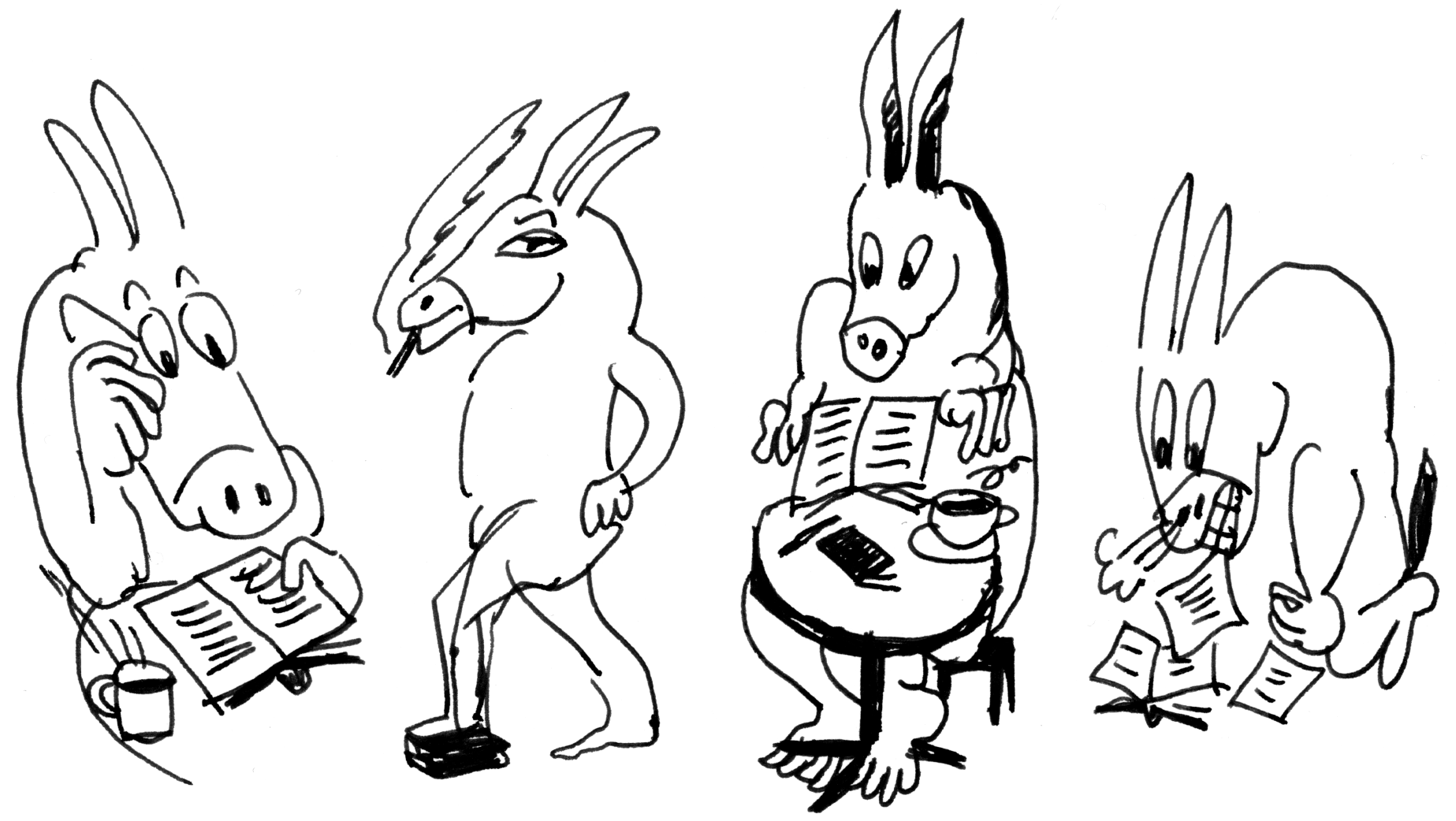
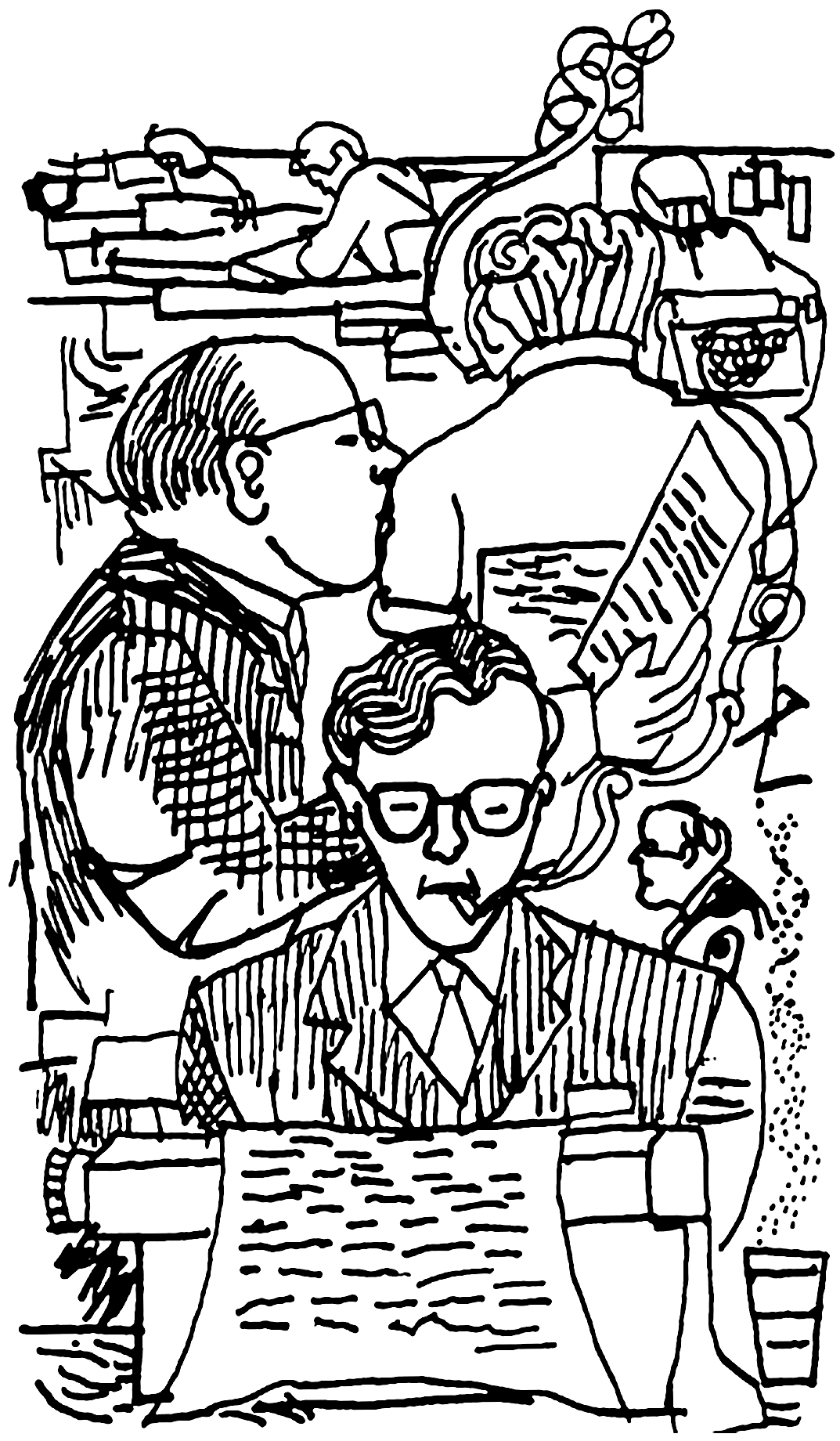
Since the Press was a morning paper, we laboured by night. The editor, who had no love for subs, defined us as ‘people who change other people’s words and go home in the dark’. There were two shifts, from 5:30pm to 1am, and the graveyard shift, 8:30pm to 4am. We worked in a large, dirty, open-plan office that we shared with the news desk and the sports desk.
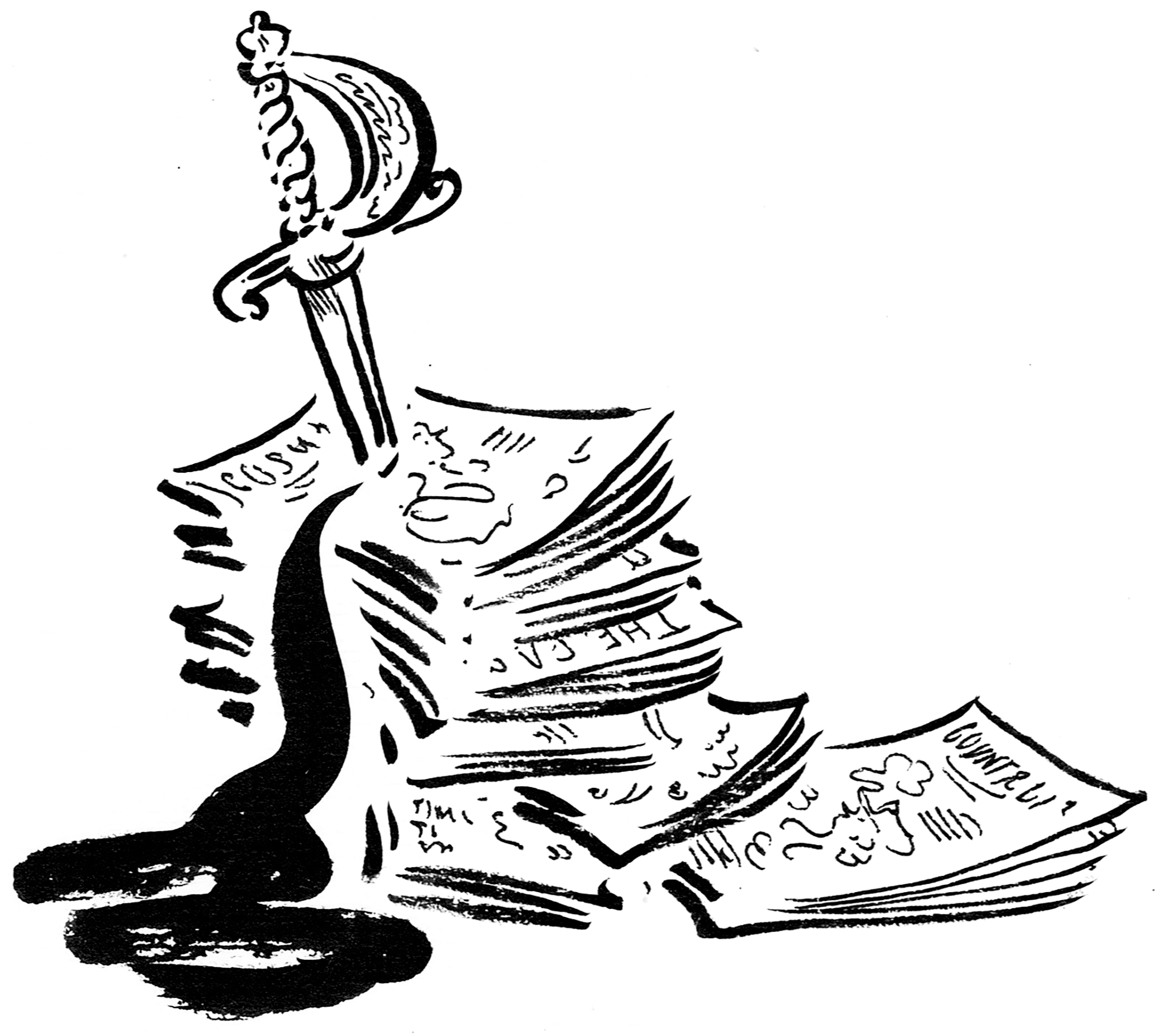
Cigarette smoke fogged the air, copy-boys ran in and out, everyone shouted and no one listened. I quickly became accustomed to, indeed I came to enjoy, the glorious cacophony of a newspaper office going at full tilt, with a deadline looming ever nearer. In those days it was still typewriters and copy paper, and headlines were handwritten in duplicate and pinned – yes, pinned, with a straight pin – to the copy, the original going upstairs and the carbon remaining with the chief sub, so that the blame for a blooper could be easily apportioned.
The war in Northern Ireland was as yet only a gleam in the nascent gunmen’s eyes, and most of the stories we ran dealt with parish-pump politics, agriculture or sport. While the rest of the world was in its accustomed turmoil, the Press, for which Ireland was the omphalos of the universe, took scant notice.
All the same, on occasion we had to turn to the foreign desk for something strong enough to lead the front page. There was, for instance, the Night of the Welsh Miners.
It was coming up to Christmas, and the best the news desk could offer us was a report on the annual spate of yuletide pile-ups on the roads. Could we really lead the paper on ‘a sharp increase in drunk-driving charges’? Then, with an hour and a half to deadline, the telex room came to our rescue with an Associated Press report of an explosion at a Welsh coal pit, which had left scores of miners trapped hundreds of feet underground. Hooray!