Throughout the celebration of the Queen’s Platinum Jubilee, a question rankled: what will happen to the monarchy when Queen Elizabeth passes away? Before I humbly outline a solution that, in my belief, would command near-ubiquitous support, let us examine the problem.
The jubilee demonstrated that, by and large, the people of this country love their monarch, but perhaps feel more ambivalent about the institution of the monarchy. Splurging on pageantry during a cost-of-living crisis struck many as inappropriate. As the bunting came down, many were left wondering whether revenue from the Crown Estate might be better spent on families who don’t privately own an estate in Norfolk and a castle in Scotland.
The recent outpouring of love for the Queen threw into relief the lack of popular support for her progeny. Polls suggest that only about half the population view Prince Charles favourably and the controversy surrounding the Duke of York (as well as the tittle-tattle that surrounds much of the rest of the family) threatens to tarnish the crown, and by extension the standing of the country.
All in all, there is a sense that the institution of the monarchy is in need of a shake-up, but that to abolish it entirely would be going too far. People like some of the traditions and aesthetics of royalty, and recognise their value to the tourist trade. In addition, finding an alternative head of state would be fraught with difficulty: an elected president, even if ceremonial in function, would be divisive, and diminish the dignity with which the royal family are able (in theory at least) to invest the role.
But there is an alternative that maintains the dignity of the monarchy and fulfils the constitutional requirements of the role, while simultaneously avoiding the pitfalls of the alternatives. There is clearly a degree of hunger for the trappings of royalty to be maintained and my proposal wouldn’t just maintain the spectacle of royalty, but would in fact increase it.
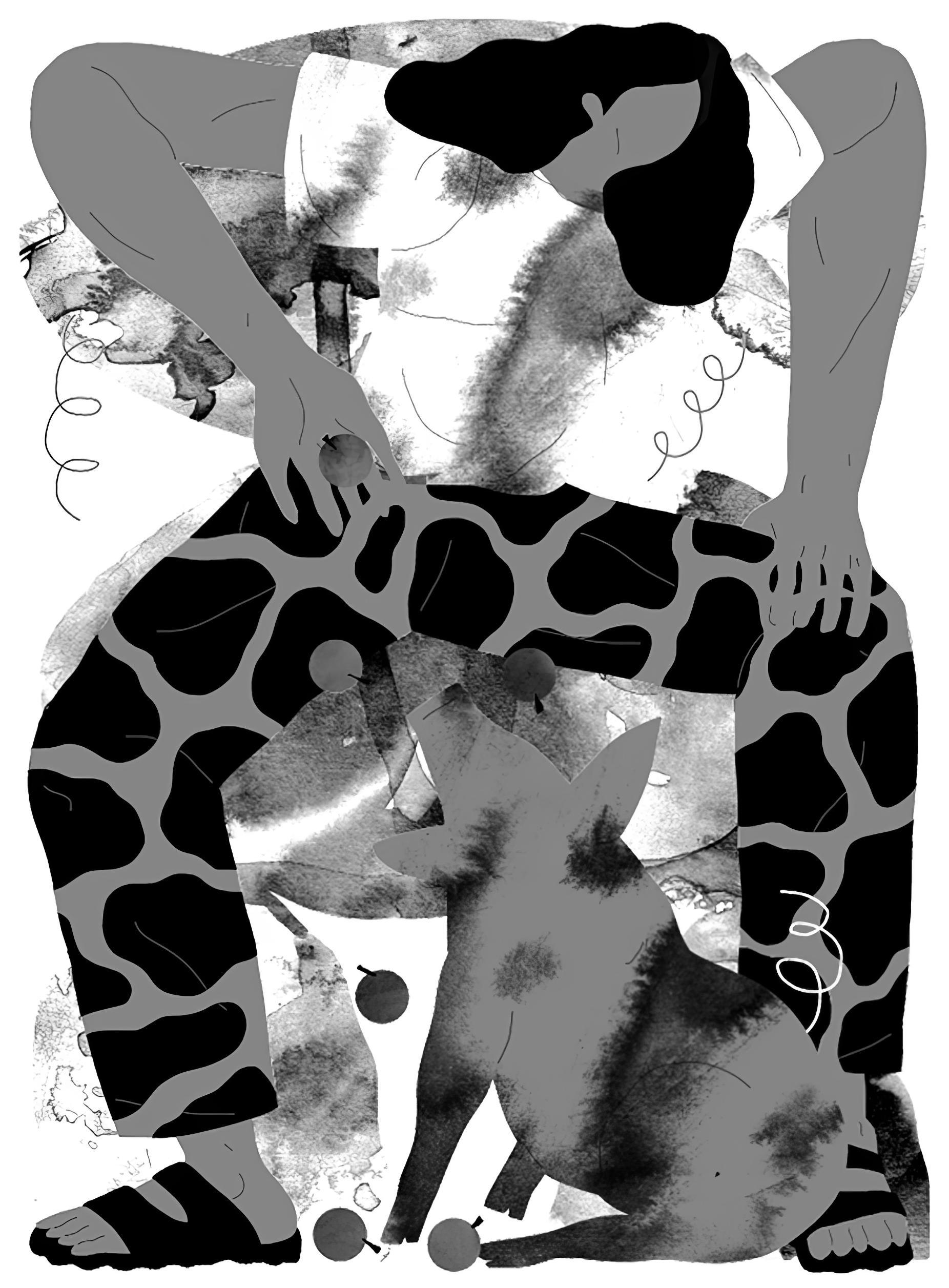
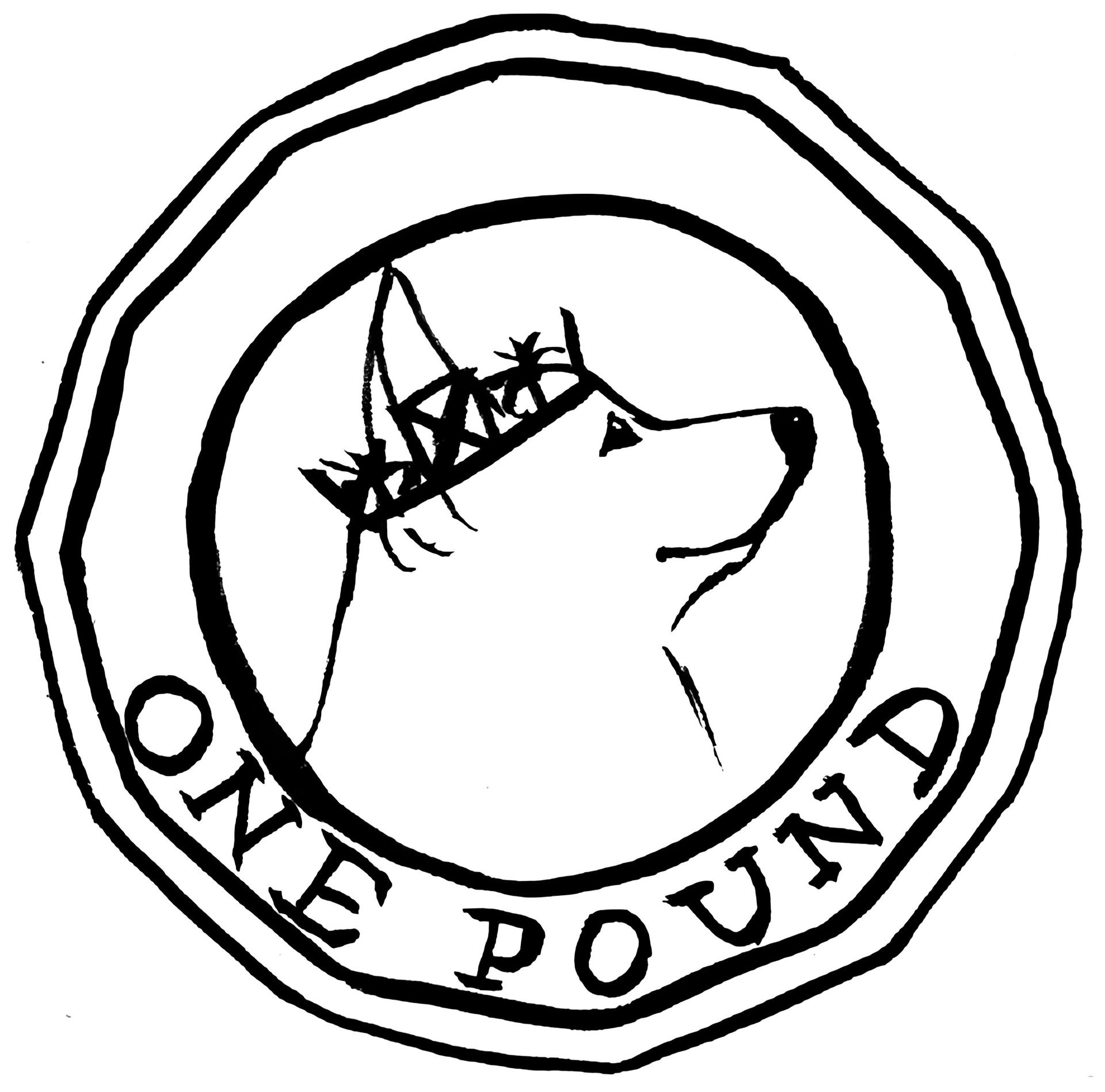
The answer, I suggest, is to install a dog on the throne. Crowning a dog (or indeed a bitch) would address many of the shortcomings with the current system, as well as bringing benefits from a constitutional perspective.
Firstly, and perhaps most importantly, a dog would be a universally popular monarch. The Queen might be widely liked, but the next in line are less well-loved. Dogs, by contrast, are perennial favourites of the British people.
Those that wish for a degree of democratic accountability in the process could be easily placated if we give the public a vote on the breed. In honour of the final human queen of England, it’s likely that the first canine monarch would be a corgi. Given their lifespan, though, there’d be another referendum within a dozen years or so.