Many iconic images emerged from the 2024 US Presidential Election campaign. Trump’s raised fist, a stuttering Biden, a visibly inebriated Kamala Harris. However, one of its best vignettes came not from an American, but an Englishman. Insiders at The Rest is Politics describe a panicked Rory Stewart running through the studio of the podcast’s emergency televisual special to mark the US election. A plaintive cry allegedly escapes his lips as it becomes clear that Donald Trump has won a convincing victory: ‘I’ve lost the school fees!’ He denies it, but I have been told by many people that Rory Stewart bet £100,000 on Kamala Harris winning the election.
While lots of people lost big betting against Trump in 2016 – markets, hopeful progressives, cynical Republicans – very few made the same mistake in 2024. A chaotic Democratic Party, a resurgent Don and erratic polling made it radioactive for those wanting a punt. Gambling on such an event was, as one experienced pollster said, ‘basically an attempt at talismanic wish fulfilment’, rather than an actual money-making opportunity. Certainly, nobody in either bookmaking or politics seriously believed that a Harris victory was something on which you’d bet the house, or, as in this example, your children’s school fees.
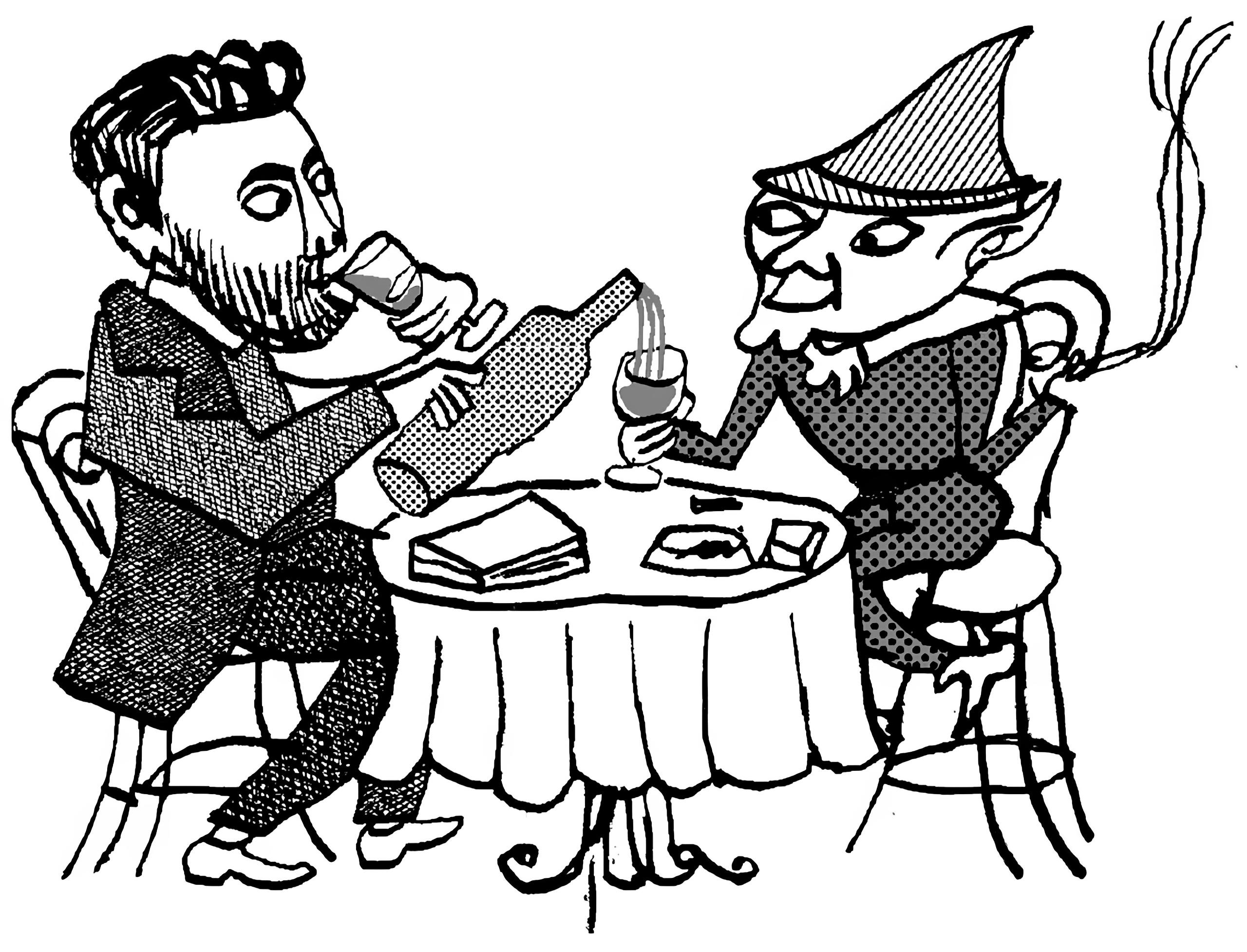
Like those who sought to appease Moloch, perhaps Stewart thought that by placing his children’s future on the line, he might make the fates look more kindly upon his chosen outcome. No such luck. In the moments after his panic, when the cameras were rolling, Stewart tried to justify the mistake. ‘I think I was wrong because I’m an optimist. You can align yourself with the worst instincts of humanity,’ Stewart says in the clip, visibly trying to contain his emotions. Cumbria’s very own Dr King had spoken.
Sellar and Yeatman famously described the English Civil Wars as a fight between people who were ‘Wrong but Wromantic’ and those who were ‘Right but Revolting.’ Contemporary Britain is filled with the farcical little aftershocks that echo – or sometimes self-consciously ape – the grand tragedy of the 1640s. Wrong but Wromantic seems to be how a particular generation of Tory politicians now want to present themselves. Stewart is their ultimate exemplar – the figure who best encapsulates this Carlton Club version of the Noble Wehrmacht myth – but other trawlers of the centrist podcast world include David Gauke, Anna Soubry and even, on occasion, Theresa May.
Bonaparte famously asked not whether his marshals were good but whether they were lucky. The same sentiment might be the only meaningful measure left for politicians in the Anglosphere. The basic argument made by these figures is that they were the ‘decent Tories,’ merely unlucky. Unlucky in that they didn’t realise what the Conservative Party was really like, unlucky in that they didn’t realise what Britain was really like. Unlucky because they were just too damn honourable.
Who the real Rory Stewart is has interested me for some time. Does the projection of the last chivalrous man in Toryism, the unfortunate anti-politician, perhaps the unluckiest of recent years, actually square with reality? The image that the Noble Tories try to project is a kind of deliberate gawkiness. From May’s attempts at dancing to Soubry poking at a depressed-looking chicken Caesar salad during the Change UK Nando’s trip, a sort of studied strangeness has become the visual indicator of their contempt for populism. Stewart can again claim to have borne away the bell in this regard, from his attempt to stay over in Londoners’ homes in the early days of the pandemic to the image of him straddling a bar stool like the bachelor uncle of a marionette during a Tory leadership debate.
Yet, for all the attempts to portray themselves as noble eccentrics in the aftermath of it all going wrong, it is important to remember that these were figures with immense political power. And that they had a great deal in common with the rest of the Conservative Party – be it Boris Johnson or David Cameron. Indeed, the abiding characteristic of the Noble Tories seems to be that they – like many people who suffer an imbalance between self-confidence and self-awareness, and like Johnson and Cameron in particular – cannot resist gambling.
Punting on matters like the 2017 election or the format of Brexit has been replaced, in dignified retirement, by gambling on the continued profitability of what we might call the Centrist Cultural-Political Complex: the idea that there is a limitless supply of people with time and money who are ‘a bit fed up’ of left and right, and need an endless stream of podcasts, popular non-fiction books and online think pieces to shore up their morale as the 21st century continues along its current trajectory. Of all the Noble Tories, Stewart has probably made the canniest gamble of them all in this regard, becoming a stalwart of the Goalhanger stable. But then, he was never as bad at gambling as he might like it to appear.