I don’t know if it’s to do with being profoundly entrenched in nostalgia during a year of lockdown, or just that I’m jaded with the PR-savvy Indian venues of today – but I’ve found myself thinking more and more about a restaurant that existed for about six years during the 1980s. I only visited it once.
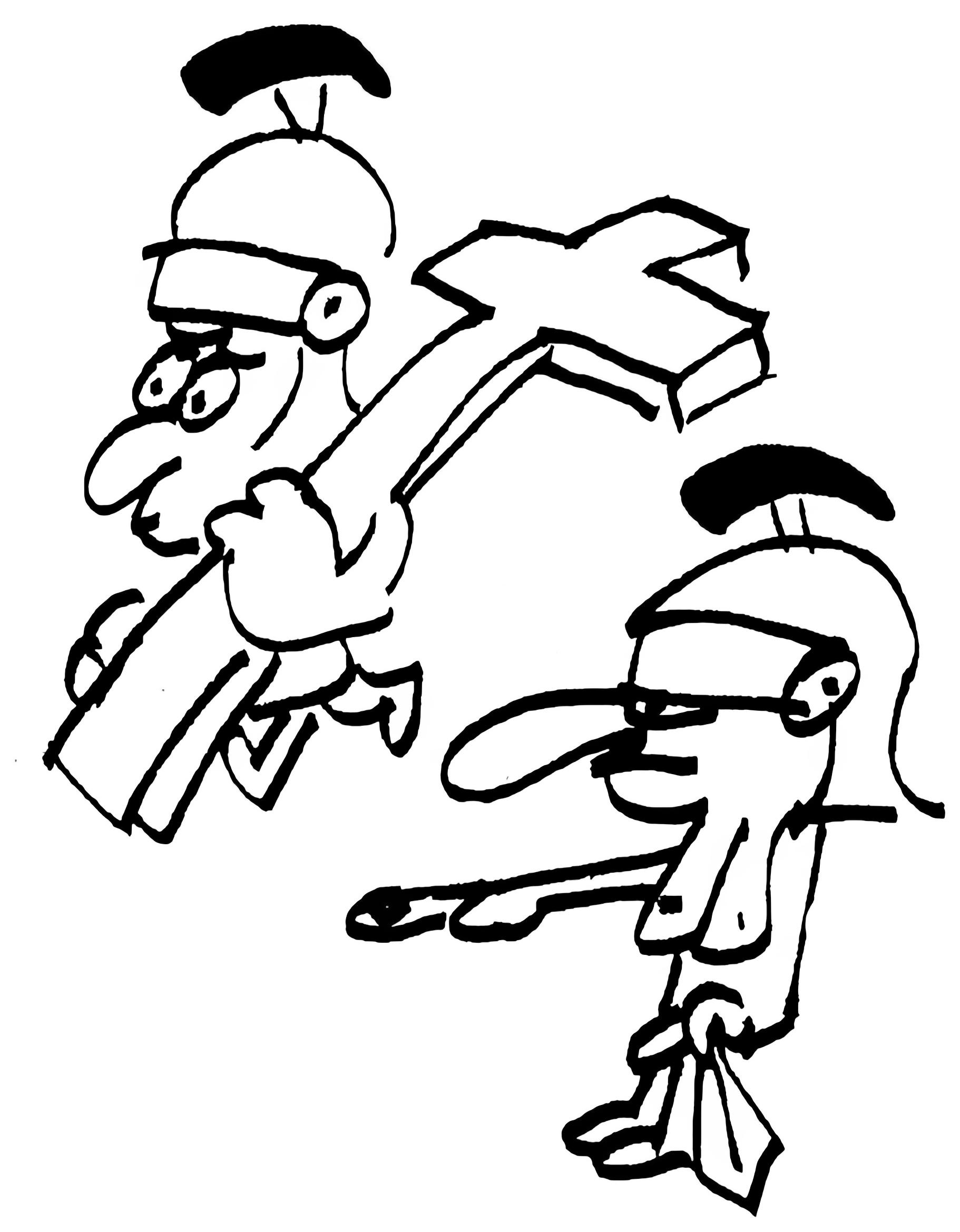
Memsahib was a neighbourhood Indian located at 22 Upper Richmond Road in East Putney. It was not on anyone’s radar – except for its funny, sarcastic and provocatively tongue-in-cheek advertisements in the Guardian. Between 1981 and 1987, it appeared in the classifieds’ ‘Epicure’ section, a small monochrome rectangular box with a decorative arch, underneath which there would be clever and witty one-liners that guaranteed a reaction.
Indian culture is laughably aspirational and ostentatious. This tendency, combined with the complicated psychology of the legacy of colonialism, has meant that Indian restaurants abroad have always sold a gilt-edged dream of India as an exotic country of maharajas, elephants and dusky maidens in bright jewel-hued clothing.
London’s first Indian restaurant, the Hindoostane Coffee House, set the tone by trying to lure in ‘the nobility and gentry’ with promises of ‘neat and elegant’ furnishings, hookah pipes with expensive tobacco and fine wines in its advert in the Times in 1811. Veeraswamy – today London’s oldest surviving Indian restaurant – continued courting a well-heeled clientele in 1926, selling ingredients under the brand name of ‘Nizam’ to the likes of King Gustav vi of Sweden, Winston Churchill, Charlie Chaplin and Jawaharlal Nehru.
London’s first modern Indian restaurants, which started springing up in the 1980s, carried on attempting to dazzle the wealthy, turning their dubious colonial décor of wicker chairs and potted palms into a talking point. Today’s more media-literate venues have kept up this glossy heritage of spinning a story: be it the myth of authenticity, the revival of some ancient ‘tradition’, or ‘family recipes handed down through generations.’
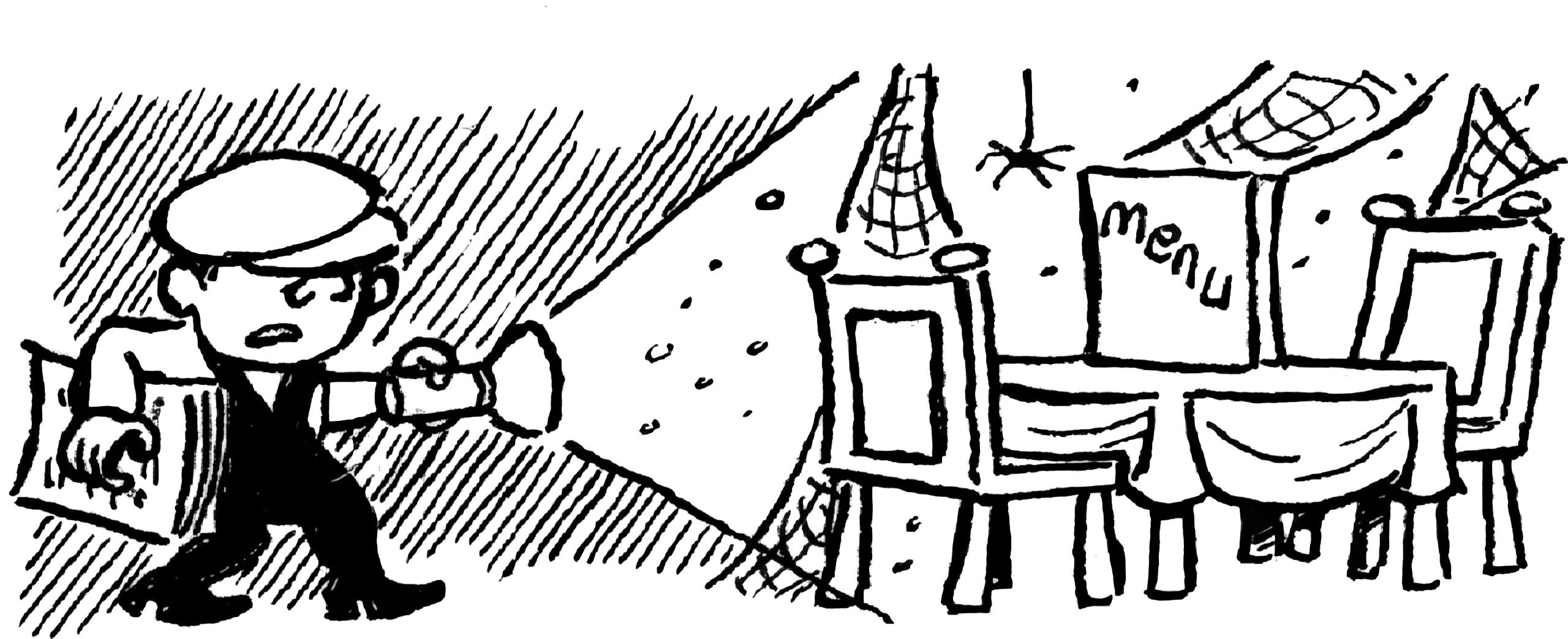
Memsahib did the opposite. It knowingly twisted these manufactured dreams into manufactured nightmares, deftly mangling the image that the average Brit would have had of India at the time, as a land of poverty with slum dwellings with flies. The 1980s were marked with fears about immigrants taking jobs and houses; with skinheads huddled on street corners shouting, ‘oi Paki!’ Memsahib turned this rampant racism into a sarcastic selling point with a series of eyebrow-raising adverts:
Can you imagine Indian restaurants of today daring to say anything like this, even ironically? Everyone would take it far too seriously, there would be a huge social media outcry, every person on Twitter would be offended, and the place would get instantly cancelled – leading to right-wing ‘opinion’ columnists droning on about freedom of speech. It would all end up a colossal mess.
Memsahib’s many other ads poked fun at inept staff, ‘slow’ and undiscerning diners, restaurant critics and Michelin inspectors continuing to ignore the place and the boringly conventional advertisements of rival venues. I’d love to see an obsequious, star-chasing contemporary Indian restaurateur coming out with: