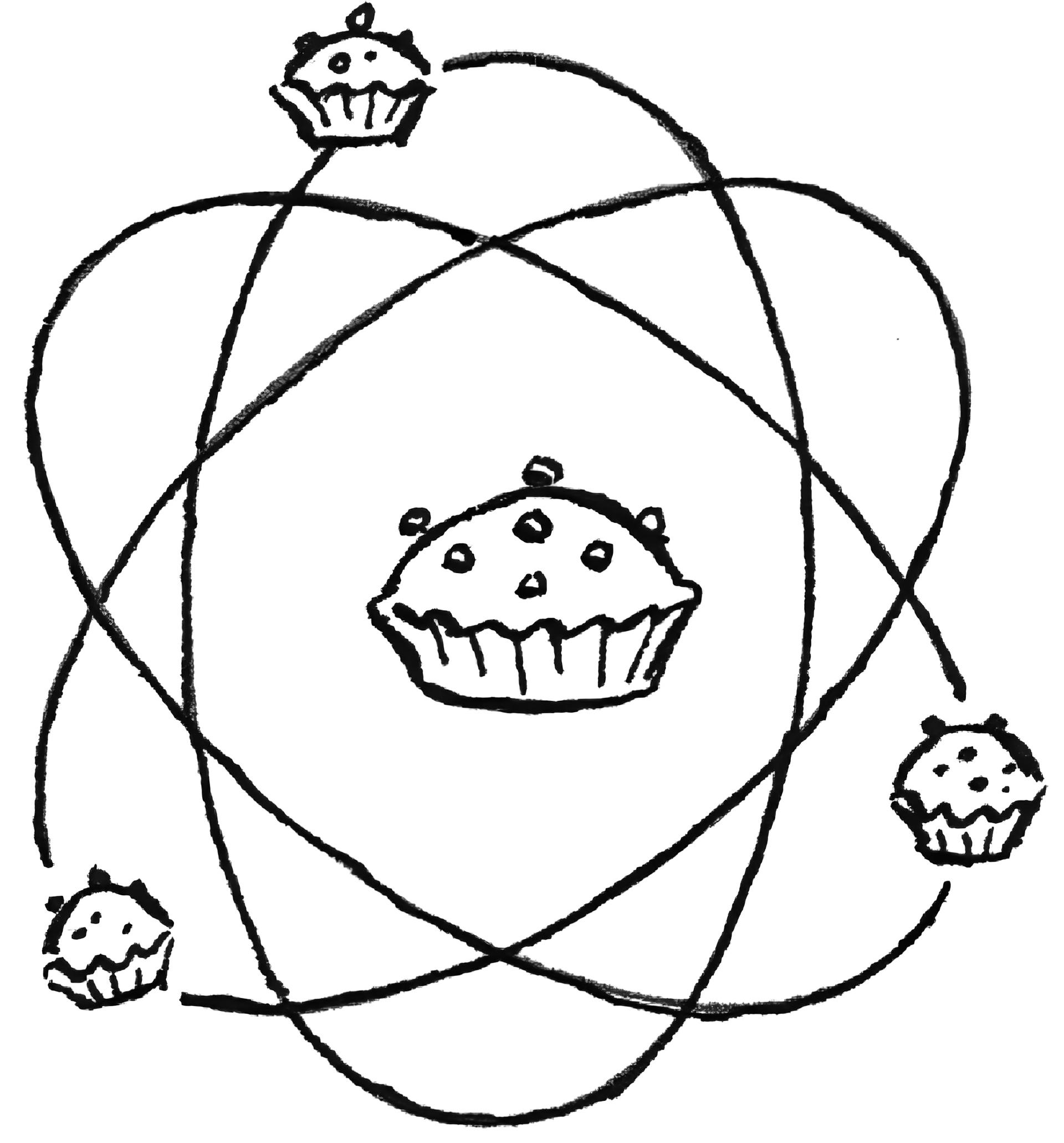
For some time, I’ve been fascinated by Ida Freund and her ‘periodic table of cupcakes’. These small cakes – decorated, unsurprisingly, with the elements of the periodic table – make regular appearances at public science events, like the launch of the Royal Society of Chemistry’s ‘175 Faces of Chemistry’ exhibition a few years back; and they once even featured on The Great British Bake Off. But I think they – and she – should be far more renowned.
A few years ago, well after the cupcake trend had peaked and passed, I was reading about these ubiquitous little confections, thinking there couldn’t possibly be anything interesting to learn, when Freund’s name appeared in a footnote. She was Britain’s first female chemistry lecturer in the late 19th-early 20th century, and the first to use food as a teaching aid. One of her students later described them as: ‘a very large board with the [periodic] table set out… The divisions across and down were made with Edinburgh Rock, numbers were made of chocolate, and the elements were iced cakes, each showing its name and atomic weight in icing.’
Born in Austria in 1863, Ida moved to England to stay with her uncle, a renowned violinist named Ludwig Straus, who sent her to Girton, the University of Cambridge’s first college for women. At 23, she graduated with first-class honours in the Natural Sciences Tripos course. This was a remarkable achievement, particularly as Freund’s grasp of English was elementary; she also had a significant physical disability, having lost a leg in a cycling accident in her youth; and she inevitably faced many hurdles in the male-dominated world of science education.
After graduating, she was first appointed chemistry lecturer at the Cambridge Training College for Women. Within a year, in 1887, she joined Newnham College as a ‘demonstrator’ (junior teacher) in chemistry. After three years she was promoted to lecturer, the first woman to hold such a position in the UK.
At this point she had to leave Cambridge to return to London to look after her ailing uncle, and to have a remaining part of her leg amputated. Three years later, though, in 1893, she was back in Cambridge; and later, she also travelled around Europe.
Freund’s return was accompanied by a succession of walking sticks and a snazzy new wheelchair, and she stood out by dressing in flamboyant clothes. She was a formidable, no-nonsense figure who experimented with various teaching techniques considered radical at the time. There are many anecdotal accounts found in A Newnham Anthology, a book about life at the college. One former student recalls, ‘Miss Freund reigned supreme… She was a great character.’ Another explains how the periodic table of cupcakes came about:
‘Every year before the Tripos examination [Freund] would summon her Chemistry students. In 1907 she urged them to go to a lab. They found large boxes of lovely chocolates with a different life-history and picture of some famous chemist in each. In my year we were requested to go and make a further study of the Periodic Table, which was the one made up of cupcakes.’
A supporter of the women’s suffragette movement, she was a prominent figure in the fight for the right of women to join the Chemical Society. Women were eventually allowed membership in 1920; but sadly, Freund died in 1914 following an operation before she could enjoy the fruits of her labour.