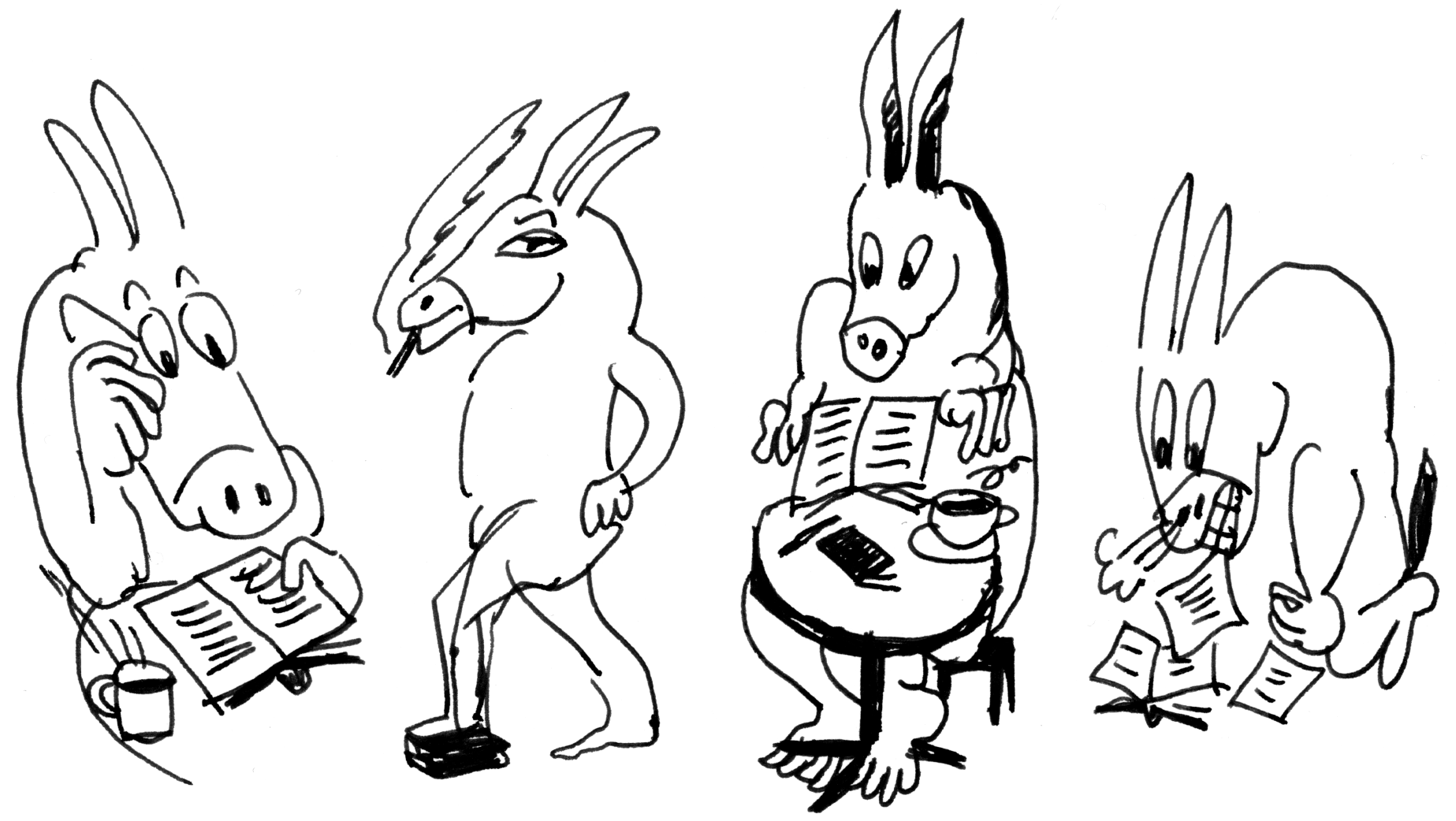

Working for oligarch Russians throws up some big surprises. Sometimes it just makes you throw up. But I suppose vodka does that anywhere in the world. I know how clichéd this might sound. But living in any new country is always an investigation into cliché. So, Russia – communism and oligarchs, caviar and bread, matryoshka and Kalashnikovs – a contradictory, immutable place. Nothing more contradictory than the oligarch: elusive and ostentatious, explicit and endlessly subtle, they are difficult to get your head around. I certainly didn’t. However, my time working for them gave me some insight into what life is like inside the curious world of Russia’s richest.
okna
Russian oligarchs are extraordinary for the fact of their swift rise. They are a sharp challenge to the egalitarian hopes many of us still hold for humankind. In the bun fight after Perestroika, there arose a grab-fest that had no time for the greater good. Those who got the most have kept the most, and this is looked on with a soulful fatalism by many of the working and middle-class Russians I met. Mal a dyet, they’d say. Well done them. The foreigner must adapt to their position in the new hierarchy. As a hireling to a wealthy Russian, you are definitely not on top, but as a middle-class European you are still considered worthy of some kind of respect.
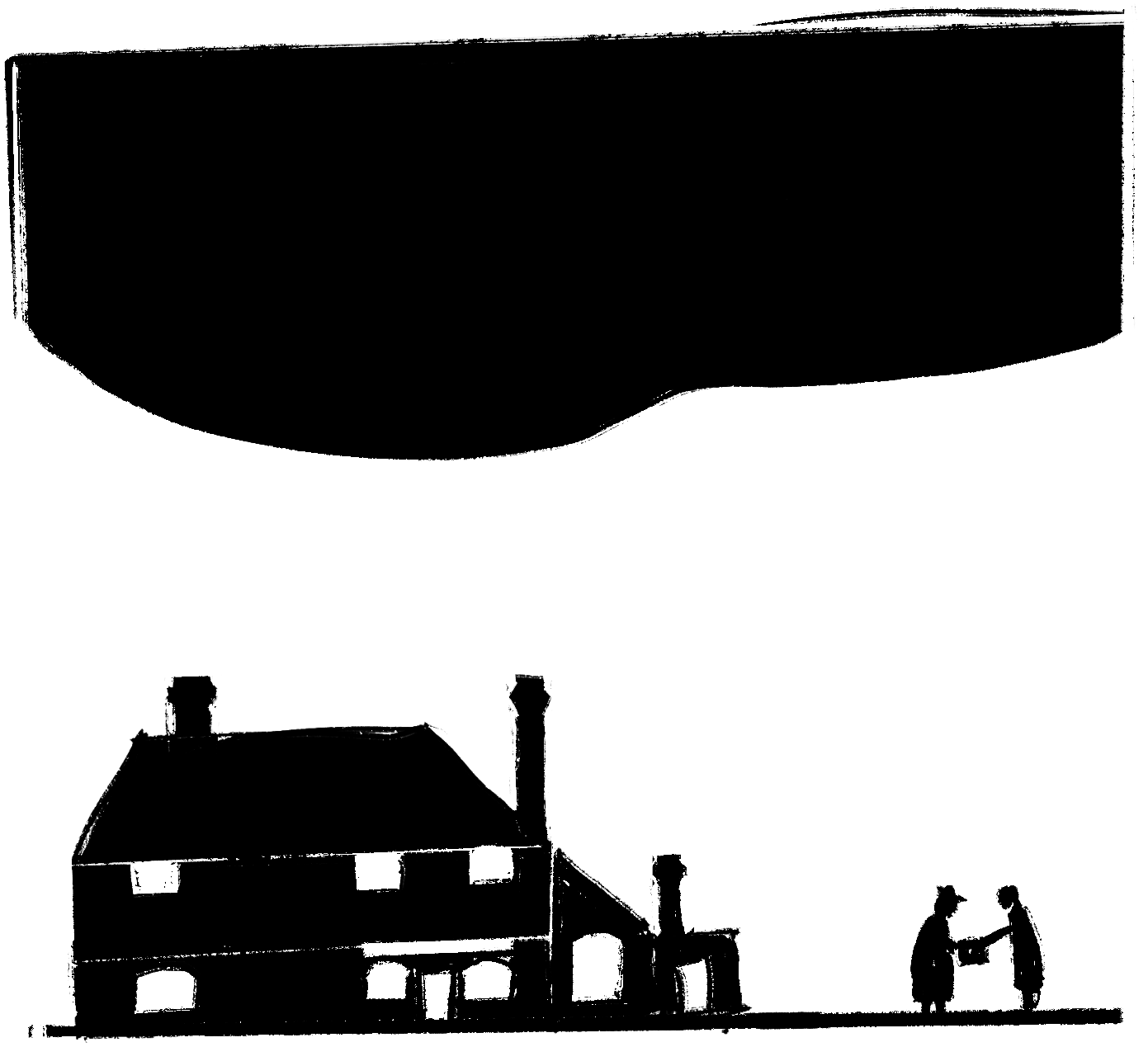
The hasty Babel-like erection of this new global model was perfectly illustrated by a summer stay teaching the children of a St Petersburg industrialist. Upon arrival, I was shown to my living quarters in the guest house. Inside a pleasant wooden building I was given a room with a huge window overlooking a pretty lake. This is not luxury, I was informed. But a nice normal house, for normal people. Next door to me the Russian nanny slept in a smaller bedroom whose normal-sized window looked over a wall. In the small flat above us slept the nanny and housekeeper from the Philippines. They had to stand on a chair to look out of their tiny windows. Above all of us, in a sweaty, windowless attic, slept the three groundsmen from Uzbekistan. Our pay was tied to our nationality, our status directly related to the size of our windows. It goes without saying that I was expected to work the least hours and was paid the most by far.
partye zhovotnaya
After arriving in Moscow to work for an arms dealer, I found myself at a family birthday party. I had been told this would take place at a smart local restaurant. Naturally, I was dreading the awkwardness of being a mute lemon at a family meal. Nothing could have prepared me for my arrival at a mini-version of the Vanity Fair Oscars afterparty. There was a red carpet, flashing photographers, music so loud that the children’s eyeballs were trembling and a troupe of dancers dressed as silver ants. This was my first proper look at the oligarch at play. The men wore the ubiquitous tailored shirt, rolled to the elbow to show off the muscled forearm and Rolex. Women were dressed for a sophisticated ballroom dancing competition, professionally made-up faces giving some blue steel. I was wearing a dress that was deemed ‘nice’ according to my eight-year-old pupil, but decidedly ‘not beautiful’.
Upon arrival, I was shown to a table to sit with the family, including the stalwart Soviet grandparents. Awkward small talk (I spoke little Russian, they little English) was soon ameliorated by several flasks of vodka. Plates of food kept being put on the table, and I politely ate my fill of creamy Russian salads, salty cheeses and smoked fish. ‘You must not eat too much,’ someone said to me. ‘We have not started the meal yet.’ I put my pickle-loaded fork down and looked at him in confusion. As if on cue, waiters surged from the kitchen carrying a trawler’s worth of seafood. ‘Just have a taste and then move on to the next,’ a stolid matron informed me, after seeing me struggling with a lobster claw. Indeed, she was right. No sooner had one course arrived then a tidal sweep would occur and the next would take its place. Fish, fowl and mammal all emerged in every style imaginable. I soon stopped trying to eat. This was a meal that made a statement far beyond food. Another time I sat in an Italian restaurant and watched an employer order two of everything on the menu.
tosty
There are many toasts at any Russian party. Vodka is served in glass flasks and downed like water. It creates a robust drunkenness that is always fortified by snacks. As I watched the glasses raised and solemn toasts uttered, I was occasionally reminded of the story of a diplomat about to have dinner with Stalin. He was advised by his aides to eat a pat of butter before leaving the embassy. The dinner ensued and to Stalin’s confusion the diplomat managed to remain standing despite all the vodka and toasts. He just about managed to say a polite goodnight before making his excuses and escaping to a loo to be sick. Thankfully, I never had to resort to butter, as being a woman, I was expected to stick to champanski. The men drink and sing and sway, while the women mince and pout.
govoryashchaya chush
As most people know, Russians do not mince their words, and teaching Russian children English really highlights the amount of utter guff we speak. ‘Excuse me, would you very much mind handing me that pencil… thank you so much’ literally translates as ‘give me pencil’. This is why English people think Russians are rude and why Russians think English people are a bit wishy-washy. One child I taught actually corrected me when I complimented her work. ‘This is not good work,’ she said, looking at me as though I were an idiot. ‘I did not try at all.’
straniya dynamika
My friend’s young charge was quite a tricky child who had managed to reduce all her previous teachers to gibbering wrecks. Every morning, my friend would arrive at work to join the family for breakfast. The mother would be making pancakes (she didn’t actually prepare the batter, just ladled it into the hot pan) wearing a revealing silk mini dressing gown, watched over by her father-in-law. ‘All very weird,’ my friend reported. The mostly absent husband eventually left the beautiful pancake-ladling wife for a young Azerbaijani girl. ‘Very fat,’ I was informed by another employer who knew the family well, ‘and from Azerbaijan,’ she sniffed, as she made a face like she’d found something unpleasant in her Chanel handbag.