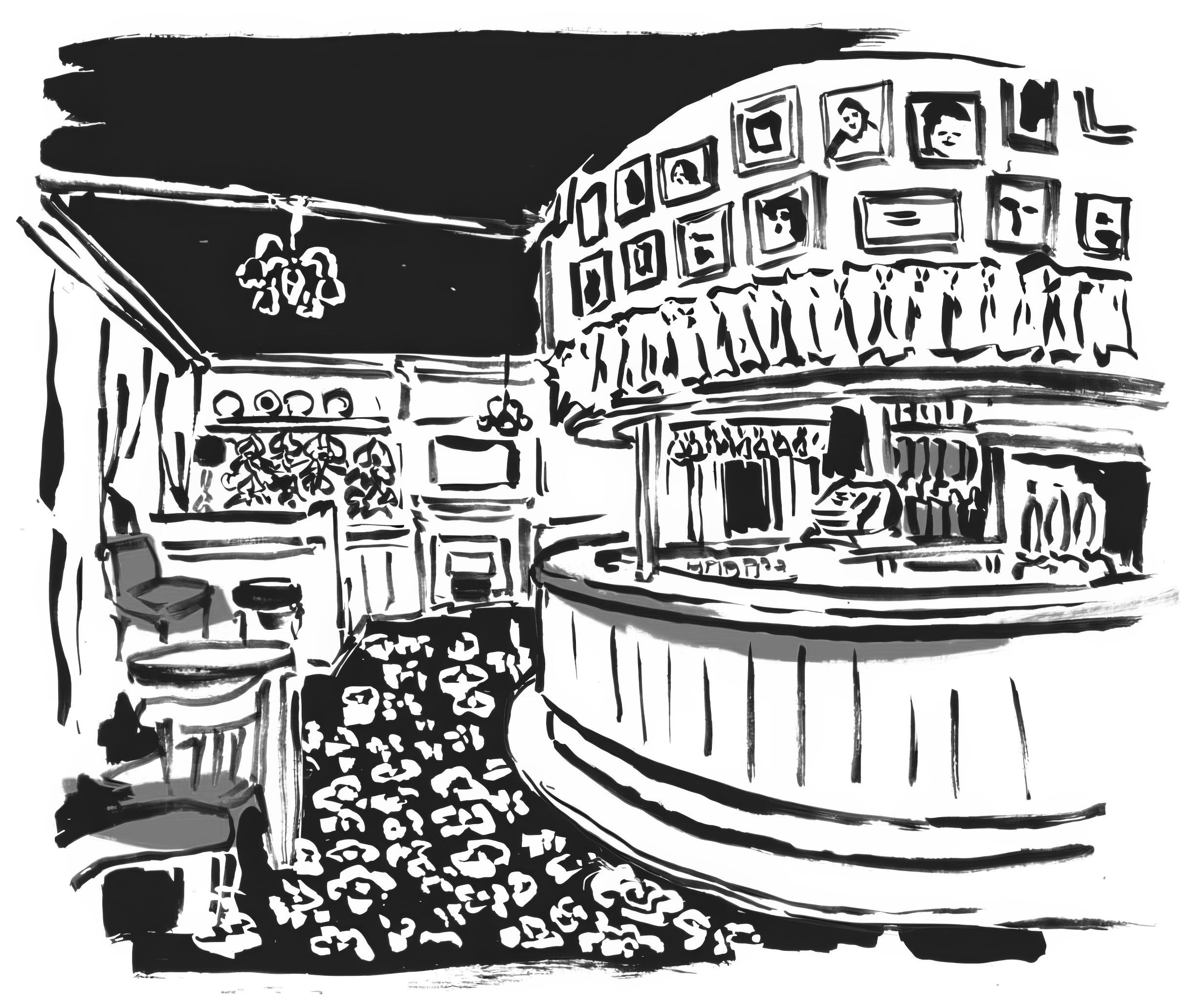
As I stooped down the narrow passageway of Ye Olde Cheshire Cheese, I could almost have tricked myself into believing that I was in a minor Graham Greene novel. This pub has, after all, been a meeting ground for secret agents and literary giants for centuries, unchanged in design and décor since 1667. The only thing spoiling my illusion was the clientele: a flood of distinctly un-clandestine American tourists, decked in the merchandise of whatever college they’d attended.
I was here to meet ‘The Colonel’, not just a run-of-the-mill colonel but someone who was always referred to as The Colonel, and the leader of a bold new start-up named ‘The Mozart Group’. Based not in the world of AI, crypto or kombucha brands, but the industry of modern warfare, they believe this to be a sector that is getting a long-needed revamp. Their elevator pitch goes thus:
‘Due to their special forces make-up, The Mozart Group is agile, integrated and expeditionary in nature, and designed to operate where other NGOs cannot. They are an unarmed, elite group of American-led special forces with a strong British contingent of expertise. Mozart is not a mercenary outfit or a traditional private military contractor, it is a pioneering idea: not to chase post-conflict contracts, or to engage in combat on the field – but to take the oppressors of the world on morally, ethically and professionally.’
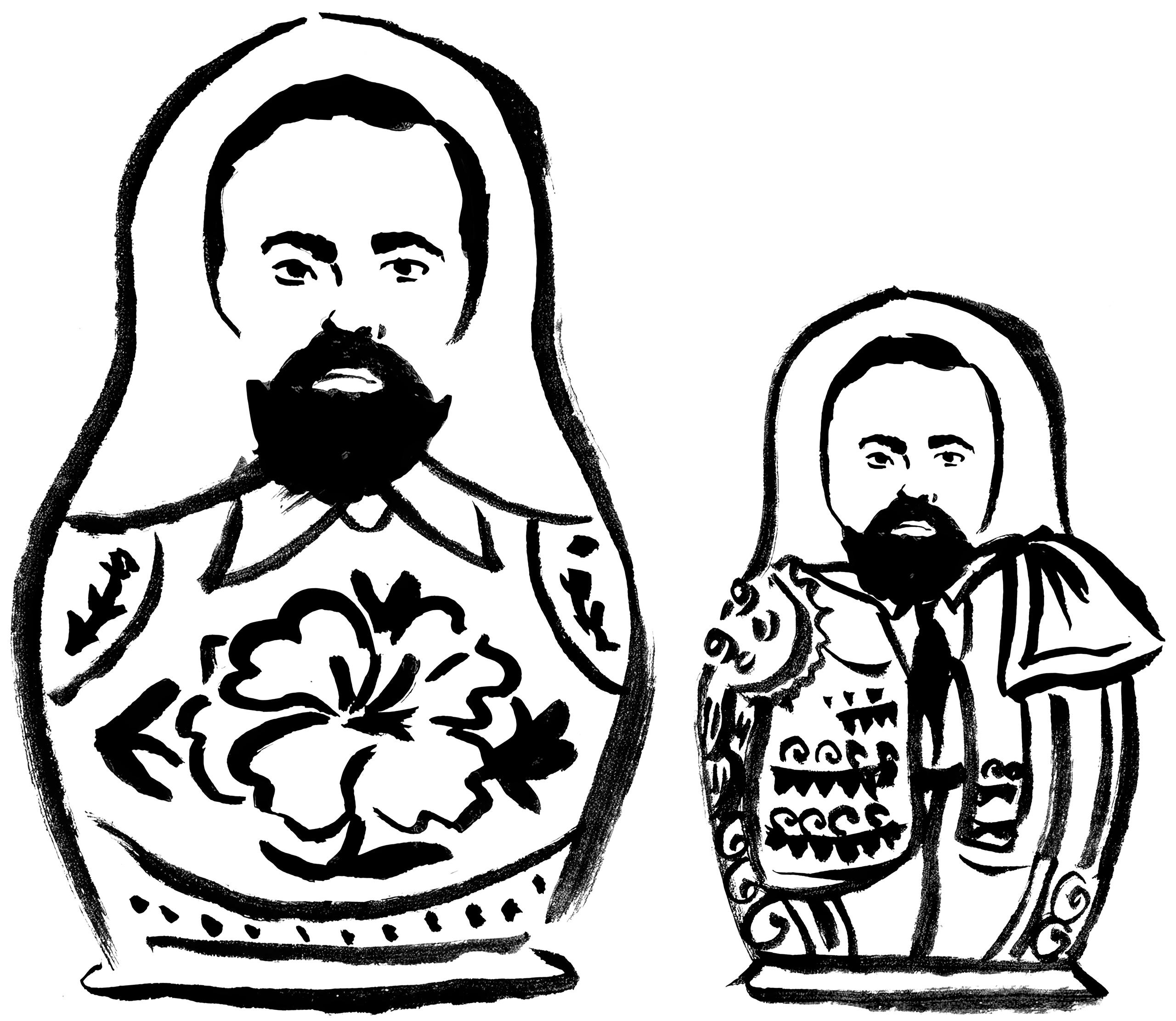
In a world where perception and brand positioning are everything, why shouldn’t mercenaries rebrand themselves as altruistic and ethically minded interventionists? Warfare itself may now be asymmetric, but adhering to the algorithm of social media platforms is a new art of war. Mozart were adamant that they weren’t to be the western foil to the Russian-sponsored Wagner group – they were moral, they were different, and fancied Wolfgang an altogether classier breed of composer to boot.
It was my turn to order a round of pints for myself and the other characters who had been called to this audience with The Colonel. There was the man who had invited me, Christopher. He was short, dressed and sounded like Blighty was still at war with the Huns and was equipped with an umbrella-cum-walking cane. He was almost certainly the reason we found ourselves in this particular establishment, as a fan of a ‘proper pint’ in a ‘proper watering hole’. There was also some sort of academic (I believe he was a professor who specialised in munitions and explosives) and two other forgettable middle-aged soldier types who seemed to talk exclusively in acronyms.
I had just finished divvying out the drinks when I was beckoned to meet the main man formally. Colonel Andrew Millburn had one of those old-timey transatlantic accents that seems to have disappeared, largely preserved in public consciousness by old clips of Orson Welles. Colonel Millburn, I was surprised to discover, was actually British – he had attended the prestigious St Paul’s boys school and then studied law at UCL, before enlisting as a private in the US Marines. It was from there that he worked his way up; being commissioned as an officer from the ranks, he was even the man selected to lead the mission to defeat ISIS in Iraq, before retiring in 2019.
He offered me a firm handshake, a warm smile and the pleasantry of being ‘most welcome’. I was slightly disappointed, in truth, that he didn’t have any of the obvious eccentricities or accessories one might expect from someone in his position – there was no eye patch and no wet-shaved scalp. The only overt hint to his profession was his hair: he had the sort of square haircut that gives the distinct silhouette of a Lego figurine.
As I took my seat on the other side of the table, the meeting began. Colonel Millburn, fresh from an extended trip on the ground in Ukraine, gave us a little speech. The bad news was two-fold: firstly, The Mozart Group was burning $100,000 operating with more than 40 personnel, and secondly, due to mounting casualties, the training situation in Ukraine was becoming unsustainable. This, however, presented the good news: opportunity. The Mozart Group was the only NGO positioned to be able to carry out the vital work needed on the frontlines, only they could deliver the core skills required for rescue operations, medical operations and full-scale training of Ukrainian troops. The Colonel continued: Mozart is not just another private military company, it is a new concept and a noble one: to take the oppressors of the world on via ethical means as the most elite group of non-state, volunteer and unarmed soldiers in the world. The details of how, exactly, this was to be achieved remained somewhat unclear, but it certainly sounded pithy.