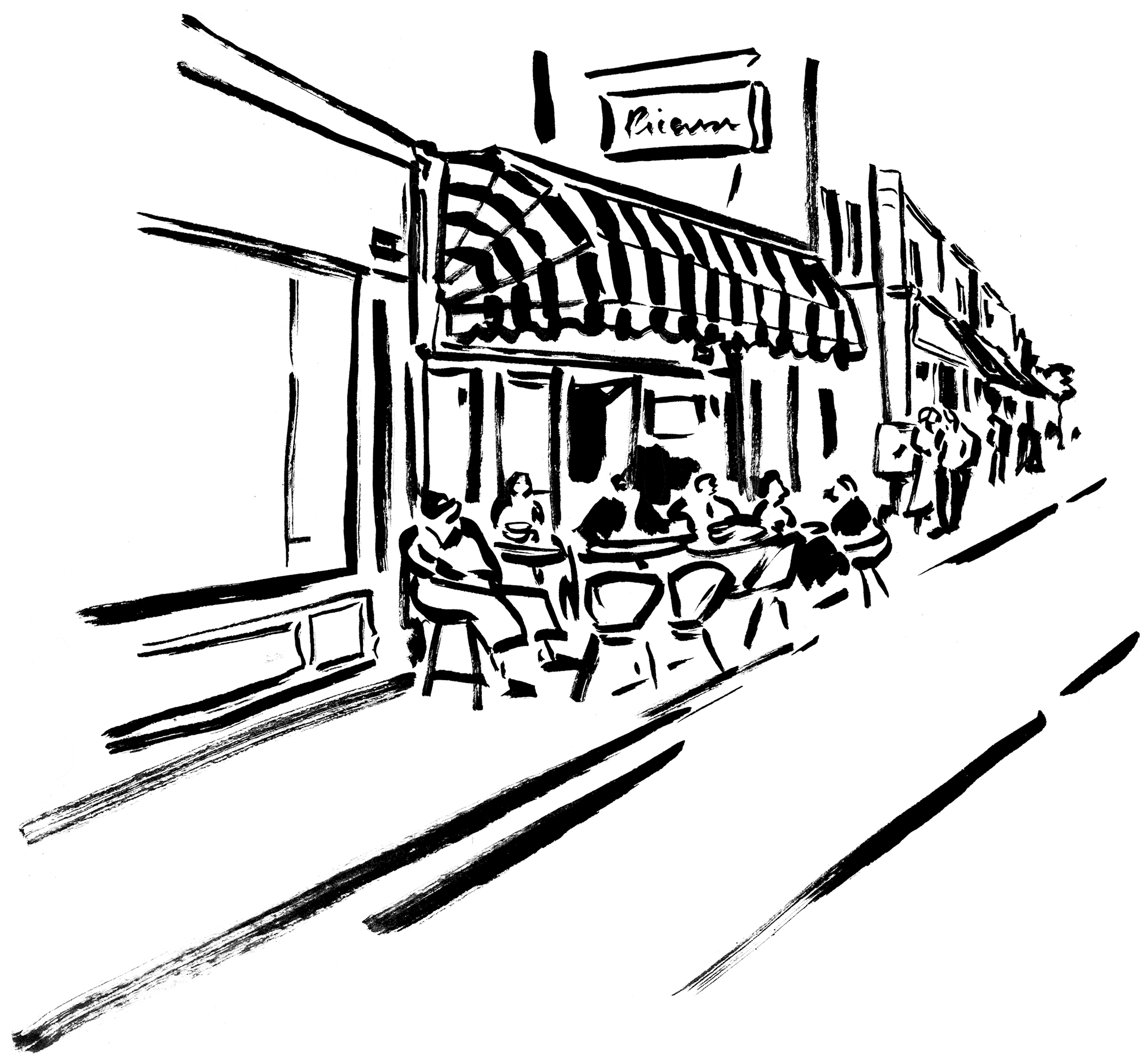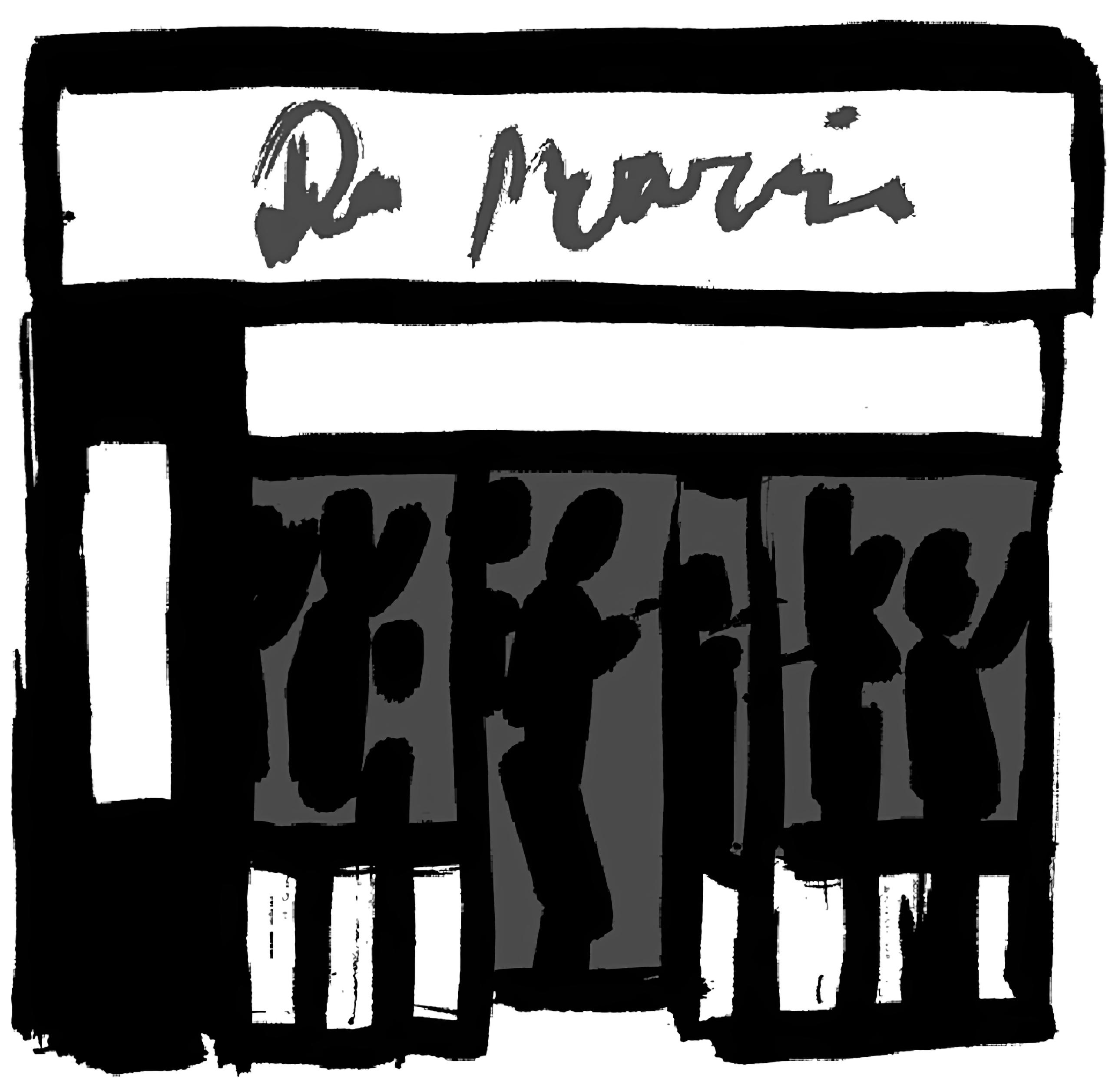
It was a frigid, grey January morning in 1989 when Abdul Basit made the chance celebrity sighting that would change his life. The story of how it happened has been repeated so many times in the years since that it’s become a legend in itself. He was preparing to begin another unremarkable day, getting ready to launch his new business, an unassuming little café tucked away in that part of west London where Notting Hill meets Bayswater Road. And then he saw her: the People’s Princess, making her way up the half-mile long private road towards her Kensington Palace.
The exact details vary over four decades of retelling; sometimes the Princess is with a young William and Harry. Sometimes she’s alone. Sometimes she’s flanked by personal protection officers. The outcome is always the same: the Notting Hill storefront that was set to be Café Abdul became Café Diana, and the legend grows from there.
Café Diana supposedly became one of the late Princess’s regular haunts, and decades after her death tourists still come from all over the world to visit it. Over the years the walls became plastered with framed pictures of Diana, the menu reinvented in her honour (in her lifetime there was a ‘di-licious’ Diana Special Chicken Tikka, today a section of the menu is named ‘Diana’s salads’ and another ‘Diana’s specials’, featuring fish and chips, jacket potatoes and lamb koftas). You can have an ‘American brownie’ or ‘cans’. You can have ‘soups’, or, that notable favourite of Diana, Princess of Wales: ‘plain jacket potato’.
On the café’s Instagram account, as much a tribute to Diana’s archival fashion as it is an advertisement for the café, breathless fanatics share their love for Lady Di. ‘I was in your café, on September of the last year’ one comment reads. ‘Speechless. A magic, special, wonderful world, where our princess is alive everyday.’ One employee, Fouad, told a newspaper a few years ago that Americans were ‘completely mad’ about Diana. That they came in and cried. ‘It’s been 20 years,’ he said. But even he wasn’t immune to the Dianamania that still thrives in west London: ‘For me, sometimes I think she’s still alive,’ said Fouad. ‘I see her more than my family.’
‘Let me explain to you,’ Abdul says, when I finally get him on the phone to ask about the café’s odd magical appeal. Abdul is a man who’s hard to track down. When I call, he’s always nebulously busy, or at ‘meetings’. He tells me to call back, and when I do the connection is bad. He wants me to do my research first. He wants to know if this is for an article or a film. He wants to know how long I’ve been a journalist.
‘Which magazine, newspaper?’ He wants to know.
‘The scent? The scent of? Are you magazine?’ Yes.
‘Wonderful where are you based?’ Soho.