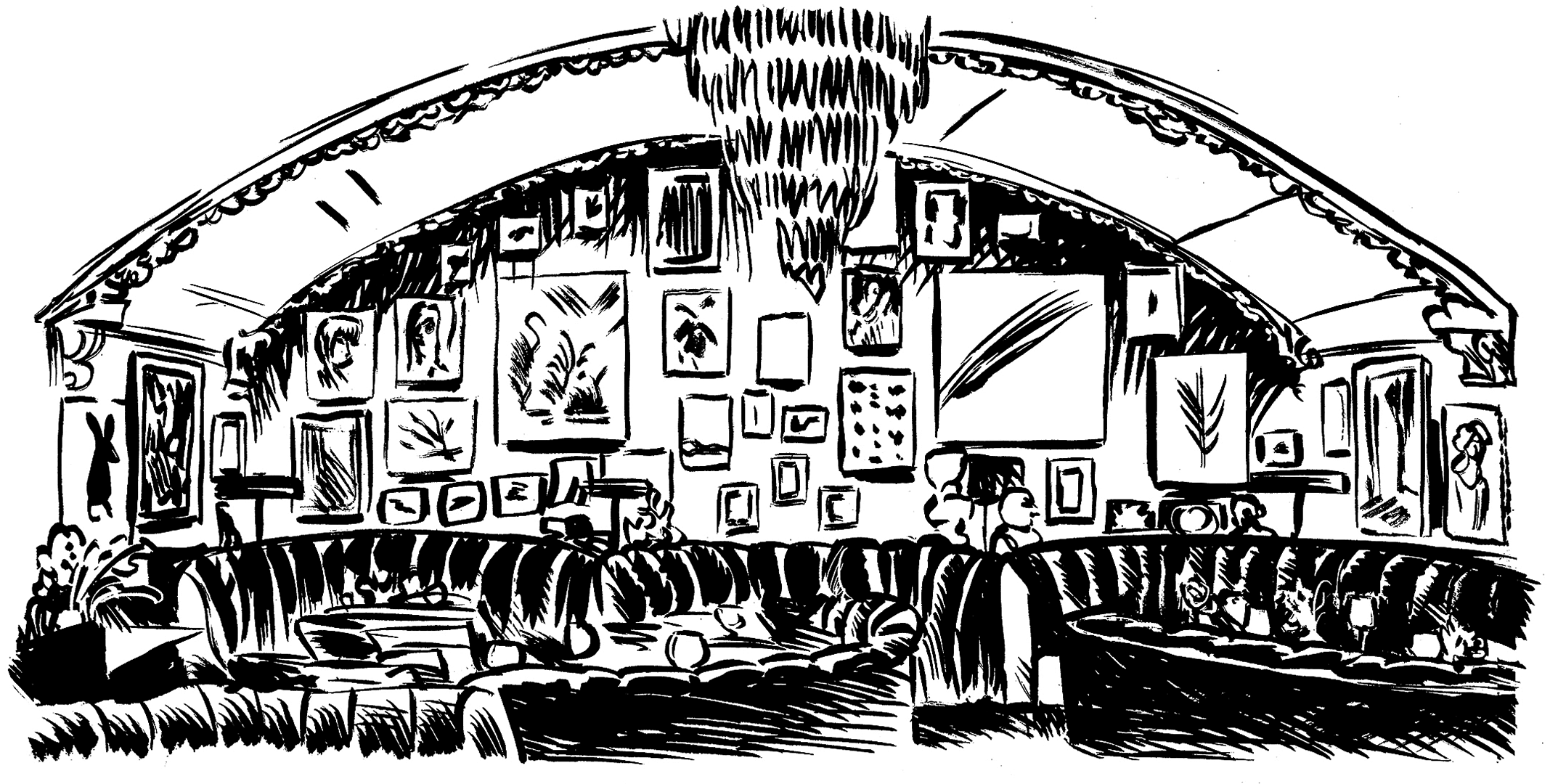
Months after he had opened Gary’s Place and on a flight back from a much-needed break in Thailand, Gary Fairfull happened upon a list in Vogue of the ‘50 coolest places in the world’. His home – a gritty rented third-floor flat in an otherwise unloved corner of east London – was at number 27. ‘He said, “Oh no, that’s blown it,”’ remembers Simon Crabbe, a friend and DJ at Gary’s Place. ‘But then he said, “hang on, how many Old Bill actually read Vogue?”’ None, he imagined. ‘Fuck it, I’ll carry on.’
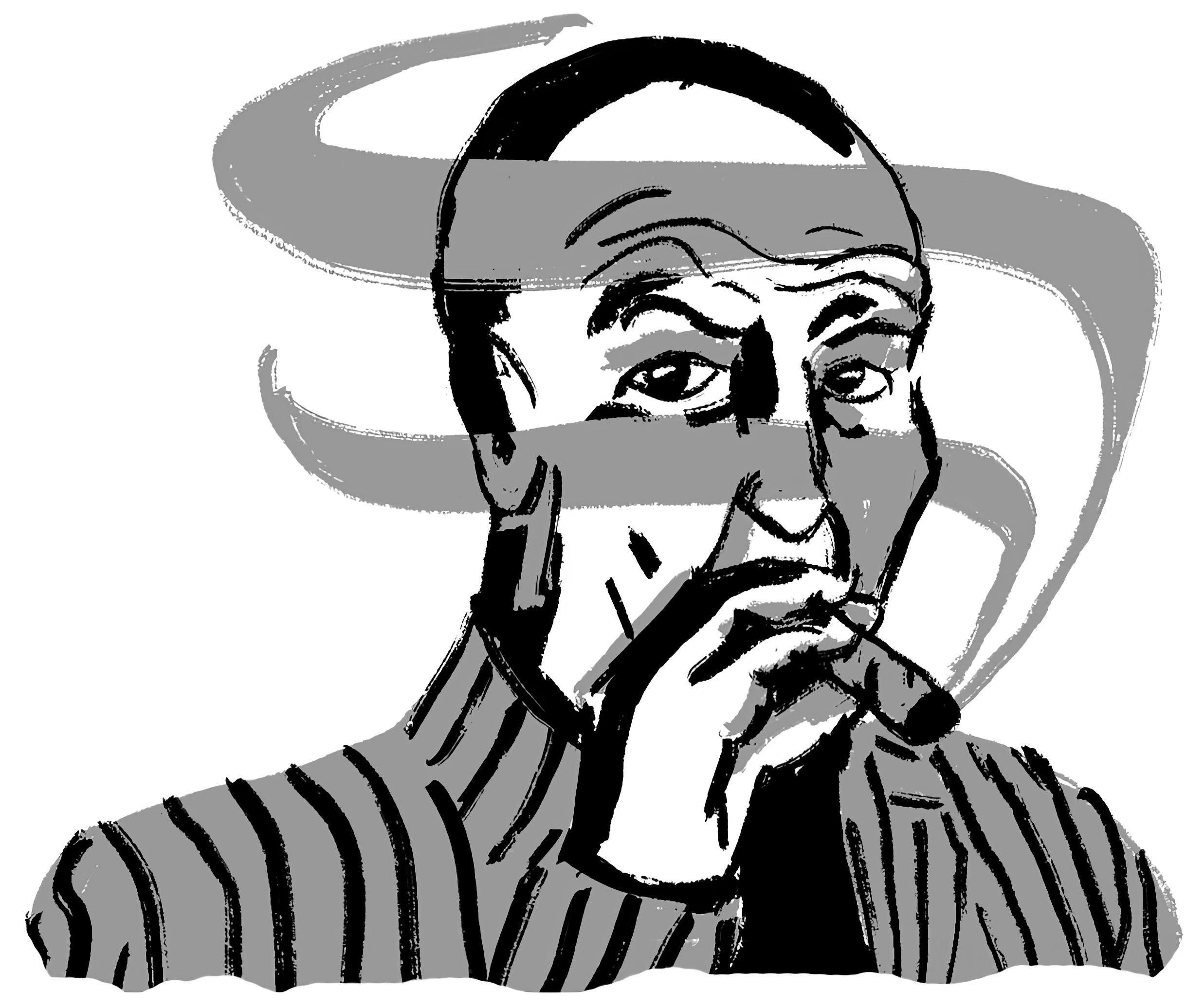
Gary Fairfull, for the uninitiated, was the man who invented Shoreditch. I met Gary somewhere, sometime in the early 90s – very few of us can remember exactly where and when they first met him. He was my friend, and my first business partner. About five foot ten, with naughty eyes and the cheekiest of grins, when he first dropped round to my flat, my girlfriend took me to one side and said, ‘Who is that Greek God?’. Charming, irrepressibly mischievous, almost indomitable: I had never come across someone quite like Gary.
He was an internet entrepreneur before there really was an internet, a hustler and a connector of people. On moving down to London from Glasgow, he attended South London Polytechnic, running the student bar – and also a profitable side-hustle where, having chummed up with the nerdiest boy in the year, he sold exam answers to the students propping up his bar. A classic Gary play.
Out in the world of work, he spotted more opportunities. Hanging around Soho with the ad-men, Gary noticed that none of them had a clue whether their ads had actually been shown in the regional broadcasters they’d been sold to (Granada, Anglia, Grampian, etc). Sensing an opportunity, he rang up assorted Age Concerns around the country with the following proposition: ‘If I provide the Betamax and videos and pay the postage and packing, might some of your “people” do some video recordings?’. The charity staff, eager to get their hands on a Betamax and entertain their oldies, signed up for the scheme. At a stroke, all the adverts screened across the country were duly recorded and returned to Gary, and the ad-men didn’t even have to venture out of Soho to see them – he had essentially built the first national clippings service, and could charge otherwise clueless agencies for admission. At the end of the 80s, Gary sold the business to Robert Maxwell, one of the last deals Big Bob did before ‘falling’ off the Lady Ghislaine. By the age of 26, he was a millionaire, but he wanted more from life.
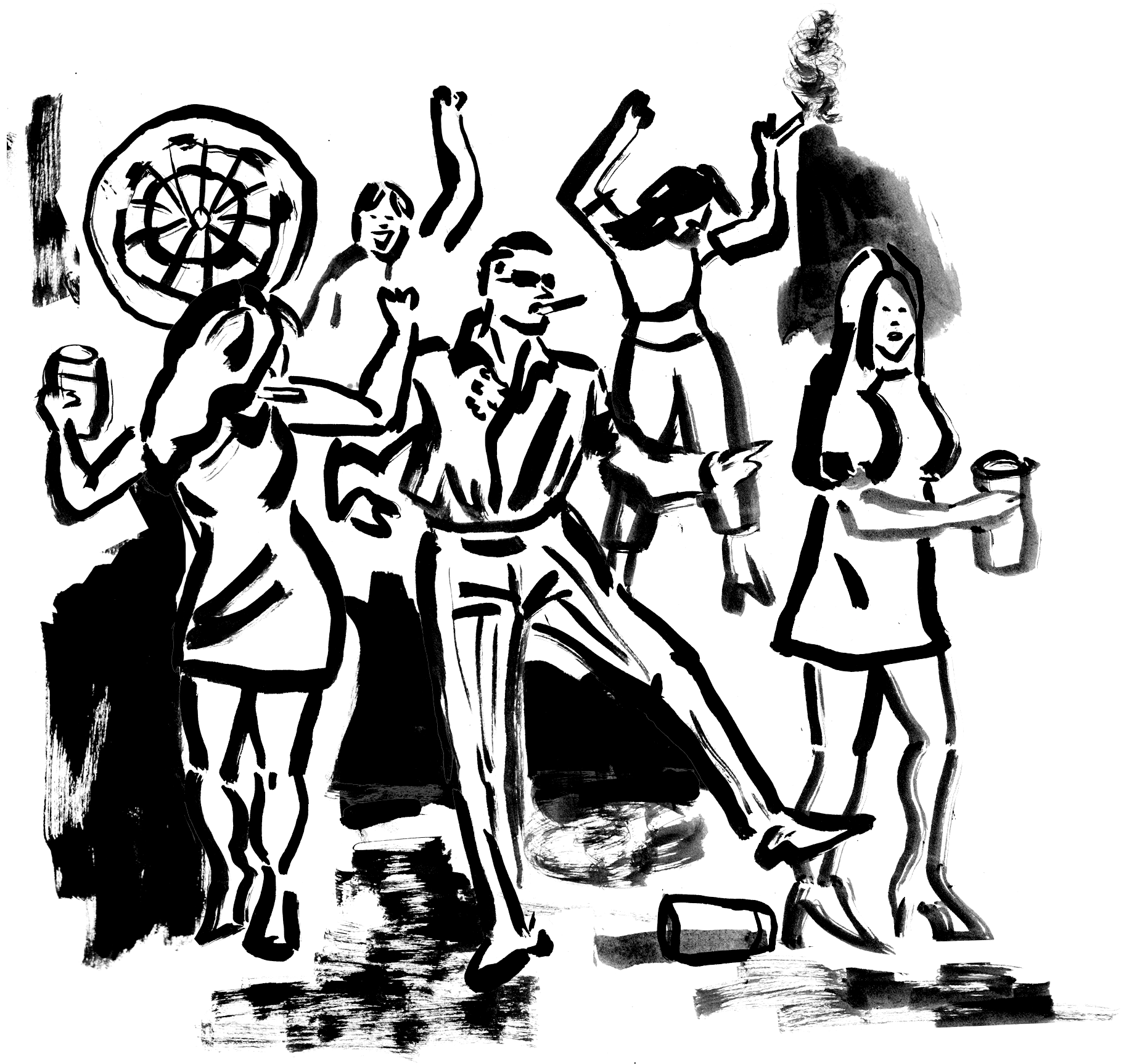
For 30 years of work and friendship, we tilted at windmills. I was his sidekick, the I to his Withnail, as we tried out bright idea after bright idea. It was in the days before WeWork, so we operated from any pub with a darts board and chalkboard: Gary doing the numbers on the board, me doing the words with pen and napkin and every meeting being concluded with Gary saying, ‘and we haven’t even begun to think about America’.
We had a scheme to bring BT and the BBC together, putting set-top boxes in every household before Rupert Murdoch and Sky could fully reach them. BT would control the medium of television in Britain, the BBC could keep collecting everyone’s license fee under threat of cutting their service for non-payment – BB&T (British Broadcasting & Television) would become the biggest broadcaster in the world, or so we thought.
We were into e-sports before there were e-sports, having a series of meetings in the 90s with increasingly junior members of Nickelodeon during which Gary and I both talked a lot, and on exiting, somewhat perplexed, would say to each other ‘they’re not getting any smarter, are they?’
There was the ‘closer’ meeting when Gary was revealed to be two decimal places out on his projections and immediately riposted: ‘See it as less of a Trojan horse project and more of a Trojan pony.’