On the morning of 16 May 2011, James Ketchell was standing on the top of Mount Everest. At 8,846.86 metres, he could see down onto Mount Lhotse, across the Himalaya and into China. The world below him was so far away, so expansive.
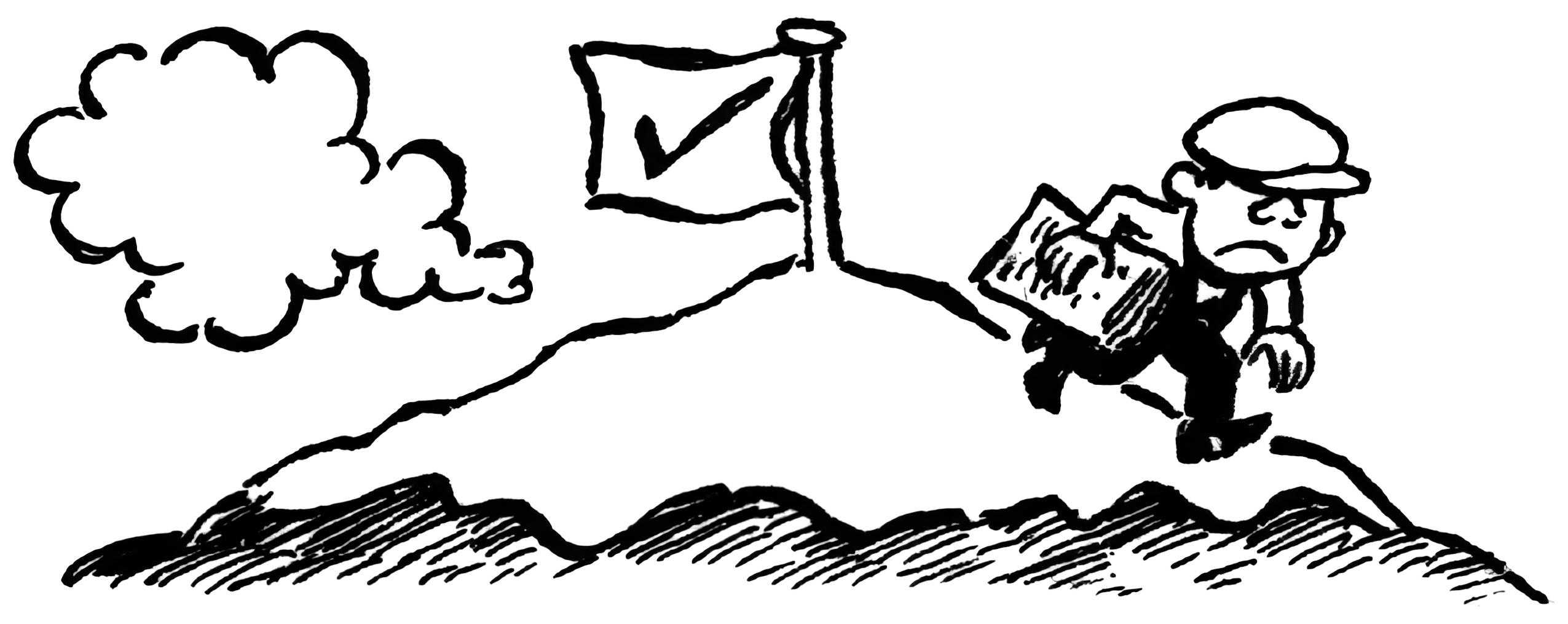
Ketchell was the last person to summit that day, along with Dorjee, his sherpa. The sun was shining in a cloudless blue sky, with only a light wind, as Dorjee radioed down to Base Camp to say that they’d made it. He sat down, before taking the obligatory photos: one squinting into the sun, beard crusted with ice; another waving his sponsor’s flag.
Ketchell, then 27, had come to Everest after narrowly surviving a motorcycle accident in 2007. Facing a year of recovery, he needed a challenge to aim for. Naturally, he decided to row the Atlantic in 2010 – rowing 12 hours a day for 110 days – before taking on the highest peak in the world. He’d given up his job, sold his belongings, moved back in with his parents in Basingstoke, trained for more than a year and raised £28,000 for the expedition. Now, finally, he was at the top.
‘To be honest, it wasn’t this “yahoo!” moment. I was utterly exhausted and just knew I needed to get back down,’ says Ketchell, who was struggling with the lack of oxygen. ‘You’re only halfway when you’re on top. Most things go wrong on the way back down.’ And that was it. After 15 minutes at the summit, James headed down the mountain.
Stories of Everest tend to focus on the push for the summit – it’s the selfies at the top that attract sponsors, that make their way into the global press.
We talk of climbing or ‘summiting’ the mountain, as if it is the only part of the journey. My question is: what about coming down?
‘The worst part for me was coming back down,’ says Ketchell. ‘I didn’t actually know if I was going to get down or not.’ More than half of fatalities on Everest happen on the descent, when climbers are fatigued and suffering the effects of altitude – a consequence that Ketchell, still having difficulty breathing, was fully aware of. ‘Gravity has a terrible habit of pulling on you… If you don’t clip in and you slip, you’re dead.’
When Ketchell arrived back at Base Camp, still wheezing, he knew there was a problem. He was prescribed a sedative for the journey home and before he knew it, he was back at Heathrow, not fully aware how he’d got there. After asking for assistance at the airport, he was taken directly to the hospital, where he learned that he’d caught pneumonia.