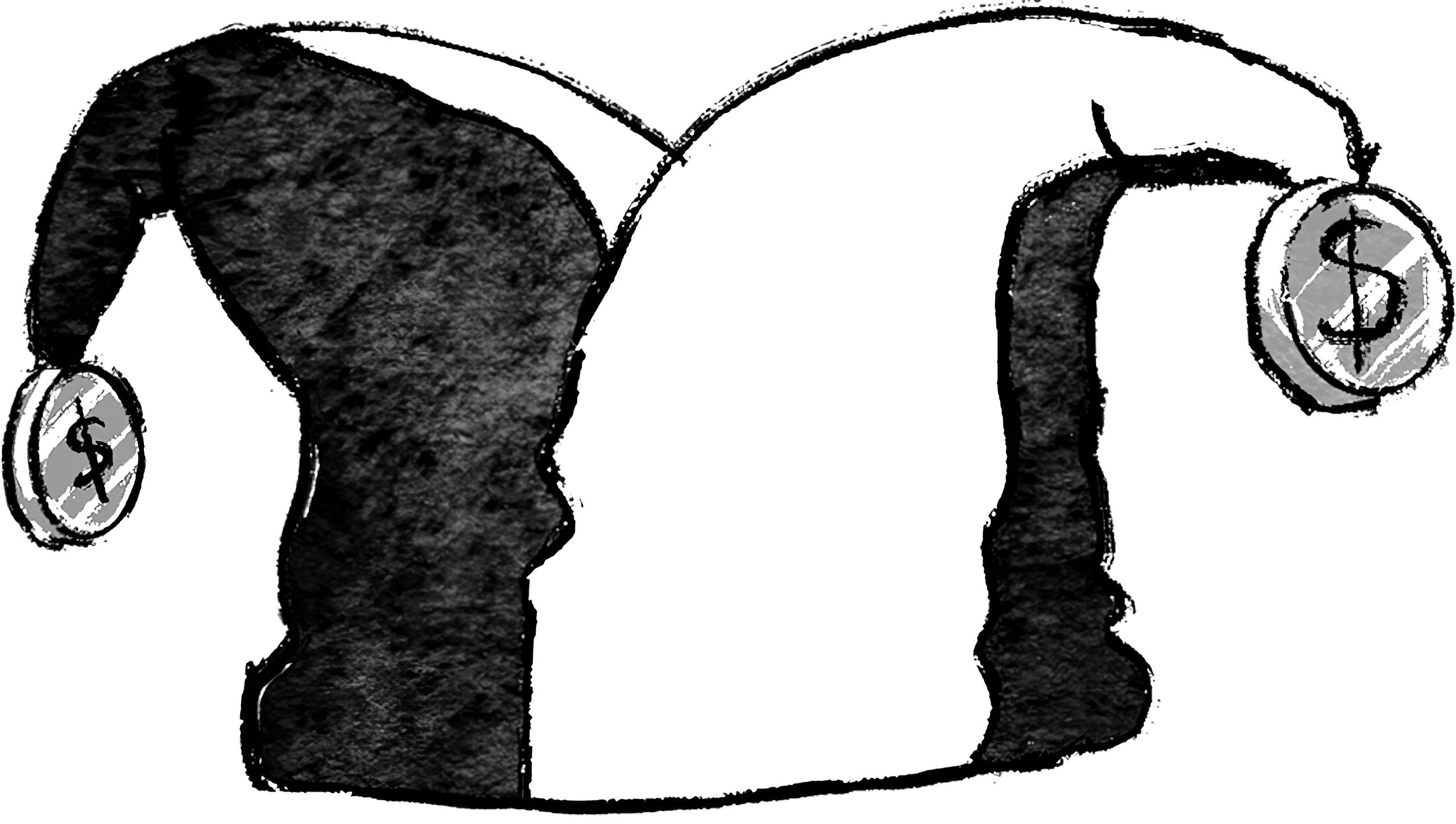
Jesse Dean Bogdonoff has been many things – proponent of orthopaedic magnetism, star financier, solar installation salesman, spiritual explorer, alleged fraudster, Buddhist devotee and saxophonist. But the peak of his fame came in 1999, when he was appointed to the Tongan royal court – as its jester.
Tonga is a distant and unfamiliar place. In December 2021, it was the site of the largest volcanic eruption in the word since at least 1883. But you’re fine if you haven’t noticed, because not many have. When Tonga has made the headlines, it has typically been for the eccentricities of its kings. In 1976, the Guinness Book of World Records named Taufaʻahau Tupou IV, who would appoint Jesse, the world’s heaviest monarch at a redoubtable 209 kg. His son, Prince Siaosi (who would later become the incumbent George Tupou V), made headlines for his aspirations as a film-maker, musicologist, and communications developer.
Tonga remains a monarchy – the only one in the region – and its kings retain power over the state purse. This is how Jesse and Tonga’s fates would intersect.
In 1982 Tupou IV made Tonga the first Pacific nation to sell passports. They were particularly popular in Hong Kong. The family of Filipino dictator Ferdinand Marcos acquired them when they fled from revolution in 1986. The earnings generated went to the Tonga Trust Fund – a savings account at the Bank of America.
By 1994, Jesse was working at the bank’s San Francisco branch as an investment manager. He came across Tonga’s account – which held more than $20 million, all left uninvested. Jesse knew an opportunity when he saw one: markets were rising, and he stood to earn a substantial commission if he could manage Tonga’s money. But his colleagues thought it a foolish endeavour – Tonga was unreachable, 8,500 kilometres away.
Prince Siaosi would later make addressing Tonga’s communications a priority, setting up his own satellite and mobile phone company, Tonfön – the umlaut added because he liked the look. (Its offices were later torched in pro-democracy protests.) But the poor infrastructure of his father’s heyday meant that if Jesse was going to have any chance of convincing the Tongan court to entrust him with managing its money in the stock markets, he would have to do so in person.
That November Jesse flew to Tonga, and soon wooed the King. Over the next five years Jesse’s investments earned Tonga millions. Jesse then left Bank of America, setting himself up as an independent advisor.
But Jesse had a problem: ‘a non-compete clause with the bank. I sat down with a lawyer and he said “you could go work for the King in some other capacity, and then if they chose, they can do whatever they want with their money.”’