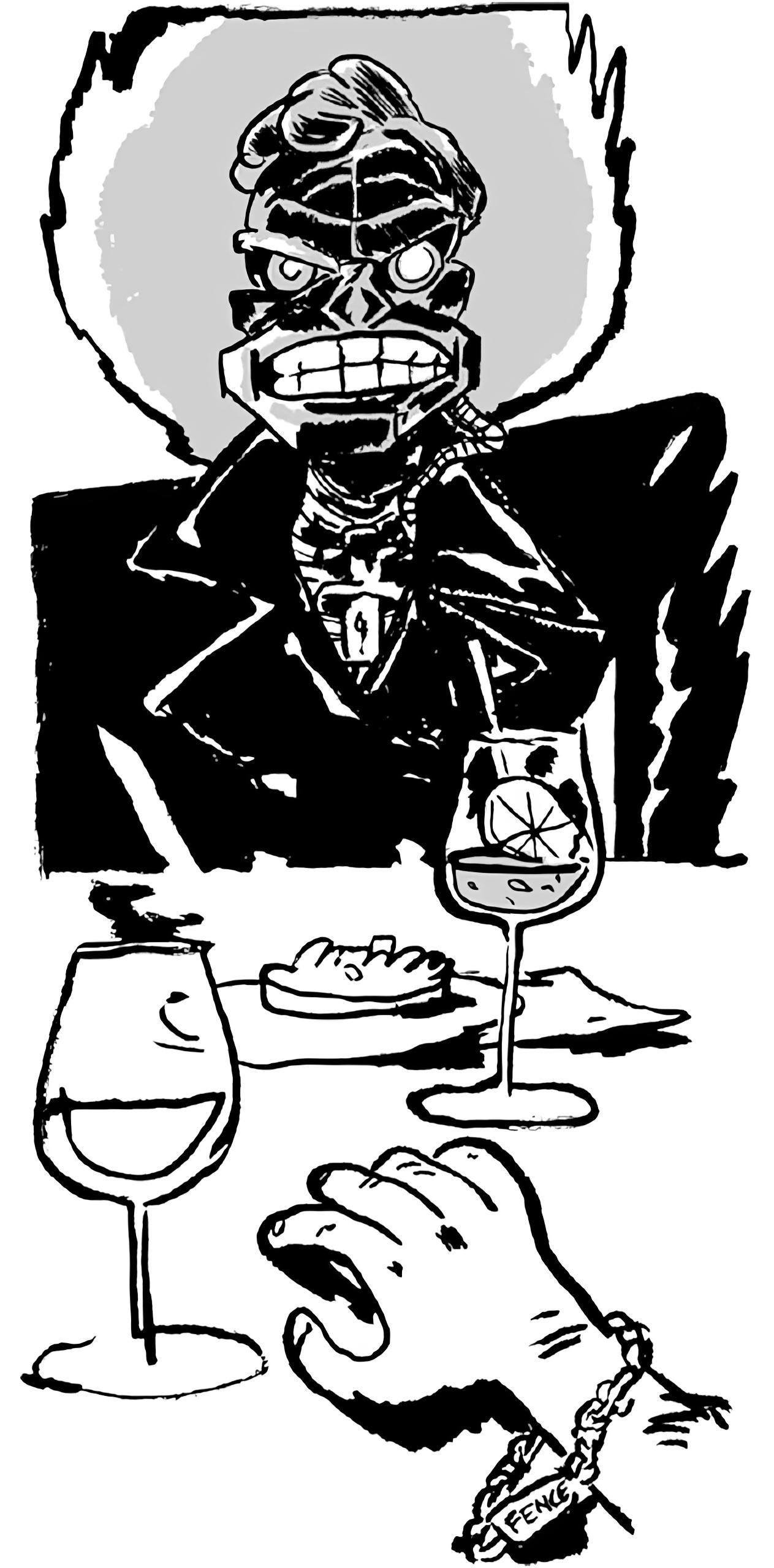

When does someone’s money become unacceptable? It seems that might be the case for one particular family. You might know a bit about the Sacklers. They’re the American family who set up Purdue Pharma, the vertically integrated private company. Through their ‘wonder’ drug OxyContin, they’ve accumulated a family fortune of $13 billion. The Lancet reports that 72,000 Americans died in 2019 through the opioid crisis, a tragedy that many have accused Purdue Pharma of starting. (In a recent statement, the Sackler family members said that those ‘who served on Purdue’s board of directors acted ethically and lawfully, and the upcoming release of company documents will prove that fact in detail. This history of Purdue will also demonstrate that all financial distributions were proper.’)
That is all well and good and legal and American, but over here, the Sacklers have been spreading their wings. They are entrenched in Britain, having donated millions to cultural institutions on these shores, to the National Gallery and beyond, spreading their largesse to seemingly every museum in the country. So much so that in 2011, when Dame Theresa Sackler was awarded the Prince of Wales medal for philanthropy, the director of the Dulwich Picture Gallery, Ian Dejardin, commented, ‘It’s going to be difficult not to make her sound utterly saintly’.
The US Department of Justice, however, takes a different view to Dejardin. In late October, it resolved its civil and criminal investigations into how Purdue marketed their drugs by reaching an $8 billion settlement. Under the terms of the settlement, members of the Sackler family and Purdue executives are not cleared of future potential liability.
The Sacklers’ stock is falling fast. Institutions like the Tate galleries have been distancing themselves at rapid speed. But what about everyone else? I dug deep through the patrons list and spoke to a number of individuals to try and get a clearer idea of who is funding London’s museums.
national gallery
Their names are all up in lights at the top of Trafalgar Square: Botticelli, Stubbs, Rembrandt and Ahmanson. Ahmanson? Something of the new school. Howard Ahmanson Junior is the evangelical Californian tycoon who sponsors the Ahmanson Curator in Art and Religion at the UK’s leading cultural institution. He is also the man who helped fund the infamous Proposition 8 referendum some twelve years back. Not so keen on gay rights, in short.
There’s more at the NG too, what with their decade-long platform with Credit Suisse, who have been the museum’s star corporate backer since 2008. More recently, Credit Suisse Group AG won a bid to stall the release of a potentially damning report into how they failed to prevent money laundering within the company. (Credit Suisse have consistently denied that senior management had knowledge of the money laundering, claiming that it was the work of a lone wolf.)
british museum
You would have thought that being a punchline in Black Panther would have encouraged the Bloomsbury icon to tighten up ship. But then you’re dealing with a museum that holds the Elgin Marbles, the Benin Bronzes and the Hoa Hakananai’a, despite an extensive series of pleas that they be returned to their countries of origin.
The British Museum (BM) has maintained its relationship with British Petroleum (BP) despite extended protests, despite national coverage and despite the Royal Shakespeare Company cutting ties with the oil-extraction company. But dipping into its list of patrons and supporters reveals more names that are linked with controversy.