Asking what the point of the Conservative Party is has long been a dangerous exercise. What we can definitely identify – albeit with the aid of those pesky historians – is what it was for.
The Church of England (CofE) was once referred to as the ‘Tory Party at Prayer’, which remains the case in the emptying pews of the rolling shires. But in the vicarages and bishops’ palaces, a quiet revolution has long taken since taken place. Openly Tory clergy are an endangered breed, and openly Tory bishops have gone the way of the dodo. Institutionally speaking, the Church of England and the Conservative Party have been engaged in open warfare since the days of Thatcher. It was then, memorably, that Alan Webster, dean of St Paul’s Cathedral, conducted a piece of Premier League trolling by proposing that the Lord’s Prayer be spoken in Spanish at the Falklands War victory celebration service.
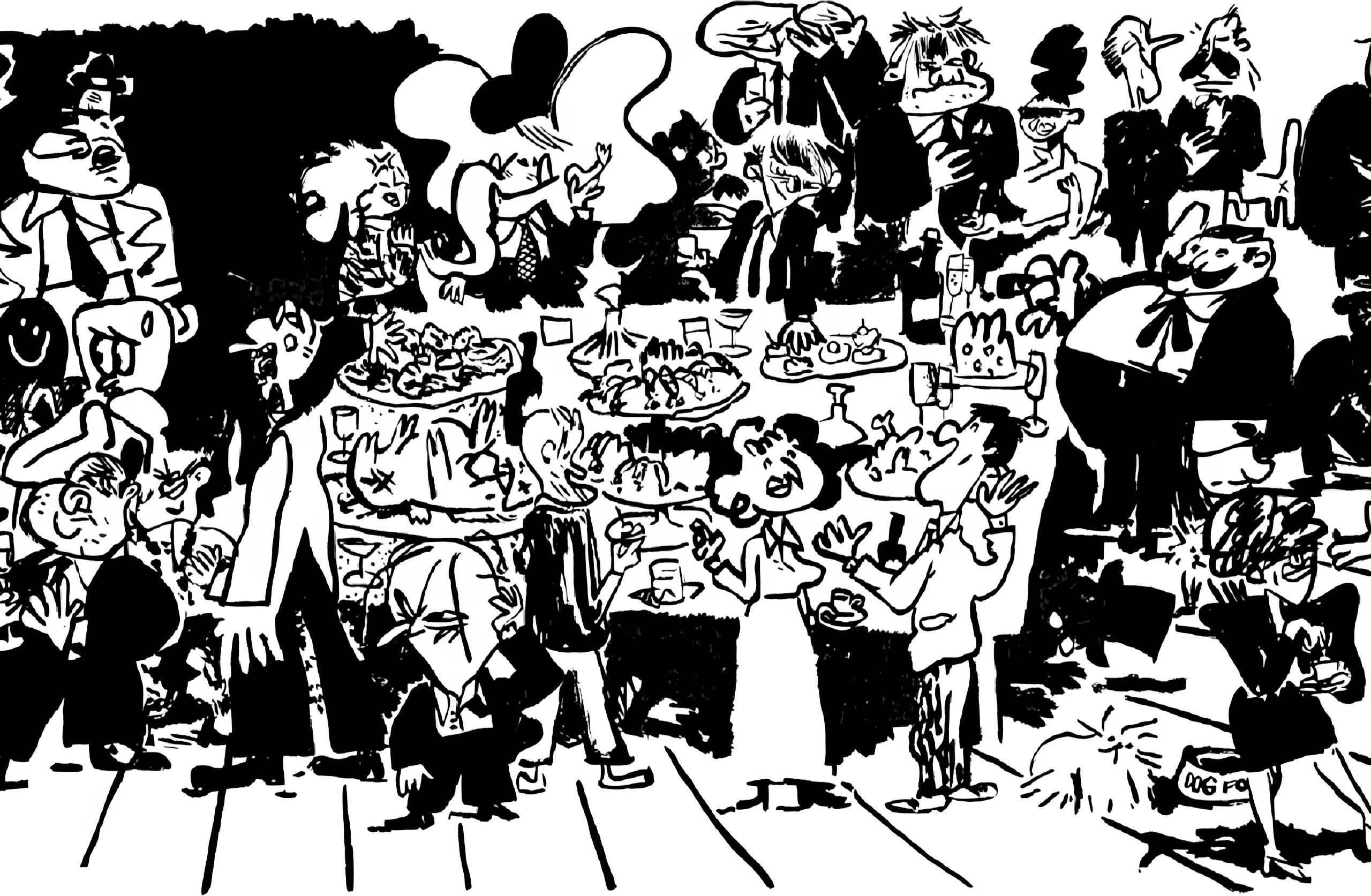
However, in recent years this fraught relationship has taken an even more invidious turn. For the latest episode of Toryism’s religious psychodrama isn’t being played out among the marble colonnades of St Paul’s, but witnessed in the decrepit church halls of places like Burnley, Doncaster and Everton. The Conservative Party might currently appear to be run by horny, malign
Beano
characters, yet Toryism’s mutation from shire-reaction to libertarian front is an episode with religion at its core. And it all goes back to the foundation of state care for those in greatest need:
The first task of the Church is to inspire the State, which after all very largely consists of the same persons as itself, with the desire to combat evil; and the second is to counteract the one great difficulty which the State experiences. When the State takes up such work as this, there is one thing which we all fear: ‘Officialism.’ What is ‘Officialism’? Simply lack of love; nothing else in the world. It consists in treating people as ‘cases,’ according to rules and red tape, instead of treating them as individuals.
So wrote William Temple, Archbishop of Canterbury. He was the man who popularised the concept of a ‘welfare state’. In the early to mid-twentieth century, the CofE began lobbying for a more compassionate face to government. It invested in housing projects, clinics and food programmes – models they actively encouraged the state to imitate. One of Temple’s best friends was William Beveridge – he of the report. The rest is history (or, at least, soon will be).
[The State] provides a basic level of welfare… but on some occasions that will not work, and to have charitable support given by people voluntarily to support their fellow citizens I think is rather uplifting and shows what a good compassionate country we are.