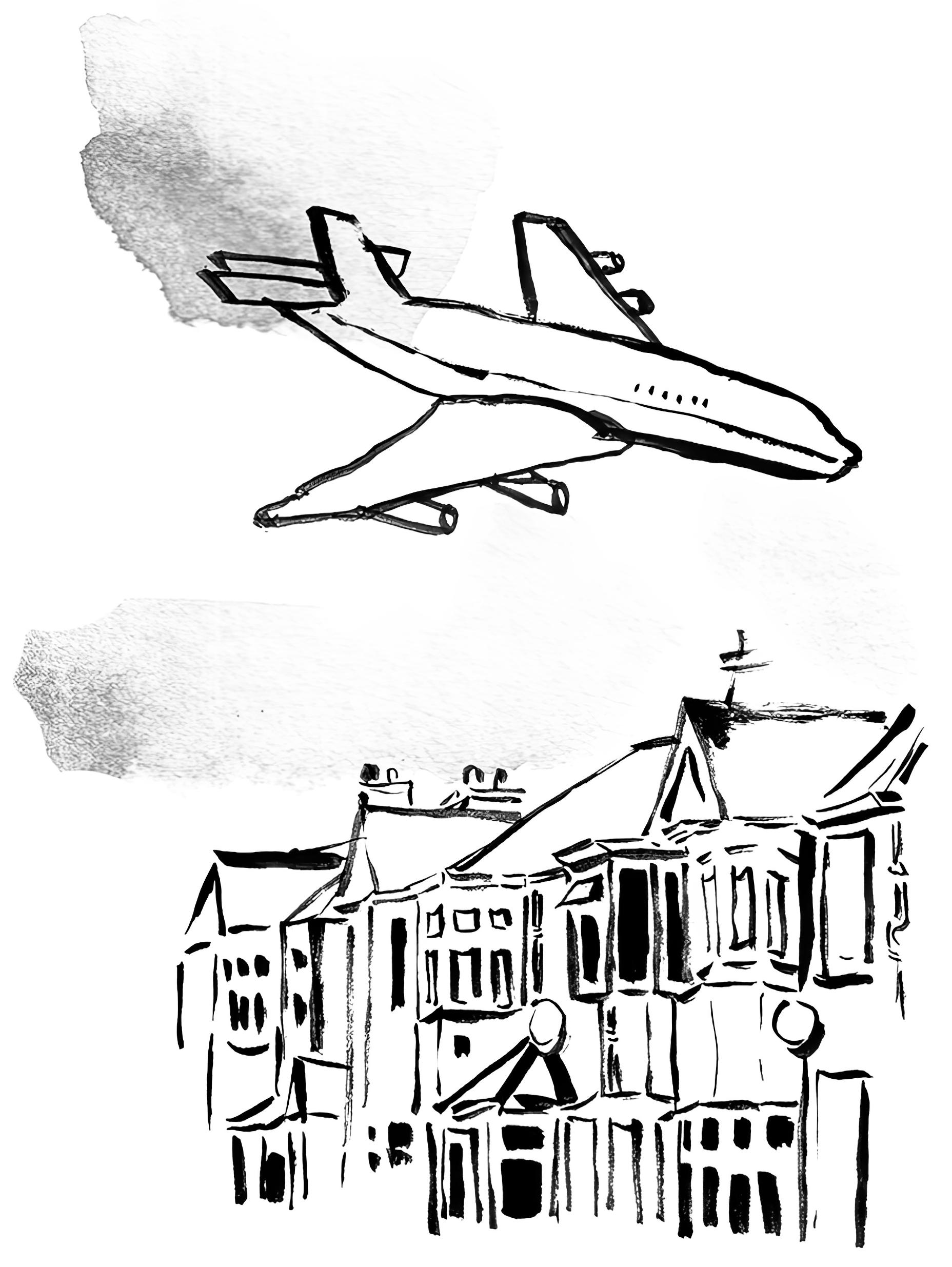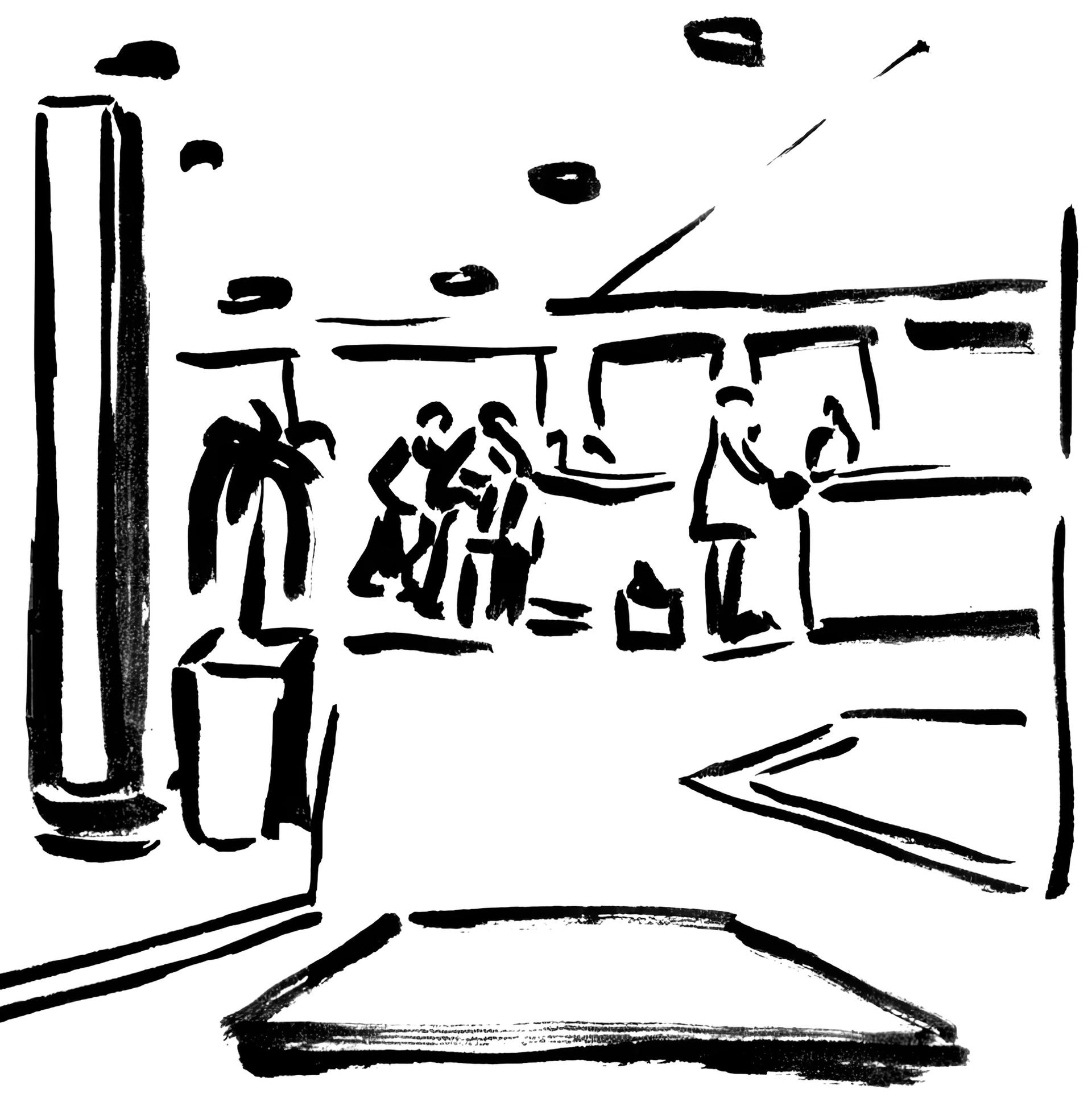
The hotel, perched on a London ring road, was sky blue. Everything else was grey: the flyover, car showrooms, a dirty river that ran alongside the building. Sometimes swans would glide down there, looking like they had taken a wrong turn. The probation service only took up half of the hotel’s ground floor, but that included the front entrance, so often confused looking families of holidaymakers would haul their luggage into reception where the murderers and restraining orders waited. I was a probation services officer, a position you can get without qualifications or training. Judging by me, they would take anyone. The difference between my job and that of a trained PO was the calibre of offender you dealt with: no sex pests, repeat assaulters, or anyone ‘high risk’ – in other words, someone who posed an imminent, serious threat to the public. The assessment didn’t always fit the crime; for example, a woman who harassed someone online could be riskier than a murderer, if the stalker in question wouldn’t leave her victim alone. The murderer had a job, a partner, he was chill. His victim was out of the picture.
People sometimes asked me if I got scared. Security – a spotty guy in a suit who looked like he was on work experience – did not put my nerves at ease. His predecessor was more like it: a cage fighter and minor gym influencer, but they couldn’t afford him anymore. The overall feeling was a bit like air travel where, regardless of the data, you couldn’t shake the feeling that something terrible was about to happen. There was a panic button that called the police, but I never got to use it.
The advertising poster said, ‘An extraordinary job. Done by someone like you’: the implication being that you were nothing special. You were lucky to be here. Just like for the people on probation, it could be a lot worse. If they were on licence, they were liable to go back to prison at any point. We reserved that right. And they had to make a request if you wanted to travel. Mr Bey, a family man who had been away for so long that his double Diesel denim had come back into fashion, had two places in mind: Mecca and Disneyland. When he sensed his chances diminishing, he said to forget about Disneyland. I could have told him that. My boss, Ankhi, was just as impervious to his spirituality as his leisure. A funeral was your best bet, she’d say. Maybe your own.
On a brighter note, I helped them get jobs. My young guy – the background checks were getting to him. Even in construction, a refuge! I tried to focus on the positive: his biceps. It was just his natural physique, augmented by cell workouts. ‘You turn the chair over, there’s a bar between the legs: use that to do the push-up.’ When I visited his flat, there was a web series about a coke dealer playing on his 150-inch screen. He kept one Airpod in at all times. I liked to imagine the score for that show was in his ear, giving our meetings a high-stakes feel.
‘My girlfriend said I have weak hips,’ I said with respect to my running gait.
He started laughing. ‘Don’t tell anyone that. Especially not a woman.’ Somehow I kept the conversation going, like the host of a radio show only God listened to.
‘You box?’ he asked, for the first time sounding interested, or at least not embarrassed on my behalf. ‘How long have you done that for?’
‘A few years,’ I exaggerated.