Spaceport was a museum in a place on the Wirral Peninsula called Seacombe, a building stationed right next to the ferry terminals on the bank of the River Mersey, a tourist attraction whose existence felt almost improbable, given the lack of tourists or anything attractive. A wholly unimpressive building from the outside, inside were corridors dedicated to space exploration, exhibitions about Wallace and Gromit (in space) and a rocket simulator. Sonically it was poorly arranged, with the different beeps and clangs from each interactive module creating a constant, low-level cacophony. While ostensibly a place designed for children, in reality this was a destination for out-of-ideas parents and teachers organising school trips – it’s hard to imagine that any 11-year-old ever woke up on a Saturday morning and demanded to go to Spaceport.
Directly across the water from the museum, you could see Liverpool’s docks, the Liver Building and the city. Seacombe, a district of Wallasey, is less architecturally impressive, despite the towering Cammell Laird shipyard a couple of miles to the right. In recent years one thing has happened in Seacombe – Michael Portillo once stayed there for a BBC programme in 2003 where he swapped lives with a single mum and worked in the Wallasey ASDA. George Harrison also named a 1968 instrumental track Party Seacombe. It’s a decent tune!
In 2019, Spaceport shut its doors, having been losing a quarter of a million pounds per year since 2005. Visitor numbers plummeted year on year, with its peeling planetarium no longer cutting it in the Snapchat era. It’d bravely fought off funding cuts for years, riding out on the remnants of European money, journeying through space and time further into the abyss. Spaceport certainly had an aura of impending doom – its own. The whole building had the feeling of a football manager whose sacking was a matter of when, not if.
In early 2009, my dad handed me a job advert he’d cut out of the local paper: ‘ACTORS WANTED FOR NEW ALIEN WARS ATTRACTION AT SPACEPORT’. I’d not been to Spaceport before, and I can’t recall whether I’d even heard of it, even though I’d grown up on the Wirral before moving to Liverpool, where I was now living. I was desperate to move out of the booze industry. Working at a satellite town space museum pretending to be an alien or a marine seemed at the time like a dream job. And in many ways, it was.
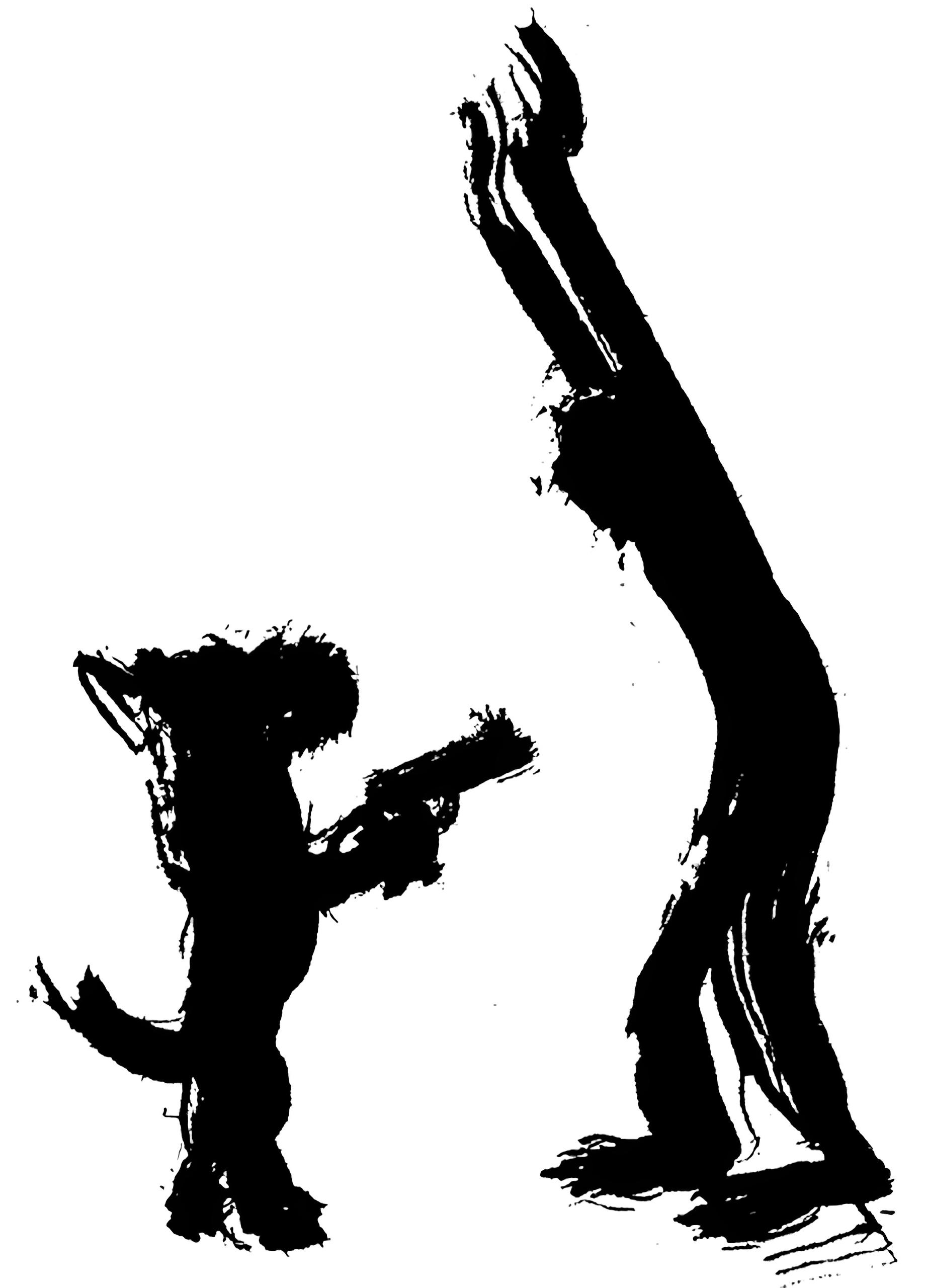
Upon applying, I was asked to come to Spaceport for a week of training and auditions on half-pay. There were probably around 40 of us; I imagine everyone who sent in a CV got an invite – an elite collection of applicants this certainly was not. Two wiry, blood-boiled Glaswegians led the training like it was the Territorial Army, separating us into two groups – aliens and marines – and swapping these roles around throughout the day. Alien Wars had already been a successful franchise in Scotland, and they were driven to make it work here, too. Similarly, Spaceport management seemed wide-eyed at the prospect that this could put the museum on the map. The marines wore fairly simple black commando uniforms and carried fake machine guns, while the aliens donned highly accurate latex replicas of H.R. Giger’s xenomorph, complete with those long, bony fingers and the elongated, eyeless head.
At the beginning of the first day, it was explained that we were all now part of X-Factor-style auditions and some people would be told at 5pm that they wouldn’t be back tomorrow. I saw things you wouldn’t believe – a boyfriend sent home in front of his girlfriend, a grown man in tears, half-dressed as an alien. Brutal shit. I was 6’4” by this point and extremely thin, so I knew I was in perfect shape for an extraterrestrial, and I quietly bet on myself to fulfil my potential as a freak.
The premise of Alien Wars was that it was a ‘ride’ that took over the whole museum at 2pm until the end of the day, every day. Aliens were purportedly being held captive in Spaceport – it takes a leap of faith for anyone to imagine that if government officials had captured beings from outer space that they’d keep them in Seacombe – but they had now escaped and were loose in the building. A team of marines would lead round a group of punters in the pitch-black museum with torches attached to weapons, while aliens screamed and leered out of nowhere, culminating in a genuinely terrifying final act where aliens would break into a lift and snatch an actor from the group.
After a week of auditions there were four aliens and four marines, with two of each on shift at any time, plus the plant. I was delighted to have been awarded a role as an alien on six quid an hour, complete with a complementary ferry pass to get over the water from Liverpool. The ferry was a beautiful, novel way to travel. I’d got on it as a kid, but to commute on it every day alone was genuinely special, particularly in the summer, standing out on the deck looking around at Merseyside’s subtly majestic shorelines, and watching men defend their wives from the pigeons that were frequently trapped inside the cabin.