Following the extremely unexpected success of our first turn on the No Such Thing freebie-go-round, we were inundated with requests from London eateries, clamouring for a chance to give us a free lunch in exchange for a similarly sprightly write up. We were, however, faced with a dilemma. Namely, Ed Cumming’s piece was really good – so good, in fact, that any attempt to simply replicate what he’d achieved risked lapsing into diminishing returns. So, we decided to double down by adding that essential extra ingredient to any British cultural unit – the cold, shallow splash of celebrity, baby!
Luckily for us, friend of The Fence, Annie Mac is quite (a) famous and (b) fond of free lunches, so she and I set off for an Irish-themed trip to Daffodil Mulligan to do some prating about praties in a spud-friendly safe space.
Daffodil Mulligan is a progressive slice of Irish culture in Shoreditch, right beside that massive, demented roundabout on City Road, the one with the great, big, vaunting lawnmower blades, which I imagine being switched on at night to take down small birds and, one presumes, drones controlled by other, competing tech companies operating from other, competing roundabouts. Annie and I arrive at the same time, but from different doors, and as we stride toward each other, it feels a little like we’re being introduced on an uplifting reality show that arranges dates for the recklessly pale.
I first met Annie last May, to interview her about her excellent debut novel, Mother Mother. Like all Irish people working in London media, we’ve since bonded over the fact that we’re not giant freaks. A few months later, after seventeen years at the Beeb, Annie withdrew from presenting her huge Radio 1 show to write full time, and is currently at work on her second novel. It centres on two flavours of the Irish immigrant experience in London; the upwardly mobile transit of young people in the noughties, and the more hard-trodden path of the Irish who came to work as navvies and railwaymen in the fifties and sixties. Like most Irish people, I’d heard lurid tales from family friends, that if you died on the job in London, they just built more London around you. Annie’s research appears to bear this out.
‘If you fell into the cement of the Victoria Line while it was being built, you’d be buried in the cement. I spoke to a navvie who was like, ‘oh yeah we know those guys – we called them the Tunnel Tigers, because they got paid for every yard they dug’.’ She pauses. ‘There’s a real contrast between these old guys who came over in the fifties and sixties in order to feed their families back home and are still here, and then these – us – who came over in the nineties and noughties and get jobs in the fucking media, like let’s go, the world belongs to me!’
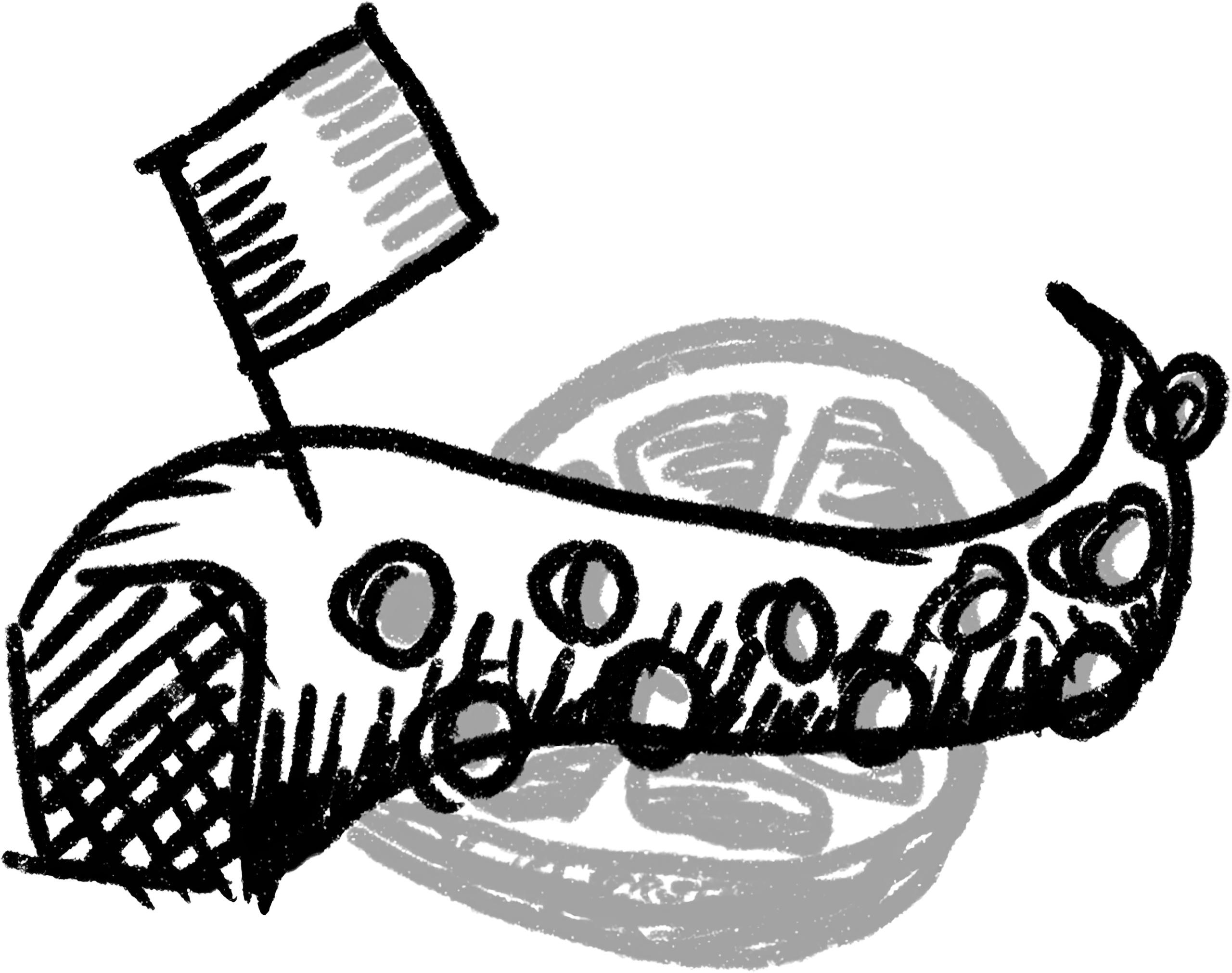
As if to underscore this difference, we survey the fancy wares on the menu in front of us, full of reassuringly Irish-sounding elements (oysters, potato cakes, black pudding) – shot through with pleasingly exotic flourishes (everything else). The first to arrive is a stunning curlicue of octopus, served with tarragon hummus and soft, small nubs of blood orange. It’s a great big tentacle, wonderfully purple and deliciously crispy, chargrilled so that the meat slides apart like BBQ pork, justifying the horror of upsetting its delightful, horror movie presentation.
Annie, who’s been a pescatarian for the last ten years, leaves me alone to eat the superb mangalitza black pudding, topped with a draped awning of durrus, it’s plopped in a little pat of mushy smoked tomato. The whole thing crumbles as I prong it into my mouth, and it feels earthy, in the sense that it has something like the colour and texture of the most delicious soil you’ve ever eaten. That doesn’t sound as nice it as it was, but food writing is hard, I guess.
I mention, quietly, that the Irish food of my childhood wasn’t exactly expansive, with bacon, spuds and cabbage about as exotic as it got. Annie tells a similar tale.