Who are you and where do you live? ‘I’m Joe Bloggs,’ you might say, and ‘I live in Bishop’s Stortford; not that it’s any of your business, whoever you are.’
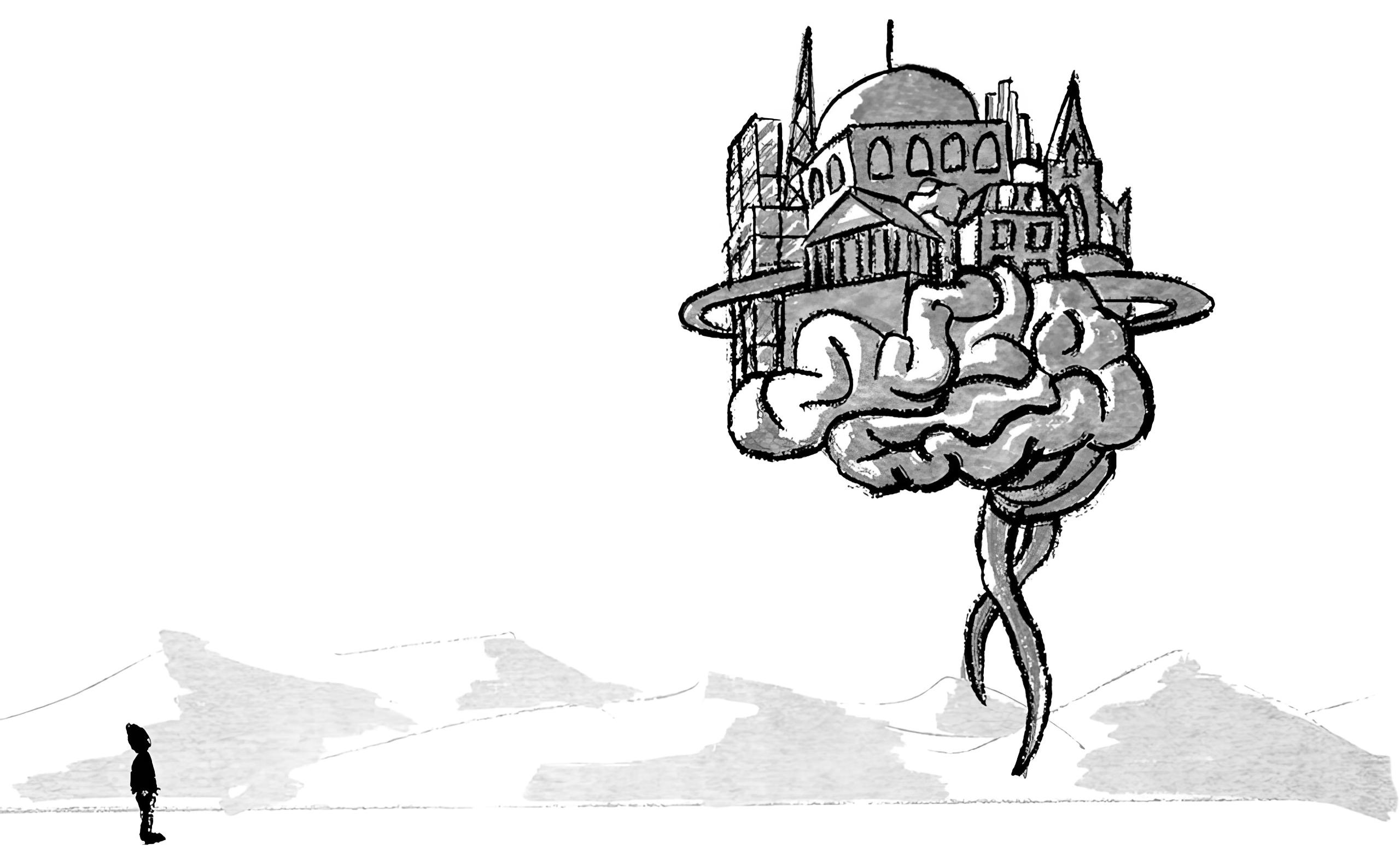
Except you’re not, and you don’t, and it is. Since you probably spend more than seven hours a day actively on the internet (and the rest of the time you’re there whether you like it or not), you have multiple online identities (Google, Meta, Apple) with data that lives anywhere from Ireland to California to China. There are countless scraps of e-Joe Bloggs living out there in a vast, unending digital world.
Who we are and where we live is no longer solely defined by our physical self and location. It’s a dystopian thought, but in Estonia they have leaned into this brave new world with a scheme where anyone can become an ‘e-resident’ of the small Baltic republic.
After paying a fee of €100 and passing a background check, you get a little card with a chip that allows you to access Estonia’s online services, provide secure digital signatures and remotely participate in the local economy. In just 15 minutes, you could open an EU-resident company that you can run entirely from your home. Is this a gimmick or a revolution?
The war in Ukraine has highlighted many of Europe’s most dubious residency schemes. ‘Golden Visa’ programmes aimed at Russian oligarchs, most notably in the UK, have been suspended, as was a Portuguese passport scheme for the descendants of expelled Sephardic Jews (Roman Abramovich’s application had been certified by a corrupt rabbi with links to Putin). The violent detention camps guarding ‘Fortress Europe’ in Libya and the UK’s attempts to deport refugees to Rwanda only further highlight the arbitrary hypocrisy behind how we control residency.
On the other side of the continent, just two hours from the Russian border, the Estonian capital, Tallinn, has a history that shows how ephemeral borders can be. For centuries it was a member of the Hanseatic League, the confederation of cities that once dominated Baltic and North Sea trade, and it remains the prettiest and best preserved medieval town east of the old Iron Curtain. In recent centuries it has seen Swedish, Russian and German imperialism come and go.
The idea for e-residency came not so much from this transnational history as from Tallinn’s current incarnation as the birthplace of Skype, Bolt, Wise and other tech startup successes. After the ‘Singing Revolution’ restored independence from Soviet occupation in 1991, Estonia had little state infrastructure, money or resources. So it bet on the emerging internet, building e-government from the ground up and investing in digital infrastructure and skills.
Thirty years later, ‘e-Estonia’ is more than just neat branding. Pretty much the only thing you can’t now do online is get married or divorced, explains President Alar Karis, a molecular geneticist with the air of a national grandfather. The key is the e-identity that every citizen, and e-resident, has on their compulsory ID card (and smartphone), allowing them to securely undertake legal functions – banking, healthcare, voting – while also overseeing how their own data is accessed and used by both public and private services. To combat Russian cyber attacks, everything is backed up in a ‘Data Embassy’ in Luxembourg.