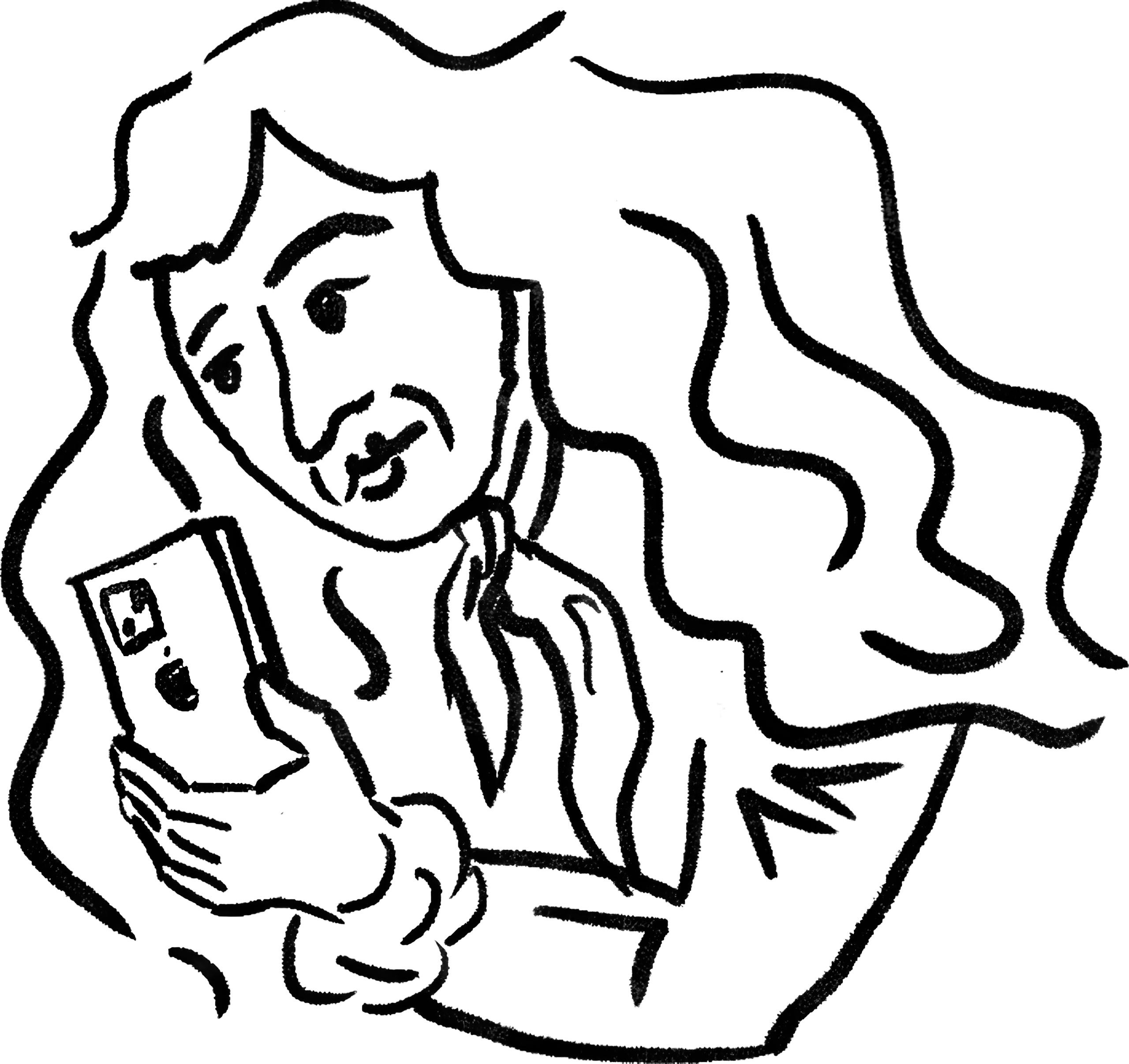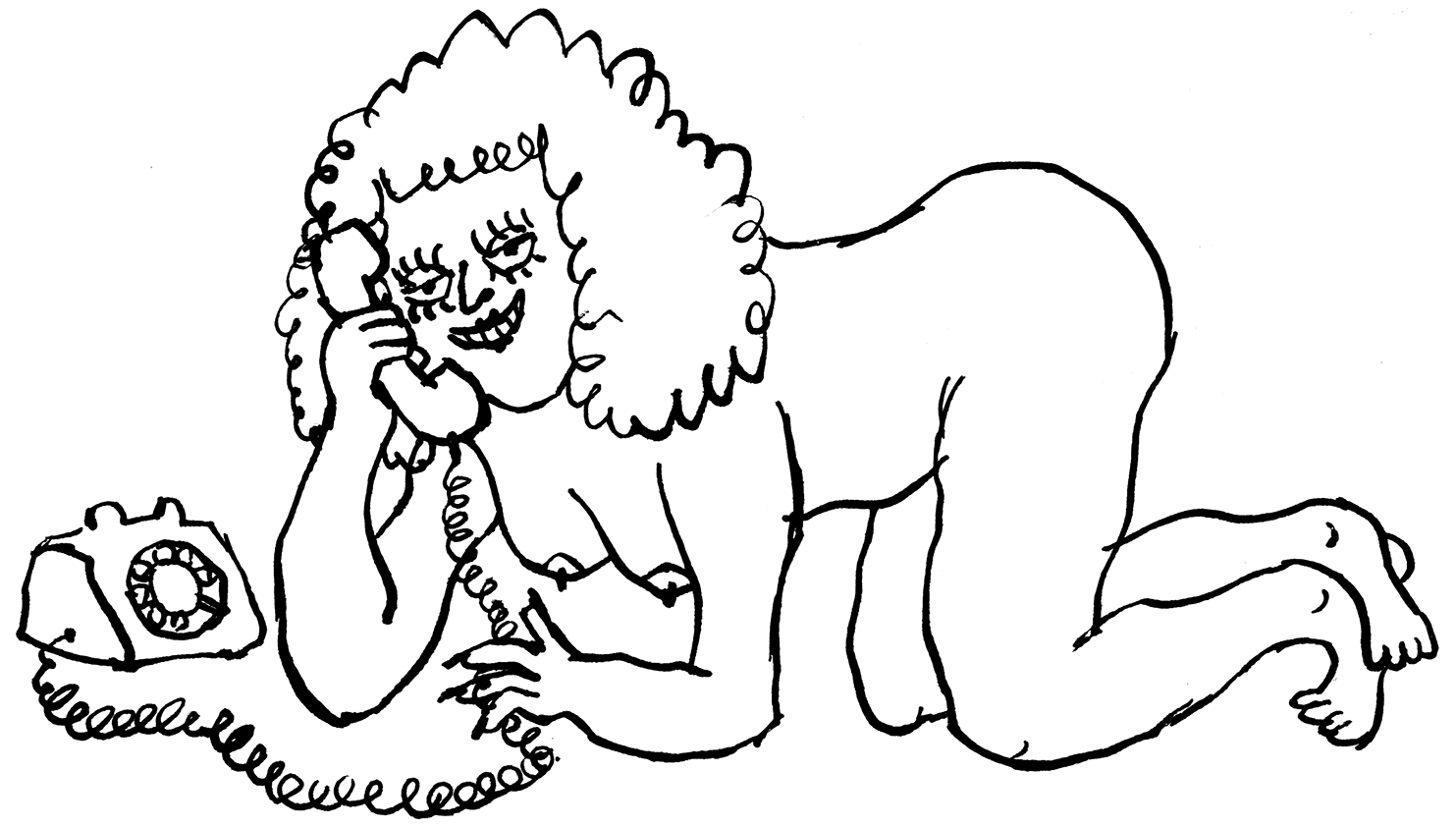
Sadie was texting a stranger about the enthusiastic act of fellatio she intended to perform on him, when American Airlines Flight 11 hit the North Tower of the World Trade Center. She’d spent the morning idly swapping dirty messages with a steady trickle of men replying to her ad in the back of an adult magazine: ‘Horny London nurse, 21, loves red hot anonymous sex chat while I touch myself’. But as the devastating scenes from New York unfolded on the news, things began to get busy. By the time the towers fell she was fielding sexts from scores, then hundreds, then thousands of men, phones in one hand, now rabidly libidinous and turning to Sadie in urgent pursuit of release from that day’s sudden ruption of fear. She had become a lightning rod for an outbreak of terror-fuelled onanism. The starting gun in a race for one last orgasm at the end of the world.
I know this because Sadie was me.
On a day that is still scoured for abominable truths, this was one of them: on 9/11 I was bringing hundreds of terrified men to climax while pretending to be a masturbating woman. It would be the busiest day the short-lived premium rate sexting industry ever had. And it would make me, a 20-year-old heterosexual male student working a part-time job from a dingy office in King’s Cross, the unlikely conductor of a symphonic transatlantic anxiety wank.
It wasn’t the position I had applied for. In the winter of 1999, I walked into Holborn Jobcentre and replied to an ad for people who could type. A week later, I worked for a company who ran the lonely hearts pages in hundreds of newspapers across the country. My job was to interview lonely people, writing the ad that would help them find love, while the business made money via the cynical mechanisms of premium rate telephone billing. On a preamble-loaded call that cost a pound a minute to make, romantic hopefuls would collect their messages, or discover they had none and learn life remained cruel.
I quickly developed a flair for crafting 30-word come-get-mes. This was before the advent of internet dating kicked the bottom out of the whole endeavour. But my bosses spied opportunity in the turn-of-the-millennium text messaging boom.
Needing to diversify fast, they took a sharp left turn towards those looking for a different kind of companionship all together.
It worked like this. Advertising in the backs of Britain’s illustrious library of jazz mags, and unsettlingly randy newspapers like the Daily Sport, Sadie was one of maybe 30 avatars whose names and occupations – nurse, secretary, police officer and, weirdly, vet – were the only variations on a common theme: they were bored, horny and insatiable for text sex with strangers. Men replied for a quid a throw, and a seedy transaction was done. One enthusiastic early adopter spent £600 in a single day before his phone company cut him off. He reappeared later that afternoon on a different number, undeterred and, in his own way, smitten.
Back then, sexting was a niche interest activity. Texting each other was expensive. Messages were limited to 160 characters. Social media hadn’t yet demolished our sense of reserve, and sending nudes was a subplot from a speculative dystopia. In 2001, the men bombarding Sadie with obscene requests could scarcely have believed they now had the means to communicate directly with a woman who, until recently, would only ever have been the object of their wildest fantasies. A fantasy, though, is all she was.