Imagine the school first, because the school is where it all happens. Nebulous and insular, like most secondary schools, everything that has, could and can occur, occurs right here.
Challney (Chawl-nee) High School for Girls is a short walk from the motorway, Junction 11 on the M1. A wrong turn at the roundabout will spit you out into Marsh Road, a popular London-commuting neighbourhood and violent mugging hotspot. You pass, instead, council houses, like mine, laid with gingerbread bricks. Then, a greasy chippy that is almost certainly a drug-trafficking front.
Remember that the year is 2009. Kate Moss has convinced us all to starve ourselves. We fry our hair every morning between hot tongs, then fashion it into long, side-swept fringes and backcombed nests. Luton-born Tommy Robinson has just founded the EDL. For some inexplicable reason, the height of chicness is owning a middle-aged businessman’s phone, the BlackBerry. We do not yet know that Facebook will harvest the data we haphazardly throw on our profiles or that it will radicalise our friends and family. We are in the impenetrable membrane of an all-girls school and the world starts and ends here.
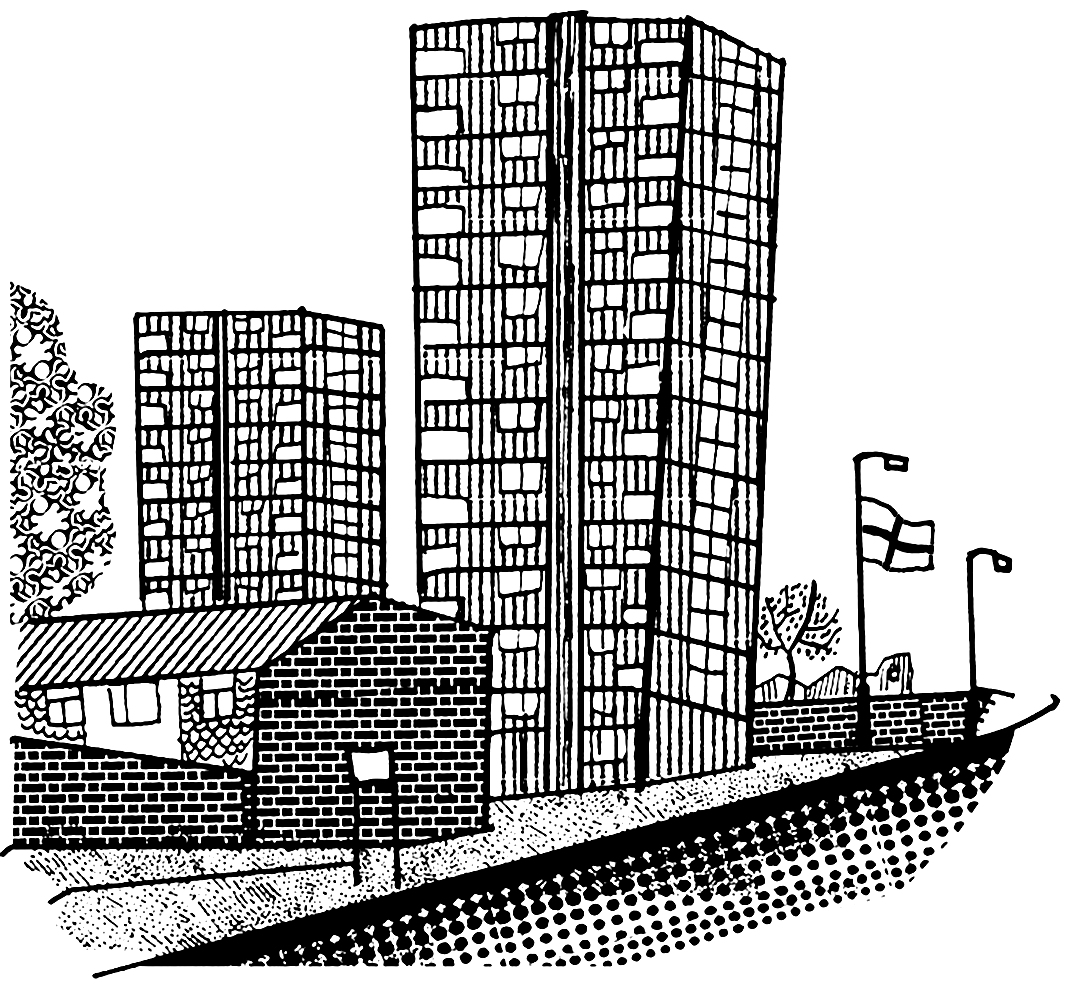
Girls enrol at Challney because their parents fear God or because they live nearby. God, after all, resides in Luton (the town has 117 churches, 25 mosques, three temples, two Kingdom Halls of Jehovah’s Witnesses, one synagogue and one gurdwara). ‘Nearby’ is all tarmac and petroleum. Teenagers loiter in retail parks to rev their engines and intimidate the elderly patrons keeping DFS afloat. Local children are consigned to penalty shootouts in cul-de-sacs; spot their tiny faces – weary from every stray ball they have to fish out from under a parked car – and know that you’re near the school. Go towards the mouth of a beaten alley littered with Marlboro Lights. The building itself is new and costly, which means it is a concrete monstrosity. White and cavernous, as if produced in a 3d printer, it is a paperweight flanked by spindly, transplanted trees.
But inside, life hums within the sensory meridian of any girls’ school: the toilets. There, the fog of fruity Victoria’s Secret perfume barely masks the smell of menstrual blood. The place has its own microclimate – it is damp and muggy all year round.
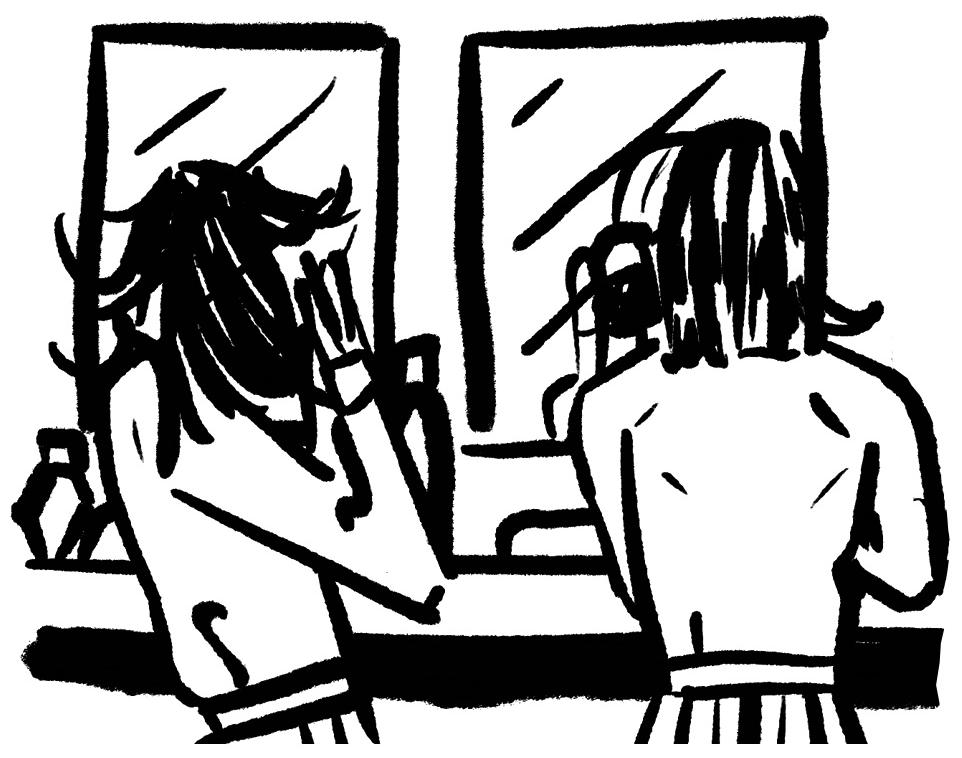
This is where girls come to see out their panic attacks. They come to pinch their stomach rolls in the mirror and hike up the waistbands of their skirts. They come to sit in cubicles and press the razor blades they’d smuggled in their bag into their forearms. They flock here to peruse leaked nudes, to listen to that voice note of that one girl masturbating. Build a girls’ toilets and they will come. To cry, to make each other cry. It is sanctuary for friends to find comfort and praise. And it is wilderness, a watering hole in the Savanna, for enemies to lock eyes and pounce.
We were called Challney Girls, which was by all means a derogatory term, intended to prickle at our skin like a slur. Mentioning my all-girls schooling is broadly akin to telling people I’d spent half a decade in a sanatorium. Reactions veer towards sympathy or morbid curiosity. But in local circles, Challney Girl was code for brash, argumentative, sexually repressed. I tried for years to shirk the label, but our reputation was vast and rigged. Everything seemed to be on-brand. A Challney Girl was the type to suck you off under a tree in Pope’s Meadow; a Challney Girl was an uptight prude who feared looking at her own vagina.
Attention was currency at Challney, but only the most entrepreneurial among us knew how to raise capital. For a divine slippage of time, reality was whatever we made it. Girls used to diagnose themselves with cancerous tumours or bipolar disorders. I think back fondly, somewhat enviously, of their unrestrained audacity. One girl killed off a grandparent. Another conjured a baby and posted photos cupping her non-existent pregnancy bump on Facebook. Around its second trimester the fake baby fizzled out into nothingness from a fatal lack of attention.