1. be rich
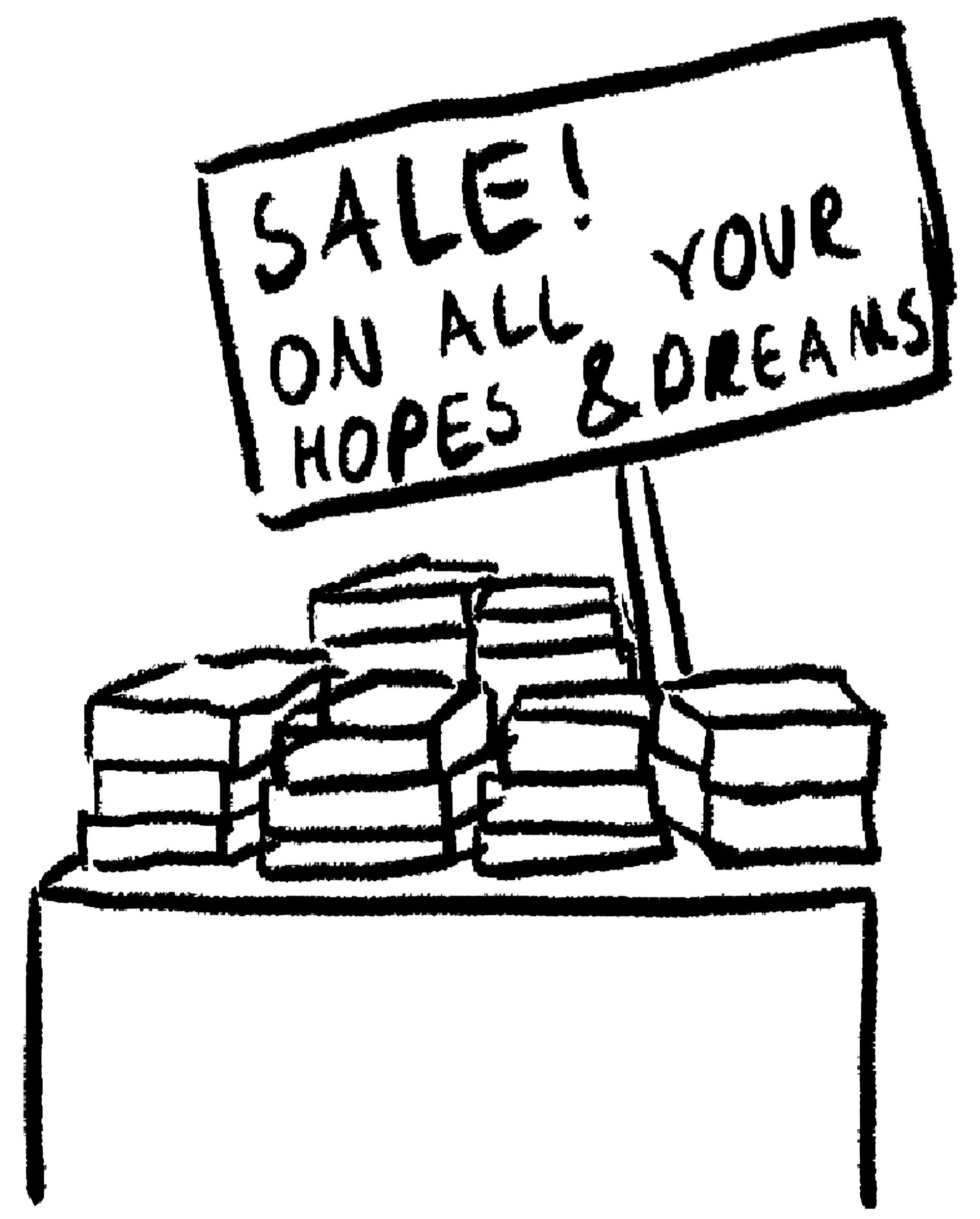
You are unlikely to finish your novel. If you do, you are not going to get an agent to represent you. If you do, you are not going to get a publisher interested in publishing you. If you somehow manage that, you will receive the following email from your would-be publisher:
‘We love your book, it is redolent of Nabokov; destined to be a classic to be cherished and savoured by generations of readers. The entire team has fallen in love with the manuscript and are honoured by the prospect of publishing such a luminous novel. We feel that we should offer you £1000 for the manuscript, to be paid in four instalments.’
It is not news that writers don’t get paid much, but it will feel like news when you see how little the publisher is actually offering you. Writers from Stefan Zweig to William Burroughs have artfully sidestepped this problem by being born rich. We suggest that you do too.
2. no one cares
No one is going to read your book. Not your friends, not your family, not your agent, not your publicist, not your reviewers: no one is going to read your book. Those who do read it (or say they have read it), will not read it with the intensity or care with which you laboured to compose it. This is a problem that even the most celebrated authors face. At the 2018 Booker Prize ceremony, senior members of the Faber editorial team were heard loudly referring to Anna Burns’ soon to be Booker-winning novel Milkman as ‘Postman’. You will suffer this indignity too. Deal with it.
3. get political
One corollary of no one actually reading your book is that talking about said book becomes a pointless exercise. Professional writers know not to talk about discussing something particular to them – like the book they have just written – but instead to discuss something common to everyone: the unerring wind of the news cycle. Discover the conventional wisdom of the literary world on political affairs and loudly broadcast your agreement with it via social media. Extravagantly tie your literary productions to said views when possible. No one will care whether there is an actual link between your novel and your views on the Tory hegemony, for as we have detailed above: no one will have read it. They will, however, feel comforted by your total and uncritical acceptance of their worldview, and hence will be more inclined to publish you.
4. be compliant
The worst thing an author can be referred to in the publishing world is ‘difficult’. Difficult writers refuse to play the game that their editors, marketers, and publicists have laid out for them. They often have the delusion that they and their work are special (see Point 2 above). They are needy, opinionated, and unreliable. Everyone hates working with them and secretly prays their book flops. Needless to say, don’t be this person. From the very earliest moments of contact with publishing professionals signal your intention to submit completely to their every whim. This posture will take you far.
5. your agent is lying to you
The economics of publishing are dire for all parties, but are particularly poor for agents. They are dependent on an unruly band of writers for their very survival. It is a matter of life and death to them to use their writers’ meagre gifts to extract an advance from a publisher. Consequently, they are going to do and say everything to keep you in the game, and ready and able to endure the punishment meted out in the submissions process. They will convince you that there is no shame in submitting your literary novel as YA instead. They will wax eloquently about the merits of a publishing house they know to be subpar. They will stoutly defend the minuscule advance you are offered for your book. You will have to tolerate all of this. Again: deal with it.
6. do write a proposal
Writing a full-length book and then submitting it is a delusional idea. This is why professionals know to write an in-depth proposal (something you can do with a laptop and a British Library membership in three months), that carefully and strategically outlines the book on offer. Almost all non-fiction projects are bought on proposal. The kicker is that a not insignificant amount of novels are bought this way too. Jonathan Franzen’s The Corrections is a famous example. The moral of the story: amateurs write full manuscripts; professionals write polished proposals.