Jimi Heselden, the multi-millionaire owner of the Segway scooter manufacturer, died on 26 September 2010, aged 62, when he reversed one of his company’s miniature two-wheelers off a cliff in Thorp Arch, near his Yorkshire estate. He had only owned the company for a year, and he was testing out one of its off-road models.
The coroner said he probably fell off Jackdaw Crag while reversing to allow a man walking his dog to go past. If so, the act of courtesy was characteristic. Heselden was born and brought up on Halton Moor, a council estate in east Leeds, and never forgot it: he always stayed in touch with local people and donated millions to local charities. Even in death, he didn’t go far: his body was found in the River Wharfe, five miles from the Leeds factory where he established his first business.
Heselden left school at 15 and would have spent his working life as a miner, if it hadn’t been for the strike of 1984–85. He worked briefly in two mines, including one in the grounds of Temple Newsam, an Elizabethan mansion two miles south of Halton Moor, where the open-cast workings disrupted the Capability Brown landscape.
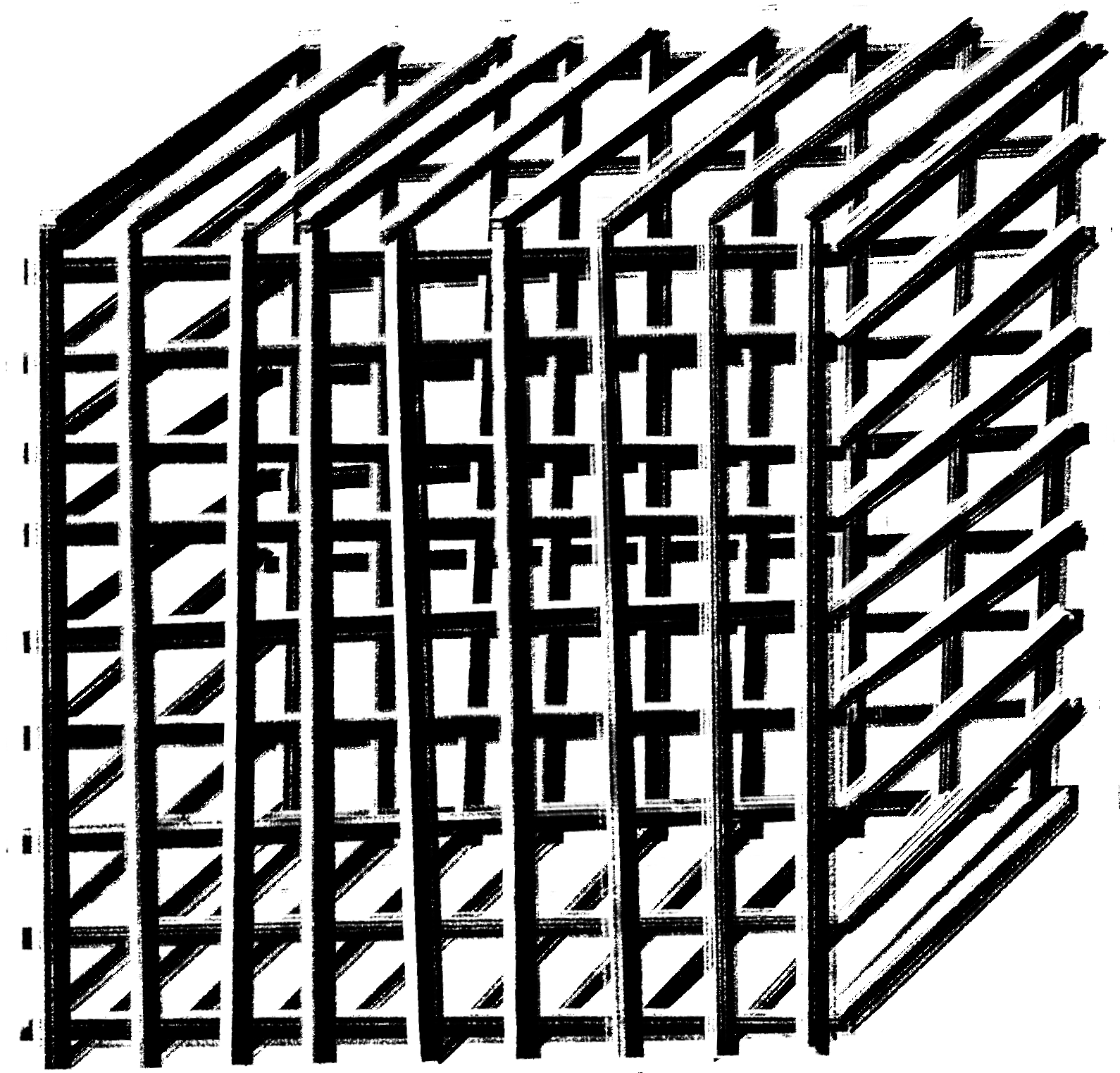
Heselden used his redundancy money to set up a sandblasting business in Leeds, and when he needed a way to shore up the heaps of debris its operations created, he devised the invention that would make his fortune. His design was not an original idea, but an adaptation of a medieval system of military and flood defences: the gabion basket – a wire-mesh container filled with stones or earth – whose name derives from the Italian word for cage, although the first model was called a corbeille leonard, or Leonardo basket, because it was supposedly invented by Leonardo da Vinci.
Heselden, who also worked in the Lofthouse Colliery, where seven miners drowned in 1973 because a coalface was excavated too close to a flooded 19th-century mineshaft, understood the power of water. He demonstrated the robustness of his gabion on Yorkshire’s eroding coast near Bridlington, where he used to go on holiday, and walls built from a flat-packed version of it were used to shore up the levees around New Orleans after Hurricane Katrina struck the city in 2005.
Heselden’s barriers also proved better at resisting mortar and missile attacks than sandbags, and they were much easier to install – two men could build a wall of Hesco Bastions, as he called them, in 20 minutes, while it would take ten men seven hours to build an equivalent barrier from sandbags. Western forces, including the US, the UK and NATO, bought them in great quantities for use in different war zones – in the First Gulf War, in former Yugoslavia and during the occupations of Iraq and Afghanistan. The Hesco Bastion gave its name to a Reading-sized military base in Afghanistan which housed almost 30,000 people, including Prince Harry, who claimed to have killed 25 Taliban fighters while flying helicopters from the base.
Yet Heselden’s modification of Da Vinci’s invention is no longer confined to ‘stopping bad things from happening to good people’, in Hesco Bastion’s phrase. It is also being used to help good people do good things. Herzog & de Meuron, the architects of Tate Modern, used gabion cages as an architectural and landscaping tool in their design for the Dominus Winery in the Napa Valley, California, and they have become a common feature of new developments. Architects like them because the gaps in the stones allow air to circulate and provide shelter for plants and animals. Properly cared for, they become living walls and refuges for urban wildlife, ideal for structures aiming to be ‘future-proofed’. The transformation of a structure designed for military fortifications and flood defences into one of the building blocks of the future implies a certain defensiveness. We are fortifying our homes and cities against unspecified dangers. But we are also inviting nature to reclaim them, and hoping, perhaps, that the gabion cages will impart some of their modern champion’s kindness and resourcefulness.
As the joke went, ‘the twin evils of Arthur Scargill and Osama bin Laden’ had made Heselden rich. He bought a 67-acre estate, Flint Mill, beside the River Wharfe, and filled it with toys and follies, including a glass-fronted vintage car museum, a simulated golf range, a mini Stonehenge, a lifesize statue of Napoleon and a miniature railway.